
 EN
EN
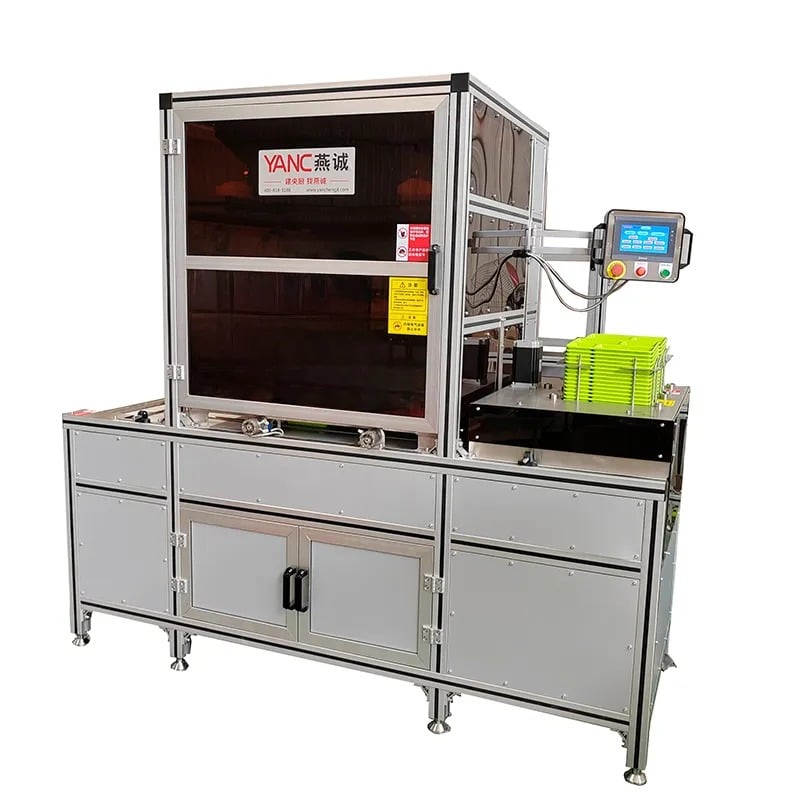
Modern industrial operations demand precision at every step of production, and the right food processing machine makes all the difference in achieving consistent quality and maximizing throughput. Rice processing represents one of the most critical applications where a food processing machine must balance speed, accuracy, and reliability to meet market demands. When your facility relies on a food processing machine designed specifically for rice portioning, you gain the ability to control weight consistency at levels that manual or older technologies simply cannot match. This precision-driven approach transforms how facilities manage grain processing, reduce waste, and maintain competitive advantage in an increasingly quality-focused market.
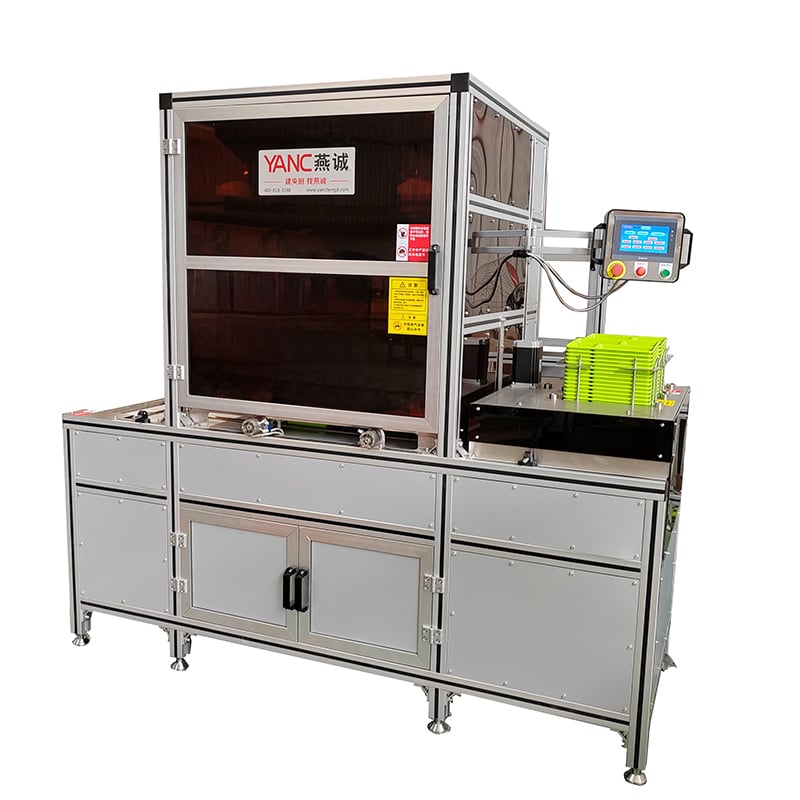
A food processing machine equipped with precision weight control represents a fundamental shift in how rice operations achieve their production targets. The integration of advanced sensor technology into a modern food processing machine allows operators to set exact weight parameters and maintain those specifications across thousands of portions without manual intervention. This capability addresses one of the largest pain points in rice packaging—inconsistent portions that lead to customer complaints, regulatory non-compliance, and unexpected waste. By investing in a dedicated food processing machine with weight precision controls, facilities unlock measurable improvements in product quality, operational efficiency, and bottom-line profitability.
Understanding Precision Weight Control in Food Processing
How Weight Precision Transforms Rice Operations
Weight consistency directly impacts both customer satisfaction and regulatory compliance in food processing. A food processing machine with precision weight control uses real-time feedback systems to continuously monitor and adjust portion sizes, ensuring that every package meets exact specifications. This level of accuracy eliminates the variance that occurs with mechanical systems or manual portioning, reducing product giveaway that can represent significant financial loss over a production year. When your food processing machine achieves precision within fractions of a gram, you establish a competitive advantage that customers recognize and regulations demand.
Core Technologies Behind Precision Control
Modern food processing machine systems incorporate load cell technology and digital control interfaces that work together to maintain weight accuracy throughout production shifts. The food processing machine continuously calibrates against target weights, making micro-adjustments to dispensing mechanisms without requiring operator intervention. This automated correction capability ensures that a food processing machine performs consistently regardless of ingredient density variations or environmental factors. The combination of hardware precision and software intelligence makes today's food processing machine far more reliable than older systems that relied on mechanical timing or operator judgment.
Operational Benefits of Advanced Food Processing Equipment
Reducing Waste and Maximizing Yield
Every gram of waste represents lost profit margin in food production, which is why a food processing machine designed for precision matters significantly to facility economics. When a food processing machine maintains exact weight targets, the cumulative effect across daily production runs reveals substantial material savings and improved yield percentages. Facilities report waste reduction of 5-15% after upgrading to a food processing machine with precision weight systems, numbers that translate directly to operational cost savings. The food processing machine essentially pays for itself through reduced material giveaway within the first 18-24 months of operation for most mid-to-large scale facilities.
Meeting Regulatory and Quality Standards
Regulatory bodies worldwide have tightened requirements around portion accuracy and weight declarations, making a compliant food processing machine essential for market access. A food processing machine with certified weight control systems generates documentation that satisfies food safety audits and export requirements across major markets. This compliance capability means your food processing machine serves not just operational efficiency but also risk management across your entire supply chain. Facilities operating a food processing machine with precision controls experience fewer regulatory inquiries and faster approval processes for new products or market expansions.
Implementation and Integration Considerations
Assessing Your Facility's Requirements
Selecting the right food processing machine requires careful evaluation of your facility's current throughput, space constraints, and product range. A food processing machine must integrate smoothly with existing conveyor systems and packaging infrastructure to deliver maximum value without requiring facility restructuring. The capacity of your food processing machine should match your peak production demands while maintaining the precision that justifies the investment. Consider whether your food processing machine needs to handle multiple product types or if single-product specialization aligns better with your operational model.
Training and Operational Excellence
Even the most advanced food processing machine requires proper operator training and maintenance protocols to sustain peak performance over extended periods. Your team should understand how a food processing machine's control systems work, how to monitor performance metrics, and when to schedule preventive maintenance activities. Regular calibration of a food processing machine ensures that weight accuracy remains consistent and that the system catches potential issues before they impact production. Facilities that establish strong operational protocols around their food processing machine typically see performance improvements beyond what the equipment alone would suggest.
FAQ
How does a food processing machine maintain weight consistency when ingredient properties vary?
Modern food processing machine systems use continuous feedback loops that monitor actual weight rather than relying on mechanical timing. A food processing machine adjusts dispensing rates in real time based on load cell readings, compensating automatically for changes in ingredient density, moisture content, or flow characteristics. This adaptive approach means your food processing machine delivers consistent results even when sourcing rice from different suppliers or dealing with seasonal variations in grain properties.
What production speed should I expect from a precision food processing machine?
A food processing machine designed for rice portioning typically processes between 800-2000 portions per hour depending on portion size and specific model specifications. The speed capacity of a food processing machine balances with its precision capabilities—higher-end models maintain accuracy even at maximum throughput rates. Your food processing machine's actual performance depends on portion size, product characteristics, and integration with downstream packaging equipment.
Can a food processing machine handle different grain types beyond rice?
Many modern food processing machine systems offer flexibility to work with various grains, legumes, and dry food products with minor adjustments to settings. A food processing machine requires calibration for different materials due to varying density and flow properties, but this typically takes minimal time. Some food processing machine operators serve multiple product lines by adjusting weight targets and dispensing parameters, though dedicated equipment often delivers superior results for specialized operations.