
 EN
EN
ហេតុអ្វីបានជាម៉ាស៊ីនលាងបន្លែដែលមានគោលបំណងជាក់លាក់មួយ គឺចាំបាច់សម្រាប់បន្លែដែលមានស្តំ និងស្លឹក
បញ្ហាប្រឈមនៃការប៉ន្ទុះ៖ ធូលី ថ្នាំសំលាប់សត្វល្អិត និងបាក់តេរី នៅក្នុងស្កាល៉ីអន សេលេរី និងស្បៃន័ប
ការសម្អាតបន្លែដែលមានស្តំ និងស្លឹក ដូចជា ស្កាល៉ីអ៊ុន សេលេរី និងស្បៃឆាម អាចបណ្តាលឱ្យមានបញ្ហាជាទីប៉ុនប៉ាន់ ដោយសារតែរាងរបស់វាស្មុគស្មាញ។ ដីអាចជាប់យ៉ាងជាប់នៅក្នុងស្រទាប់នៃស្កាល៉ីអ៊ុន សារធាតុគីមីសម្រាប់សម្លាប់សត្វល្អិតអាចជាប់យ៉ាងរឹងមាំនៅតាមចំណុចដែលមានភាពគ្រោះថ្នាក់នៅលើស្លឹកសេលេរី ហើយបាក់តេរីដូចជា E. coli អាចលាក់ខ្លួននៅក្នុងជ្រុះនៃស្លឹកស្បៃឆាម ដែលទឹកធម្មតាមិនអាចឆ្លងចូលបានទេ។ ការសិក្សាបានបង្ហាញថា ទោះបីជាបានលាងយ៉ាងល្អិតល្អន់នៅផ្ទះក៏ដោយ ក៏វាមិនអាចដកសារធាតុគីមីសម្រាប់សម្លាប់សត្វល្អិតចេញបានគ្រាន់តែប្រហែល ៣០% ប៉ុណ្ណោះ ដែលបានរកឃើញដោយ FDA កាលពីឆ្នាំមុន។ នេះមានន័យថា សារធាតុសេសសល់ច្រើននៅសល់ ដែលមិនល្អសម្រាប់សុខភាពរបស់មនុស្សទាំងអស់។ ទោះបីជាយើងមើលទៅកាន់បរិវេណប្រើប្រាស់ក្នុងវិស័យឧស្សាហកម្មក៏ដោយ បញ្ហានេះក៏អាចមានផលវិបាកធ្ងន់ធ្ងរជាងនេះទៅទៀត។ តាមទិន្នន័យរបស់ Ponemon Institute ឆ្នាំ ២០២៣ ការដកហូតផលិតផលមួយគ្រឿងចេញពីទីផ្សារ ជាទូទៅបណ្តាលឱ្យអាជីវកម្មខាតបង់ប្រហែល ៧៤០,០០០ ដុល្លារអាមេរិក។ ដូច្នេះ ការអនុវត្តការសម្អាតមិនល្អ មិនត្រឹមតែបტុសបាក់តេរីនៅសល់ប៉ុណ្ណោះទេ ប៉ុន្តែថែមទាំងបណ្តាលឱ្យក្រុមហ៊ុនខាតបង់ប្រាក់ច្រើន និងប៉ះពាល់ដល់កិត្តិនាមរបស់ពួកគេនៅក្នុងទីផ្សារផងដែរ។
| ប្រភេទនៃការប៉ន្ទុះ | ហានិភ័យនៅក្នុងបន្លែដែលមានស្តំ និងស្លឹក | ចំណុចចូលទូទៅ |
|---|---|---|
| ថ្មីៗ | ការស្រូបយកប្រព័ន្ធដែលមាននៅក្នុងដើមសេឡេរី | សំបកខាងក្រៅដែលមានលក្ខណៈជាស៊ីរី និងជ្រុងដែលមានសារធាតុសរសៃ |
| បាក់តេរីដែលមាននៅក្នុងដី | ជាប់គាំងនៅក្នុងស្រទាប់នៃស្កាល៉ីអ៊ុន | ដើមទទេ និងការគ្របគ្រងគ្នារវាងស្រទាប់ |
| ស្រទាប់បាក់តេរី | ជាប់នៅលើផ្ទៃស្បែកស្បែក | ជ្រុងនៃស្លឹក និងចំណុចភ្ជាប់រវាងដើម |
ហេតុអ្វីបានជាការស្រក់ដោយដៃមិនគ្រប់គ្រាន់—ជាពិសេសសម្រាប់ស្លឹកដែលប៉ះទាប និងដើមទទេ
ការសម្អាតបន្លែខ្លះដោយដៃគឺមិនមានប្រសិទ្ធភាពល្អទេ។ សម្ពាធទឹកមាននៅក្នុងការប៉ះប៉ៃស្លាប់ស្លឹកស្ពៃប៉ារ៉ែដែលពិតជាស្ដើងខ្លាំង ហើយការស្រោចផ្ទៃតែប៉ុណ្ណោះក៏មិនអាចយកសំរាមចេញពីក្នុងស្លឹកស្ពៃប៉ារ៉ែ ឬពីខ្សែស្លឹកសេឡេរីបានដែរ។ បន្លែបៃតងដូចជាស្លឹកសាឡាត់មានប្រយោជន៍ច្រើនពីការធ្វើចលនាបន្តិចៗជាជាងការស្រោចឬស្រោមដោយកម្លាំងខ្លាំងដើម្បីដោះភ្ជាប់សំរាមចេញពីផ្ទៃរបស់វា។ សេឡេរីក៏ត្រូវបានដំណាំដោយប្រុងប្រយ័ត្នផងដែរ ដើម្បីកុំឱ្យខូចនៅពេលសម្អាត។ យោងតាមការសិក្សាដែលបានបោះពុម្ពក្នុងទស្សនាវដ្តី Journal of Food Protection នៅឆ្នាំមុន នៅពេលគ្មានឧបករណ៍ពិសេសណាមួយប្រើប្រាស់ បាក់តេរីប្រហែល៤៥% នៅតែសល់នៅតាមចំណុចប្រសព្វនៃស្លឹកដែលពិបាកសម្អាតទាំងនេះ។ ការប៉ះប៉ៃនេះដែលនៅសល់បង្កបញ្ហាជាក់ស្តែងទាំងសម្រាប់បាយផ្ទះ និងរោងចក្រដំណាំអាហារផងដែរ។ នេះហើយជាទីកន្លែងដែលម៉ាស៊ីនសម្អាតបន្លែស្វ័យប្រវ័ត្តិមានប្រយោជន៍។ ម៉ាស៊ីនទាំងនេះបង្កើតចលនាទឹកដែលសមស្របប៉ុណ្ណោះ មានជំហានច្រើនដើម្បីជ្រើសសំរាមចេញ និងបំពេញស្តង់ដារ NSF សម្រាប់ភាពស្អាត ដែលការសម្អាតដោយដៃធម្មតាមិនអាចប្រៀបផ្ទះបានទេ។
របៀបដែលម៉ាស៊ីនសម្អាតបន្លែប្រភេទប៉ូព្វល៍ផ្តល់ការសម្អាតដែលទន់ភ្លឺ និងមានប្រសិទ្ធិភាព
បច្ចេកវិទ្យាសំខាន់៖ ការផ្តល់អុកស៊ីសែន ជំហាមទឹកសម្ពាធទាប និងការកំណត់ពេលវេលាប្រតិបត្តិការបាន
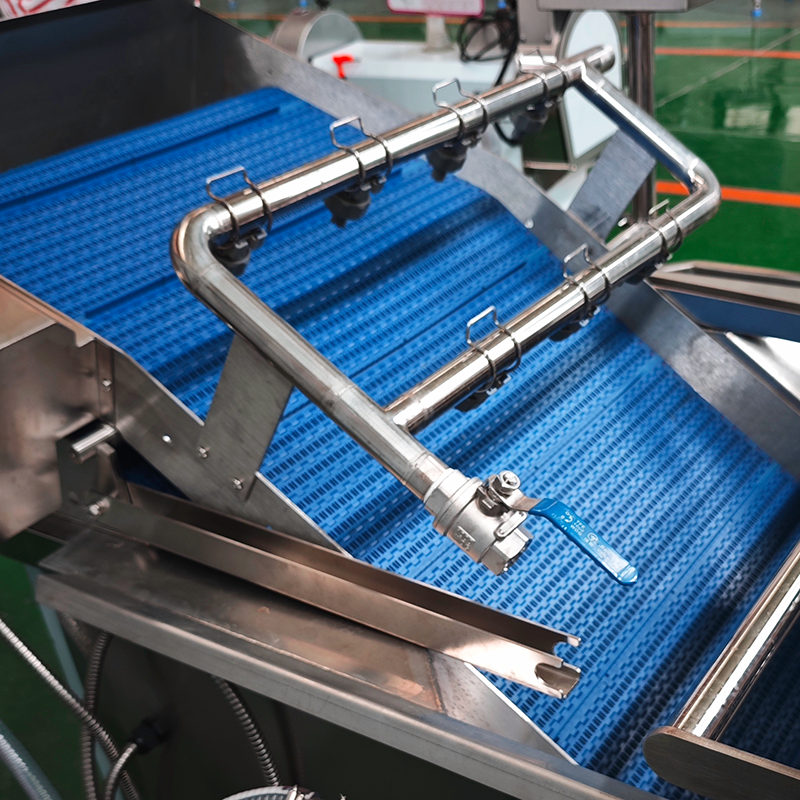
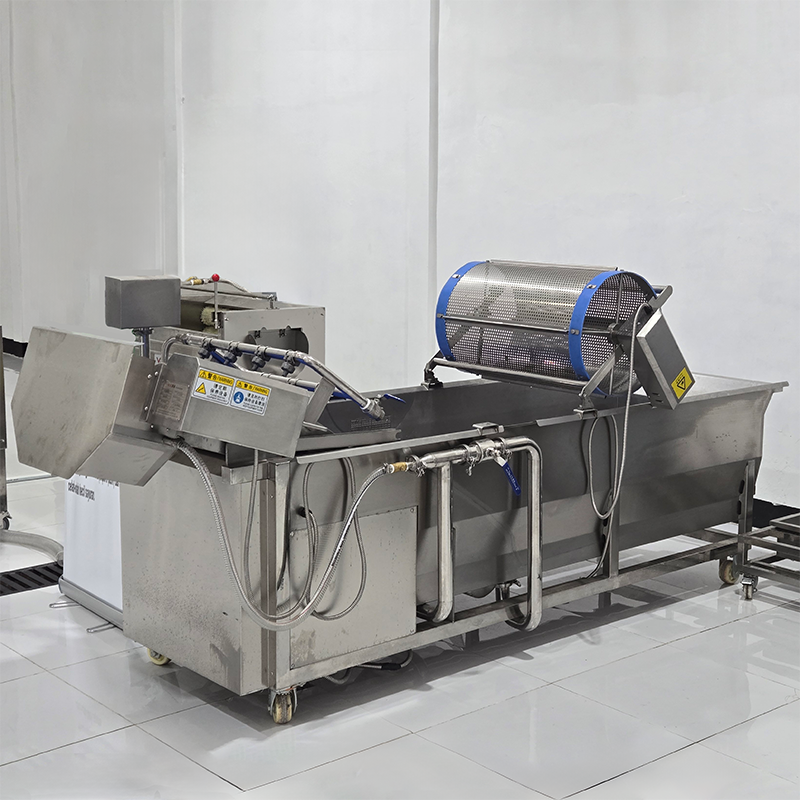
ម៉ាស៊ីនលាងបន្លែដែលប្រើបច្ចេកវិទ្យាប៉ូព្លូវ (bubble) ផ្សំគ្នាបាននូវវិធីសាស្ត្របីយ៉ាងខុសៗគ្នាដើម្បីធ្វើឱ្យបន្លែស្អាតដោយមិនធ្វើឱ្យវាមានរបួស។ ផ្នែកទីមួយដំណើរការដោយបង្កើតពពុះតូចៗជាច្រើន ដែលហោះហើរជុំវិញ ហើយចូលទៅក្នុងទីតាំងដែលពិបាកចូលដល់ ដូចជាចន្លោះស្លឹកស្ពៃក្រាស់ ខាងក្នុងស្លឹកសេឡេរី និងជ្រៅចូលទៅក្នុងស្លឹកស្ពៃជីន។ ពពុះទាំងនេះពិតប្រាកដថា លើកស្សាវៈអាកាស និងបាក់តេរីចេញពីបន្លែ ជាជាងការកោសចេញវា។ បន្ទាប់មកគឺជាប្រព័ន្ធបាញ់ទឹកដែលមានសារធាតុស្រាលៗ ដែលដំណើរការនៅក្រោម ១៥ ផោនក្នុងមួយអ៊ីញការ៉េ (PSI)។ វាបង្កើតចលនាដែលគ្រប់គ្រាន់តែប៉ុណ្ណោះដើម្បីដកសារធាតុគីមីសម្រាប់សម្លាប់សត្វល្អិត និងសារធាតុបាក់តេរីចេញពីស្លឹកដែលស្រាលៗ ដោយមិនប៉ះពាល់ដល់កោសិកាដំណាំ។ ហើយចុងក្រាយគឺប្រព័ន្ធអាលារ៉ែម (timer) ដែលអាចកំណត់ពេលវេលាបានចាប់ពី ៩០ វិនាទី រហូតដល់ ៥ នាទីទេ។ វាអនុញ្ញាតឱ្យបុគ្គលិកកំណត់កម្រិតភាពរឹងមាំនៃការលាង ដោយផ្អែកលើប្រភេទបន្លែដែលពួកគេកំពុងដំណាំ និងកម្រិតភាពក dirty របស់វា។ ស្លឹកបន្លែទន់ៗនឹងមិនឆៅហួលពេកក្នុងដំណាំនេះទេ ខណៈដែលស្លឹកឬស្មីដែលរឹងមាំជាងនេះនៅតែបានសម្អាតយ៉ាងទូទៅ។ ប្រសិនបើបានកំណត់ប្រព័ន្ធពពុះទាំងនេះឱ្យបានត្រឹមត្រូវ វាអាចដកសារធាតុគ្រោះថ្នាក់បានប្រហែល ៩៨% ដែលនៅលើផ្ទៃបន្លែ។ វាល្អជាងវិធីសាស្ត្រលាងដោយដៃភាគច្រើន ជាពិសេសនៅពេលដែលយើងប្រើប្រាស់បន្លែដែលមានរាងមិនធម្មតា។
ស្មារ្យការរចនា: ការពារស្លឹកដែលងាយប៉ះពាល់ (ស្ពៃបារាំង), ផ្នែកស្បែក (ស្ពៃក្រហម), និងស្មើរដែលមានសរសៃ (សេឡេរី)
អ្វីដែលធ្វើឱ្យប្រព័ន្ធសំអាតទាំងនេះខុសពីគេ មិនមែនគ្រាន់តែថាមពលអ៊ីដ្រ៉ូលីករបស់វាប៉ុណ្ណោះទេ ប៉ុន្តែថែមទាំងរបៀបដែលវាប្រើប្រាស់ជាមួយរចនាសម្ព័ន្ធរបស់បន្លែផ្សេងៗគ្នាផងដែរ។ ឧទាហរណ៍ សូមយកប្រអប់បណ្តាញ (mesh trays) ទាំងនេះមកពិចារណា ដែលទុកស្លឹកស្ពៃបារាំងដោយប៉ះទង្គិចយ៉ាងហោចបំផុត ដូច្នេះពពុះអាចឆ្លងកាត់រវាងស្លឹកទាំងនោះដោយមិនបណ្តាលឱ្យស្លឹកទាំងនោះប៉ះគ្នាឬសង្កត់គ្នា។ ចំពោះស្ពៃក្តោក មានផ្នែកខាងក្នុងដែលមានរាងកោងជាពិសេស ដើម្បីធានាថាវាមានការបង្វិលបានត្រឹមត្រូវក្នុងអំឡុងពេលសំអាត។ ផ្នែកទាំងនេះការពារស្លឹកស្ពៃក្តោកដែលមានស្បែកទន់ និងទទេនៅខាងក្នុង មិនឱ្យប៉ះទង្គិចប៉ះទាត់ ហើយក៏ជួយសម្អាតភាពក្រៅចេញពីផ្នែកខាងក្នុងផងដែរ។ ស្ពៃគ្រាប់ក៏ត្រូវបានដំណាំបែបផ្សេងគ្នាដែរ ដោយប្រើរ៉ូល័រដែលមានគ្រាប់ (ribbed rollers) ដែលធ្វើចលនាបានតាមបណ្តោយស្លឹកស្ពៃគ្រាប់ ដោយមិនប៉ះទង្គិចច្រើនទេ ដែលជួយរក្សាសូរសាច់ទាំងអស់ឱ្យនៅស្រស់ស្អាត។ គ្រប់ផ្នែកទាំងអស់នៃប្រព័ន្ធនេះ ប្រើប្រាស់សម្ភារៈដែលមានសុវត្ថិភាពសម្រាប់ទំនាក់ទំនងជាមួយអាហារ ហើយទឹកនៅតែត្រជាក់គ្រប់គ្រាន់ (ទាបជាង ៥០ អង្សាសេលស៊ីយ៉ុស) ដើម្បីមិនប៉ះពាល់ដល់កោសិការបស់បន្លែទាំងនេះ។ ការរៀបចំទាំងមូលនេះពិតជាឆ្លាតវៃណាស់ ម៉ាស៊ីនតែមួយគត់អាចដំណាំបានគ្រប់ប្រភេទ ចាប់ពីបន្លែស្លឹក ដល់បន្លែឫសដែលមានសាច់រឹង ទាំងអស់នេះដោយរក្សាបរិស្ថានឱ្យស្អាត និងសុវត្ថិភាពតាមស្តង់ដារឧស្សាហកម្ម។
សាកសមជាមួយបន្លែច្រើនប្រភេទ: ម៉ាស៊ីនលាងបន្លែមួយគ្រឿងសម្រាប់បន្លែប្រភេទផ្សេងៗគ្នា
ម៉ាស៊ីនលាងបន្លែសម័យទំនើបនៅសព្វថ្ងៃនេះដោះស្រាយបញ្ហារបស់ម៉ាស៊ីនបើកបរតែមួយគ្រឿងបែបចាស់ដោយអាចដំណាំបន្លែគ្រប់ប្រភេទក្នុងពេលតែមួយ — ឧទាហរណ៍ ស្លឹកស្ពៃប៉ះគ្រាប់ដែលអាចខូចបានយ៉ាងងាយ រួមជាមួយស្លឹកសេឡេរីដែលមានភាពរឹងមាំ និងស្លឹកស្កាល់យ៉ុនដែលមានរាងទទេហើយលំបាកក្នុងការលាង។ តើអ្វីដែលធ្វើឱ្យឧបករណ៍ទាំងនេះមានភាពអាចប្រើបានច្រើនបែប? មានគ្រឿងផ្សំសំខាន់៣យ៉ាងដែលធ្វើការរួមគ្នាក្រោយគ្រាប់។ ទីមួយ គឺការកំណត់កម្លាំងដែលអាចកែបាន ដែលអាចផ្លាស់ប្តូរបានយ៉ាងរលូនពីស្រះទឹកដែលទន់ភ្លាមៗ សមស្របសម្រាប់បន្លែស្លឹក ទៅដល់ស្រះទឹកដែលមានកម្លាំងខ្លាំង ដែលត្រូវការសម្រាប់ការលាងសំអាតដីចេញពីស្ករ និងការ៉ុត។ បន្ទាប់មក យើងមានប្រអប់ដែលអាចផ្លាស់ប្តូរបាន ដែលមានរន្ធដែលរចនាឡើងជាពិសេសសម្រាប់ការទប់ទល់នឹងរាងបន្លែគ្រប់ប្រភេទ ដោយមិនឱ្យបន្លែទាំងនោះខូចខាតក្នុងអំឡុងពេលលាង។ ហើយចុងក្រាយ គ្រឿងម៉ាស៊ីនខ្លះមានសេនសើរឆ្លាតវៃដែលអាចស្គាល់កម្រិតសារធាតុដែលបានដាក់ចូល ហើយបន្ទាប់មកកែសម្រួលទាំងរយៈពេលវេលានៃដំណាំ និងកម្លាំងស្រះទឹក អាស្រ័យលើប្រភេទបន្លែដែលមាននៅក្នុងម៉ាស៊ីន
បានឃើញថា ផ្នែកគ្រឿងបរិក្ខារសម្រាប់ធ្វើម្ហូបនៅក្នុងអាជីវកម្ម កាត់បន្ថយទំហំផ្ទៃដីប្រើប្រាស់បានប្រហែល ៤០% នៅពេលជំនួសម៉ាស៊ីនតែមួយគ្រឿងដែលមានគោលបំណងតែមួយ ចំនួនជាមួយនឹងម៉ាស៊ីនច្រើនមុខងារតែមួយគ្រឿង។ ក្នុងពេលដំណាំ ស្ថាប័នដែលដំណាំអាហារបានរាយការណ៍ថា បានបង្កើនប្រសិទ្ធភាពការផលិតបានប្រហែល ៣០% យោងតាមទស្សនាវដ្តី FoodTech Journal នៅឆ្នាំមុន។ ហើយភាពអាចប្រើបានច្រើនមុខងារបែបនេះ មិនមានកំណត់តែនៅក្នុងបរិបាកសាធារណៈប៉ុណ្ណោះទេ។ អ្នកធ្វើម្ហូបនៅផ្ទះ ឥឡូវនេះអាចទិញគ្រឿងបរិក្ខារតូចៗ និងមានប្រសិទ្ធភាពខ្ពស់ជាងមុន ដែលអាចដំណាំបានគ្រប់ប្រភេទ ចាប់ពីស្លឹកស្ពៃបារាំងសម្រាប់ទារកដែលអាចប៉ះបានយ៉ាងស្រាល រហូតដល់គ្រាប់ការ៉ុតទាំងមូល ដោយគ្មានការបាត់បង់ប្រសិទ្ធភាព ឬគ្មានការគ្រប់គ្រងសុវត្ថិភាពអាហារទេ។ ការជ្រើសរើសយុទ្ធសាស្ត្រ «មួយគ្រឿងសម្រាប់គ្រប់ការ» បែបនេះ អាចកាត់បន្ថយថ្លៃដើមដំបូង ធ្វើឱ្យការបណ្តុះបណ្តាលបុគ្គលិកផ្នែកធ្វើម្ហូបកាន់តែងាយស្រួល និងបង្កើតឱ្យមានវិធីសាស្ត្រសម្អាតដែលស្ថិតស្ថេរ មិនថាអ្វីក៏ដោយដែលកំពុងត្រូវបានដំណាំ នៅក្នុងប្រតិបត្តិការផ្សេងៗគ្នា។
ការប្រើប្រាស់ក្នុងបរិវេណពាណិជ្ជកម្ម និងការប្រើប្រាស់ក្នុងផ្ទះសំណាក់៖ ការជ្រើសរើសម៉ាស៊ីនសម្អាតបន្លែដែលសមស្រប
កត្តាសំខាន់ៗសម្រាប់ការសម្រេចចិត្ត៖ សមត្ថភាពផលិតកម្ម (Throughput) ការគោរពតាមស្តង់ដារ NSF ការថែទាំ និងផលប្រយោជន៍វិនិយោគ (ROI)
ការជ្រើសរើសម៉ាស៊ីនលាងបន្លែមិនមែនគ្រាន់តែផ្អែកលើភាពងាយស្រួលជាមុនសិនទេ—វាគឺអំពីទំហំនៃការប្រតិបត្តិការ និងច្បាប់ដែលអនុវត្ត។ ចូរយើងនិយាយអំពីលេខ៖ ម៉ាស៊ីនឧស្សាហកម្មអាចដំណាំបានចាប់ពី ៥០ ដល់ ២០០ គីឡូក្រាមក្នុងមួយម៉ោង ដែលធ្វើឱ្យវាក្លាយជាជម្រើសល្អបំផុតសម្រាប់បរិវេណបាយរបស់ភោជនីយដ្ឋានដែលមានអ្នកប្រើប្រាស់ច្រើន ឬសម្រាប់ប្រតិបត្តិការវេចខ្ចប់អាហារ។ ចំណែកឯម៉ាស៊ីនសម្រាប់ប្រើប្រាស់នៅផ្ទះវិញ ត្រូវបានរចនាឡើងសម្រាប់ការប្រើប្រាស់ក្នុងបរិមាណតូចៗ ជាទូទៅអាចដំណាំបានតែ ១ ដល់ ៥ គីឡូក្រាមក្នុងមួយដង។ ចំពោះអាជីវកម្មដែលប្រតិបត្តិការជាផ្លូវការ ការទទួលបានវិញ្ញាបនប័ត្រ NSF គឺមានសារៈសំខាន់ណាស់ ព្រោះវាបញ្ជាក់ថាវាបំពេញតាមគោលការណ៍ HACCP និងច្បាប់ស្តីពីសុវ័យវៈសុខភាព។ ម៉ាស៊ីនសម្រាប់ប្រើប្រាស់នៅផ្ទះមិនមានវិញ្ញាបនប័ត្រទាំងនេះទេ ព្រោះវាមិនបានរចនាឡើងសម្រាប់ប្រើក្នុងបរិវេណសេវាអាហារជាបណ្តាលពីអាជីវកម្មទេ។ ចំពោះការថែទាំ មានចន្លោះឆ្ងាយគ្នាខ្លាំងរវាងប្រព័ន្ធប្រើប្រាស់ក្នុងអាជីវកម្ម និងប្រព័ន្ធប្រើប្រាស់នៅផ្ទះ។ ម៉ាស៊ីនលាងសម្រាប់អាជីវកម្មត្រូវការកត់ត្រាការសម្អាតប្រចាំថ្ងៃ និងការថែទាំដោយអ្នកជំនាញរាល់បីខែ ដើម្បីរក្សាបាននូវស្តង់ដារ និងប្រតិបត្តិការបានត្រឹមត្រូវ។ ចំណែកឯម៉ាស៊ីនសម្រាប់ប្រើប្រាស់នៅផ្ទះវិញ គ្រាន់តែត្រូវការស្រះទឹកបន្ទាប់ពីប្រើប្រាស់ម្តងៗ និងសម្អាតតម្រងជាប្រចាំពេលខ្លះៗ។ ចំពោះផលប្រយោជន៍ដែលទទួលបានវិញ ភោជនីយដ្ឋានជាទូទៅឃើញថាវាបានទទួលបានប្រាក់វិនិយោគវិញក្នុងរយៈពេល ៦ ដល់ ១៨ ខែ ដោយសារការកាត់បន្ថយការចំណាយលើកម្លាំងពលកម្ម ការបាត់បង់ផលិតផលតិចជាងមុន និងការជៀសវាងការហៅត្រឡប់ផលិតផលដែលមានតម្លៃខ្ពស់។ ចំណែកឯអ្នកចម្អិនអាហារនៅផ្ទះវិញ ពួកគេចាប់អារម្មណ៍ជាងគេលើការសន្សំពេល ការទទួលបានលទ្ធផលដែលស្ថិតស្ថេរ និងមានភាពជាក់ចិត្តថាបន្លែរបស់ពួកគេស្អាត ដោយគ្មានការបារម្ភអំពីសូចនាករហិរញ្ញវត្ថុដែលស្មុគស្មាញ។
| ត្រឹមត្រូវ | ម៉ាស៊ីនពាណិជ្ជកម្ម | ម៉ាស៊ីនសម្រាប់ផ្ទះ |
|---|---|---|
| ទំហំការផ្ញើរ | ៥០–២០០ គីឡូក្រាម/ម៉ោង | ១–៥ គីឡូក្រាម/វដ្ត |
| ស្របតាមស្តង់ដារ NSF | ចាំបាច់ (ស្របតាម HACCP) | មិនចាំបាច់ |
| ការរក្សាសំណើ | កត់ត្រាប្រចាំថ្ងៃ + ការថែទាំរៀងរាល់បួនខែ | សំអាតដោយទឹកបន្ទាប់ពីប្រើប្រាស់ |
| ផ្តោតលើផលប៉ះពាល់វិនិយោគ (ROI) | សន្សំសំចំណាយកម្លាំងពលកម្ម និងការខូចខាត (៦–១៨ ខែ) | ភាពងាយស្រួលជាជាងការសងត្រឡប់ |
សំណួរដែលត្រូវបានសួរប្រចាំ
អ្វីគឺជាអត្ថប្រយោជន៍ចម្បងៗនៃការប្រើប្រាស់ម៉ាស៊ីនសម្អាតបន្លែប្រភេទពពុះ?
ម៉ាស៊ីនសម្អាតបន្លែប្រភេទពពុះអាចសម្អាតបន្លែបានយ៉ាងមានប្រសិទ្ធភាពដោយគ្មានការធ្វើឱ្យខូច។ វាប្រើប្រាស់បច្បេទការផ្តល់អុកស៊ីសែន ស្ទឹងទឹកសម្ពាធទាប និងការកំណត់ពេលវេលាបរិវេណបានយ៉ាងសមស្រប ដើម្បីលើកស្ពូនសំណល់ និងបាក់តេរីឡើង ហើយដកសំណល់គ្រោះថ្នាក់បានប្រហែល ៩៨% ដោយគ្មានការប៉ះពាល់ដល់កោសិកាដំណាំ។
ម៉ាស៊ីនសម្អាតបន្លែប្រភេទពាណិជ្ជកម្មខុសពីម៉ាស៊ីនសម្អាតបន្លែប្រភេទគ្រួសារយ៉ាងដូចម្តេច?
ម៉ាស៊ីនសម្អាតបន្លែប្រភេទពាណិជ្ជកម្មមានសមត្ថភាពដំណាំបានច្រើន មានសញ្ញាប័ត្រអនុលោមតាមស្តង់ដារ NSF ហើយត្រូវការការថែទាំច្រើនជាង ដើម្បីគ្រប់គ្រងប្រតិបត្តិការដែលមានទំហំធំ។ ចំណែកឯម៉ាស៊ីនសម្អាតបន្លែប្រភេទគ្រួសារវិញ ត្រូវបានរចនាឡើងសម្រាប់ការដំណាំបរិមាណតិច និងភាពងាយស្រួល ដោយគ្មានវិញ្ញាបនប័ត្រសុខាភិបាលតឹងរ៉ឹង។
អ្វីខ្លះគឺជាកត្តាដែលអាជីវកម្មគួរពិចារណាកាលណាជ្រើសរើសម៉ាស៊ីនសម្អាតបន្លែ?
អាជីវកម្មគួរវាយតម្លៃលើសមត្ថភាពដំណាំបាន ការអនុលោមតាមស្តង់ដារ NSF ភាពងាយស្រួលក្នុងការថែទាំ និងផលប៉ះពាល់សរុប (ROI) ដែលអាចរំពឹងទុកបាន ដោយផ្អែកលើទំហំប្រតិបត្តិការ និងគោលដៅប្រសិទ្ធភាពរបស់ពួកគេ។
ទំព័រ ដើម
- ហេតុអ្វីបានជាម៉ាស៊ីនលាងបន្លែដែលមានគោលបំណងជាក់លាក់មួយ គឺចាំបាច់សម្រាប់បន្លែដែលមានស្តំ និងស្លឹក
- របៀបដែលម៉ាស៊ីនសម្អាតបន្លែប្រភេទប៉ូព្វល៍ផ្តល់ការសម្អាតដែលទន់ភ្លឺ និងមានប្រសិទ្ធិភាព
- សាកសមជាមួយបន្លែច្រើនប្រភេទ: ម៉ាស៊ីនលាងបន្លែមួយគ្រឿងសម្រាប់បន្លែប្រភេទផ្សេងៗគ្នា
- ការប្រើប្រាស់ក្នុងបរិវេណពាណិជ្ជកម្ម និងការប្រើប្រាស់ក្នុងផ្ទះសំណាក់៖ ការជ្រើសរើសម៉ាស៊ីនសម្អាតបន្លែដែលសមស្រប
- សំណួរដែលត្រូវបានសួរប្រចាំ