
 EN
EN
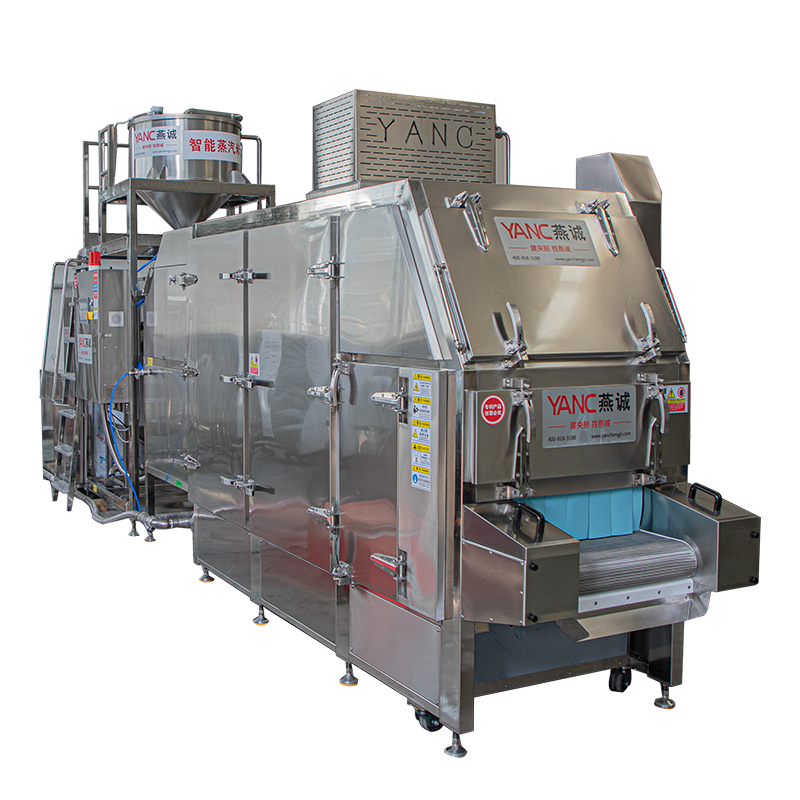
The Evolution and Core Technology of the Automatic Rice Cooker Machine
From Basic Timers to Fuzzy Logic: The Rise of Sensor-Driven Automation
Automatic rice cooker machines have come a long way since their early days when they were just basic timers that turned off after a set period. Older versions used fixed heating schedules which often left rice either too dry or too wet depending on what was being cooked. Today's smart models actually have sensors inside that check moisture content and track when the starch starts to break down during cooking. These modern devices adjust heat levels and steam pressure throughout the cooking process based on what they sense happening inside. According to recent studies published in FoodTech Journal last year, this smarter approach cuts down on those frustrating undercooked or burnt rice situations by around 32%. The latest technology even includes fuzzy logic processors that can tell the difference between different types of rice grains like short grain for sushi versus long grain basmati rice. This means the cooker knows exactly how much water each variety needs for perfect texture every time.
Smart Features Reshaping Commercial Kitchens: IoT and Remote Monitoring Trends
Many commercial kitchens now use smart rice cookers connected to the internet for managing large volumes of meals. These cloud linked appliances notify staff when the rice hits just the right texture, let managers schedule cooking times from anywhere, and keep tabs on ingredients using built in scales. According to a recent study looking at over 100 hotel kitchens last year, around two thirds saw less food going to waste after connecting their rice cookers to software that predicts what needs ordering next. Pretty impressive stuff. And get this some advanced models actually tweak how they steam rice depending on where they're located, so hotels in mountain areas still serve perfectly cooked rice without any issues from elevation differences.
Key Technological Breakthroughs in Automatic Rice Cooker Machines: A Timeline
- 1980s: Introduction of microprocessor controls for basic temperature regulation
- 2005: First commercial use of fuzzy logic in Japanese-made rice cookers
- 2018: IoT integration enabling multi-device coordination in buffet-style service
-
2022: Adoption of vertical steaming chambers doubling heat distribution efficiency
These innovations have transformed the automatic rice cooker machine from a standalone appliance into a central node in commercial kitchen ecosystems, cutting average cooking labor costs by 41% since 2018 (Culinary Tech Review).
Advanced Vertical Steaming Functionality and Its Culinary Advantages
How Vertical Steaming Enhances Rice Texture and Nutrient Retention
Vertical steaming ensures uniform heat distribution, allowing grains to cook evenly without overcooking or drying. This method preserves structural integrity while retaining up to 15% more water-soluble nutrients like thiamine compared to traditional boiling (Culinary Science Institute, 2023). The vertical steam circulation penetrates every layer of rice, mimicking professional-grade techniques for fluffy, restaurant-quality results.
Multi-Use Capabilities: Integrating Steaming for Diverse Menu Applications
Modern vertical steaming lines support simultaneous cooking of proteins, vegetables, and grains, enabling kitchens to expand menu offerings without additional equipment. For example, a 10-liter commercial model can steam salmon fillets atop rice baskets, reducing meal prep time by 25% in high-volume settings. This versatility makes automatic rice cooker machines indispensable for hotels and catering services requiring scalable, space-efficient solutions.
Performance Comparison: Vertical vs. Horizontal Steaming Lines in Commercial Use
Vertical systems reduce energy waste by 18% in back-to-back cooking cycles, outperforming horizontal models in kitchens prioritizing throughput and consistency.
Commercial Capacity and Sizing for High-Volume Food Service Operations
Matching Cooking Capacity to Demand: Rice Output in Hotels and Catering
Modern commercial kitchens require automatic rice cooker machines capable of producing 10–40 kg of rice per hour to meet banquet-style demands. Larger units designed for convention centers and hotel chains offer 20–100 cup capacities, allowing chefs to scale output during peak dining periods without compromising grain consistency.
Manufacturers design stainless steel inner pots to handle at least 50 cooking cycles each day, which is really important for places like cruise ship kitchens and college dining halls where they serve over 800 meals during one shift alone. Some newer models come equipped with smart load sensors that tweak water amounts automatically when recipes need to be doubled up. According to Food Service Tech Report, this helps cut down on wasted food from either undercooked or overcooked batches by about 17 percent on average. The improved accuracy means kitchen staff can match their equipment specifications better to what they actually need in terms of production volume. This saves money because it stops them from buying too small or too big equipment based on guesswork rather than real usage patterns.
Durability, Build Quality, and Material Standards in Automatic Rice Cooker Machines
Stainless Steel vs. Plastic Components: Longevity and Hygiene in Commercial Models
Commercial grade automatic rice cookers mostly rely on stainless steel construction because it lasts longer and meets strict food safety requirements. According to recent industry data from Juyoufoodmachine (2023), stainless steel parts can handle about two to three times as many cooking cycles compared to plastic parts when put through regular restaurant level usage. The material's smooth surface doesn't absorb bacteria either, which helps restaurants stay compliant with those NSF/ANSI 3 cleaning standards set by the National Sanitation Foundation back in 2023. Some budget conscious manufacturers do still incorporate BPA free plastics though. These plastic components tend to warp when exposed to heat over 200 degrees Fahrenheit for extended periods and often develop tiny scratches where germs can hide. Restaurants using such equipment face real risks here since these issues contribute to roughly one out of every five food safety problems reported across hotels and dining establishments according to FDA records from last year.
Engineering for Continuous Use: Structural Integrity Under Heavy Workloads
For places that cook rice all day long, automatic rice cooker machines need to handle at least 16 hours straight without breaking down. The frames are made from thick stainless steel, usually over 2.5mm thick, so they don't bend out of shape after so many heating sessions. Inside, those fancy multi-layer pots help spread out the heat better across the surface area, which stops them from getting warped over time. Most commercial versions come with special rubber feet that absorb shocks and heavy duty hinges that can take around 100 thousand lid openings before giving way. According to testing done last year in hotel kitchens, these upgraded designs actually cut down on breakdowns by almost two thirds when compared to regular home models. That makes sense since restaurants cant afford their rice cookers quitting on them mid service.
Operational Efficiency and Labor Cost Reduction Through Smart Automation
Sensor-Based Monitoring for Consistent, Hands-Free Cooking Results
The latest automatic rice cookers now come equipped with infrared sensors and smart algorithms that take all the guesswork out of cooking rice. These advanced systems keep track of how moist the grains are getting and watch them expand as they cook, then tweak the steam pressure and heat accordingly. Restaurants have seen amazing results from this technology, with studies showing it cuts down on burnt or overcooked rice by almost nine out of ten cases in professional kitchens (Culinary Tech Journal reported this back in 2023). When cooks let these machines handle everything from start to finish, they get consistently good rice every single batch. Plus, staff members find they save about thirteen hours each week that would otherwise be spent manually checking and adjusting rice pots, money and time that can go toward other important kitchen duties instead.
How Automation Lowers Labor Dependency in Large-Scale Food Preparation
According to the Manufacturing Efficiency Report from 2024, smart rice cookers can cut down meal prep time by around 34% when compared with old fashioned manual methods. These modern appliances come loaded with various cooking options like steaming, slow cooking, and quick rice settings all controlled through easy to use digital panels. What this means in practice is that just one kitchen worker can now handle between six and eight machines at once something that used to need three people on hand. The real money saver comes from looking at the bigger picture though. Institutions that provide meals for large groups have seen their labor expenses drop by approximately 22% per meal thanks to this kind of scalable technology implementation.
FAQ Section
What are the key technological advancements in automatic rice cookers?
Key advancements include the use of fuzzy logic, IoT integration, and vertical steaming chambers, allowing for precise cooking, remote management, and efficient steam distribution.
How do smart rice cookers benefit commercial kitchens?
They enhance efficiency by allowing remote monitoring and scheduling, reducing food waste, and adapting to environmental factors without compromising rice quality.
What is the advantage of vertical steaming in rice cookers?
Vertical steaming offers even heat distribution and retains more nutrients, providing professional-grade cooking results while supporting multi-dish preparation.
Why is stainless steel preferred over plastic in commercial rice cookers?
Stainless steel provides longevity and hygiene benefits, as it's resistant to bacteria and can endure more cooking cycles, which is essential for busy kitchens.
How does automation impact labor costs in food service operations?
Automation reduces labor dependency by streamlining cooking processes, allowing fewer workers to manage more machines, and ultimately reducing labor-related costs.
Table of Contents
- The Evolution and Core Technology of the Automatic Rice Cooker Machine
- Advanced Vertical Steaming Functionality and Its Culinary Advantages
- Commercial Capacity and Sizing for High-Volume Food Service Operations
- Durability, Build Quality, and Material Standards in Automatic Rice Cooker Machines
- Operational Efficiency and Labor Cost Reduction Through Smart Automation
-
FAQ Section
- What are the key technological advancements in automatic rice cookers?
- How do smart rice cookers benefit commercial kitchens?
- What is the advantage of vertical steaming in rice cookers?
- Why is stainless steel preferred over plastic in commercial rice cookers?
- How does automation impact labor costs in food service operations?