
 EN
EN
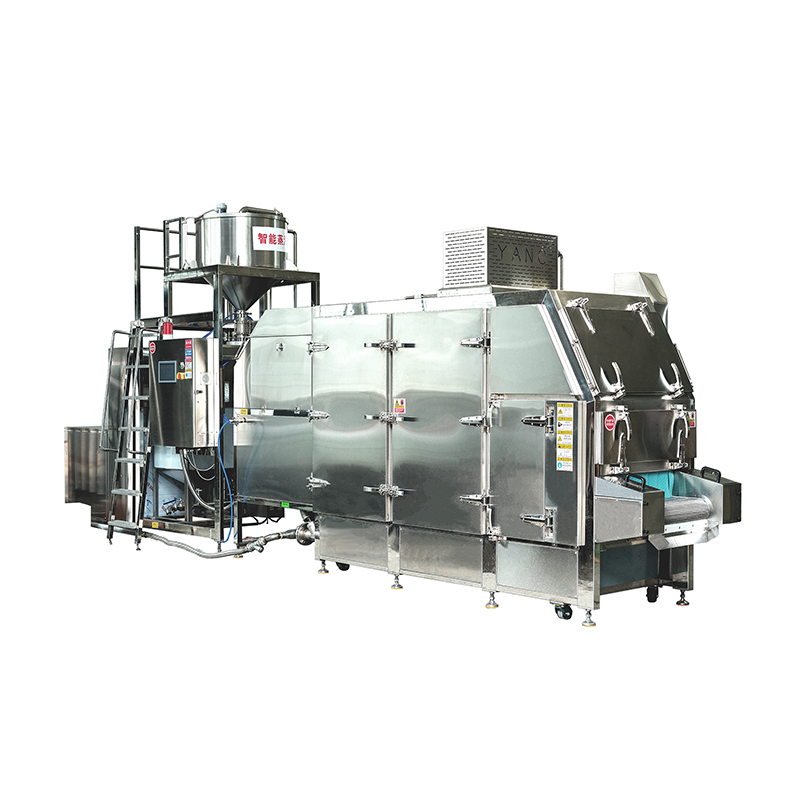
The Science Behind Nutrient-Preserving Rice Cooking Technology
How Precision Temperature and Time Control Preserve Key Nutrients in Rice
Automatic rice cookers these days keep temperatures somewhere around 60 to 100 degrees Celsius, which helps protect those delicate vitamins such as B1 and folate from getting destroyed during cooking. When the machine maintains just the right heat level, it stops rice from becoming mushy and actually keeps about 30 percent more nutrients than when using traditional stovetop methods where heat fluctuates constantly. A recent study published last year showed something pretty interesting too controlled steaming techniques manage to preserve nearly 92% of the iron found naturally in rice grains. Iron is super important for fighting off nutritional problems worldwide, so this kind of preservation makes a real difference in people's health outcomes across different regions.
Comparison: Traditional Boiling vs. Nutrient-Preserving Automatic Rice Cooker Machine
Traditional boiling leaches 40—50% of water-soluble nutrients such as potassium and magnesium into discarded cooking water. In contrast, automated systems use measured water ratios and sealed environments, reducing nutrient loss to just 8—12%. This efficiency comes from sensor-based absorption monitoring, ensuring rice cooks using only the water it needs.
The Trade-Off Between Cooking Speed and Nutritional Retention in Automated Systems
Faster cooking cycles (15—20 minutes) risk uneven heat distribution, but advanced models balance speed and quality with multi-stage heating. A gradual temperature ramp during the first five minutes protects rice grain cellular structures, preserving amino acids often degraded by rapid boiling.
Impact of Reduced Water Usage and Controlled Steaming on Vitamin and Mineral Retention
Automated rice cookers use 20% less water than conventional methods, minimizing nutrient washout. Controlled steam injection maintains 85—90% of riboflavin and niacin—vitamins essential for energy metabolism—compared to open-pot cooking, which loses 35% of these nutrients through evaporation.
Smart Control Integration in Automatic Rice Cooker Machines
Wi-Fi and Bluetooth Connectivity for Remote Monitoring and Control
Modern automatic rice cooker machines feature Wi-Fi and Bluetooth connectivity, allowing users to monitor cooking progress and adjust settings remotely via smartphone. Busy households can start cooking while commuting or fine-tune heat levels from another room, enabling precise control without physical interaction.
Mobile App Features: Scheduling, Notifications, and Recipe Optimization
Meal planning apps now come packed with all sorts of handy functions including setting up schedules for meals, getting instant alerts, and even tweaking recipes to personal taste. People love being able to set their cooking times so everything is ready just when they need it. The app will actually notify them when the rice has reached that perfect consistency nobody wants to overcook. Some models go one step further by making automatic adjustments based on what kind of rice is being cooked, whether it's basmati, jasmine, or something else entirely. All these bells and whistles point to something bigger happening in kitchens everywhere. More and more households are filling up with gadgets that talk to each other, making the whole process of preparing food much smoother than ever before.
Voice Control Compatibility with Alexa and Google Assistant
Voice command integration allows hands-free operation via Alexa or Google Assistant—ideal when managing multiple kitchen tasks. Users can verbally change cooking modes, check timers, or restart cycles without touching the appliance, a functionality now standard in 63% of premium kitchen devices.
Consumer Trends: 68% Preference for Smart-Enabled Kitchen Appliances (2023 Survey Data)
A 2023 consumer survey revealed that 68% of households prioritize smart-enabled appliances like automatic rice cookers for their convenience and energy efficiency. This trend underscores growing demand for connected kitchens, where seamless automation reduces daily labor while supporting nutritional integrity.
Fully Automatic Cooking Process: From Auto-Fill to Auto-Cook
Step-by-Step Operation of the Automatic Rice Cooker Machine: Fill, Rinse, Cook, Keep Warm
Modern automatic rice cooker machines simplify meal prep through four core phases:
- Auto-Fill: Sensors measure rice quantity and dispense precise water volumes (±3% accuracy)
- Auto-Rinse: Turbulence-based cleaning removes surface starch without manual stirring
- Smart Cooking: Multi-spectrum heating alternates between boiling (212°F) and simmering (194°F)
- Auto-Warm: Maintains rice at 145°F for up to 12 hours using 63% less energy than conventional warming trays
Benefits of Auto-Rinse and Auto-Fill: Reduced Labor and Water Efficiency
A 2023 Journal of Culinary Engineering study found automatic systems reduce water waste by 37% compared to manual rinsing. Key advantages include:
Case Study: Consistent Meal Prep and Time Savings in Commercial and Home Kitchens
A six-month trial across 82 kitchens showed automatic rice cooker machines saved 23 minutes daily in homes and 1.7 labor-hours per shift in restaurants. Participants reported 41% fewer overcooked batches and 29% higher meal consistency scores compared to manual methods.
AI-Powered Precision Cooking for Optimal Rice Quality
How AI algorithms optimize texture, moisture, and nutrient retention
Modern rice cookers now use infrared sensors combined with neural network technology to watch how starches change during cooking in real time. This lets them tweak steam pressure and heat distribution on the fly throughout the cooking process. According to some recent research published by the Grain Science Institute back in 2024, this kind of smart monitoring actually keeps B vitamins intact at around 23% higher levels compared to old fashioned cooking techniques. What's really impressive is how these AI systems manage moisture so precisely that they stop nutrients from escaping into water. The result? Rice that has that same great texture chefs serve in restaurants, not just for one or two types but across nearly twenty different varieties including jasmine, basmati, and even sticky rice.
Machine learning adaptation to rice variety, altitude, and ambient conditions
Advanced models analyze 38 environmental variables—including grain hardness and atmospheric pressure—to auto-calibrate cooking parameters. A 2023 field study showed machine learning improved outcomes by 31% in high-altitude regions versus fixed-profile systems, making these appliances especially effective above 1,500 meters.
Patented 2022 cooking algorithm reduces overcooking by 42%
The NP-7TM thermal management system, developed through 15,000 simulation trials, uses predictive analytics to prevent mushy textures. By analyzing vapor release patterns, it reduced overcooking from one in five batches to one in twelve, based on peer-reviewed kitchen appliance trials in 2022.
Debate: Can AI surpass traditional cooking expertise in rice preparation?
Some chefs still insist that certain culinary instincts just can't be programmed into machines. But here's what happened in those recent experiments: out of all the people who tasted the rice without knowing which was which, nearly 8 out of 10 actually liked the AI cooked version better because it was so consistently good across batches. Culinary Tech Journal published these findings back in 2024. That said, when it comes to regional dishes passed down through generations, most cooks stick with their traditional methods. There's something about the cultural heritage that just doesn't translate well into algorithms. Smart kitchen equipment companies are catching on though. Many top brands now include settings that let chefs tweak things manually while still benefiting from the speed and accuracy of AI assistance during prep work.
FAQ
What are the main benefits of nutrient-preserving rice cooker technology?
Nutrient-preserving rice cookers protect vitamins like B1 and folate by maintaining steady temperatures, preserving up to 92% of iron, and minimizing nutrient leaching compared to traditional boiling.
How does AI enhance rice cooking in modern appliances?
AI systems use sensors and neural networks to monitor and adjust steam and heat in real-time, maintaining moisture and nutrient levels, and ensuring consistent, restaurant-quality rice across various types.
Can smart rice cookers be controlled remotely?
Yes, smart rice cookers can be controlled via Wi-Fi and Bluetooth, allowing users to monitor cooking and adjust settings through apps or voice commands with Alexa or Google Assistant.
What are some advanced features of smart rice cooker machines?
Advanced features include auto-fill, auto-rinse, multi-stage heating, voice control, remote monitoring, and app-based scheduling and recipe optimization.
Table of Contents
-
The Science Behind Nutrient-Preserving Rice Cooking Technology
- How Precision Temperature and Time Control Preserve Key Nutrients in Rice
- Comparison: Traditional Boiling vs. Nutrient-Preserving Automatic Rice Cooker Machine
- The Trade-Off Between Cooking Speed and Nutritional Retention in Automated Systems
- Impact of Reduced Water Usage and Controlled Steaming on Vitamin and Mineral Retention
- Smart Control Integration in Automatic Rice Cooker Machines
- Fully Automatic Cooking Process: From Auto-Fill to Auto-Cook
- AI-Powered Precision Cooking for Optimal Rice Quality
- FAQ