
 EN
EN
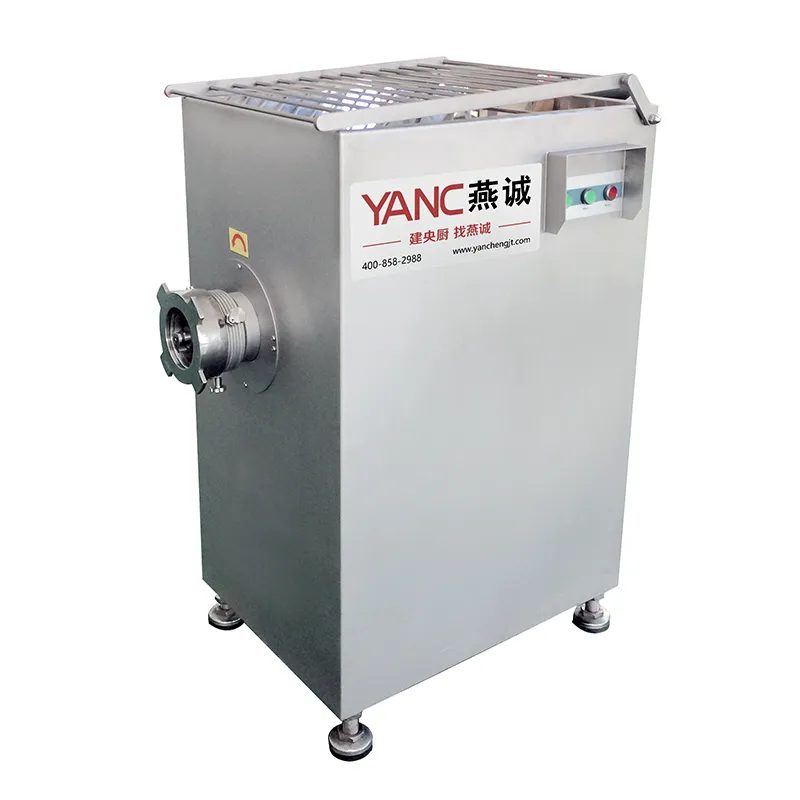
A commercial meat grinder with high precision cutting performance represents a critical investment for food processing facilities, butcher shops, and catering operations seeking to optimize production efficiency and product quality. The right meat grinder combines cutting-edge engineering, durable construction, and precision mechanisms to ensure consistent results across high-volume production cycles. Understanding the key performance characteristics and operational advantages of a professional-grade meat grinder helps decision-makers select equipment that aligns with their production demands and quality standards.
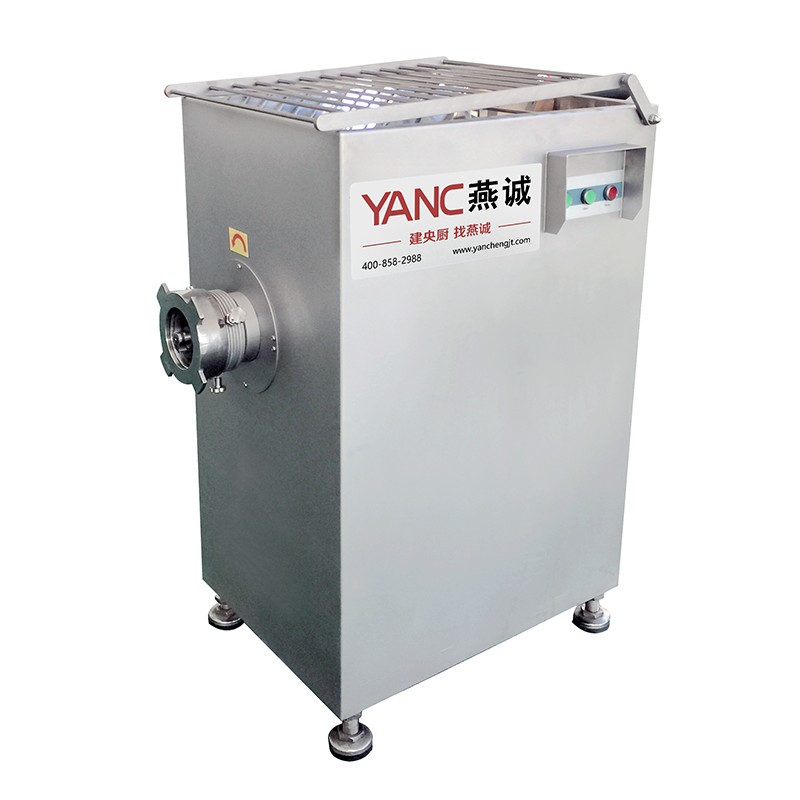
The performance of a meat grinder directly impacts production output, product consistency, and operational costs. A high precision cutting meat grinder minimizes product waste, reduces processing time, and delivers uniform particle sizes that enhance product appeal and cooking characteristics. Industrial food processors recognize that investing in a commercial meat grinder equipped with advanced cutting technology generates measurable returns through improved yield rates and reduced labor requirements per batch.
Precision Cutting Mechanisms in Commercial Meat Grinders
How High Precision Cutting Works
A meat grinder achieves precision cutting through synchronized blade and die configurations that process raw and frozen meat consistently. The cutting mechanism in a professional meat grinder operates by forcing meat through a hardened steel die while rotating blades create a shearing action that produces uniform particles. This dual-action approach ensures that each meat grinder produces ground product with minimal smearing, oxidation, or thermal degradation, which preserves color, moisture, and nutritional content essential for premium food products.
Die Plate Selection and Versatility
The die plate selection determines the final particle size and texture output of any meat grinder. A commercial meat grinder typically operates with multiple die options ranging from fine (2–3 millimeters) for sausage production to coarse (8–10 millimeters) for ground burger formulations. Quality meat grinder manufacturers design die plates with precision-engineered apertures that maintain dimensional tolerances even under sustained pressure, ensuring that every batch from your meat grinder meets specification consistently. Interchangeable die systems allow a single meat grinder to serve multiple production protocols without equipment downtime.
Performance Advantages for Production Operations
Throughput and Efficiency Gains
A high-capacity commercial meat grinder significantly accelerates production cycles compared to manual or undersized equipment. Industrial meat grinder models designed for continuous duty can process 60–200 kilograms per hour, depending on motor power and product specifications, transforming production economics for mid-to-large-scale operations. The meat grinder speed and consistency reduce labor hours per unit produced, allowing facilities to redirect staffing toward quality control and packaging functions that add greater value to finished products.
Product Quality and Consumer Appeal
Consumers recognize and reward product quality resulting from precision processing. A meat grinder that maintains low operating temperatures prevents fat oxidation, which would otherwise cause rancid flavors and discoloration that damage brand reputation. Professional meat grinder operators understand that uniform texture and color consistency achieved through precision cutting enhance customer perception and repeat purchase rates. This quality advantage becomes particularly valuable in premium product segments where consumers are willing to pay price premiums for superior processing standards.
Durability and Maintenance Economics
Industrial-grade commercial meat grinders are engineered for extended service life even under demanding production schedules. Heavy-duty construction, precision-ground components, and corrosion-resistant materials ensure that a quality meat grinder maintains cutting performance over thousands of operational hours. The meat grinder maintenance requirements remain straightforward when operators follow manufacturer protocols for cleaning, blade inspection, and periodic component replacement, reducing unplanned downtime that would disrupt production schedules and revenue flows.
Selection and Application Considerations
Matching Equipment to Production Scale
Selecting the appropriate commercial meat grinder capacity requires analysis of peak production demands and operational constraints. A meat grinder sized too small creates bottlenecks and operator frustration, while oversized equipment wastes energy and occupies excessive floor space. Established food processors determine meat grinder requirements by calculating daily volume needs, accounting for product mix variations between seasons, and adding capacity margins for growth. The right meat grinder sizing balances throughput capability against facility infrastructure, utility capacity, and capital investment budgets.
Regulatory Compliance and Safety Standards
Commercial food processing facilities must select a meat grinder that meets or exceeds applicable food safety regulations and equipment standards. International standards governing food processing equipment specify sanitation requirements, material compatibility, and safety guard configurations that a certified meat grinder must incorporate. Professional meat grinder designs include removable components for thorough cleaning, food-grade materials throughout product-contact surfaces, and emergency stops that comply with workplace safety directives. Operators should verify that their meat grinder meets relevant certifications before committing to purchase.
Frozen Product Processing Capability
Specialized commercial meat grinders designed for frozen or partially frozen input expand processing flexibility and supply chain options. A commercial meat grinder rated for frozen processing features reinforced motor assemblies, enhanced blade systems, and die designs that handle product at temperatures below zero degrees Celsius without jamming or quality compromise. This capability allows operations to purchase frozen inventory when pricing is favorable, reducing working capital requirements while a specialized meat grinder maintains consistent output quality regardless of input state.
FAQ
What factors determine if a meat grinder meets high precision cutting standards?
A meat grinder achieves high precision cutting through synchronized blade and die design, maintained dimensional tolerances across components, consistent motor power delivery, and thermal management systems that prevent product degradation. The precision meat grinder produces uniform particle sizes with minimal variation, maintains product color and moisture content, and demonstrates reproducible results across production runs. Manufacturers validate that a commercial meat grinder meets precision specifications through rigorous testing protocols and quality certifications from recognized standards bodies.
How does a commercial meat grinder improve food safety compared to manual processing?
A commercial meat grinder reduces contamination risks through enclosed design that minimizes product exposure to environmental pathogens, reduced handling time that limits human contact with food surfaces, and stainless steel construction that prevents bacterial harboring in crevices. The meat grinder design incorporates sanitation-friendly features including removable dies and blades for thorough cleaning between product batches. Automated processing also reduces variability from human error, ensuring consistent microbial risk profiles across production cycles.
Can a single meat grinder handle multiple product types and sizes?
Yes, a versatile commercial meat grinder equipped with interchangeable die plates and adjustable feed systems accommodates various meat types from beef to poultry to pork, as well as different finished product specifications. A quality meat grinder transitions between fine grinding for sausage production and coarse grinding for burger formulations through simple die and blade changes that typically require only minutes. This flexibility allows operations to maximize equipment utilization and investment return by processing diverse product specifications on a single meat grinder platform.