
 EN
EN
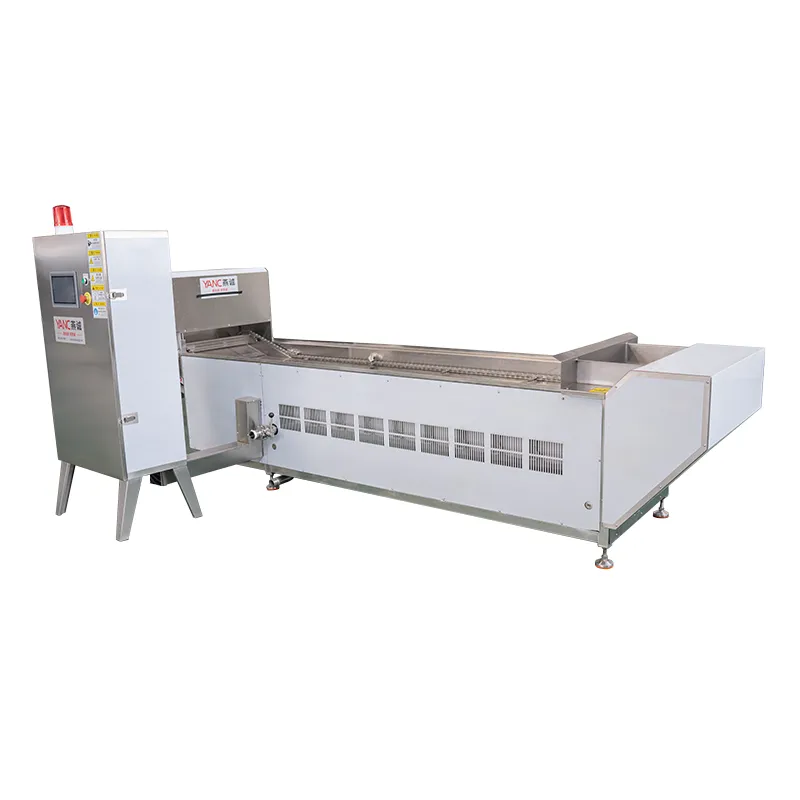
In modern food processing and commercial kitchen environments, hygiene is not optional — it is a regulatory and operational necessity. A vegetable washing machine equipped with UV sterilization represents a significant advancement over conventional rinsing methods. These systems are engineered to remove pesticide residues, surface bacteria, soil particles, and other biological contaminants that manual washing consistently fails to eliminate. As food safety standards tighten across global markets, investing in the right vegetable washing machine is a decision that directly protects consumers, staff, and brand reputation.
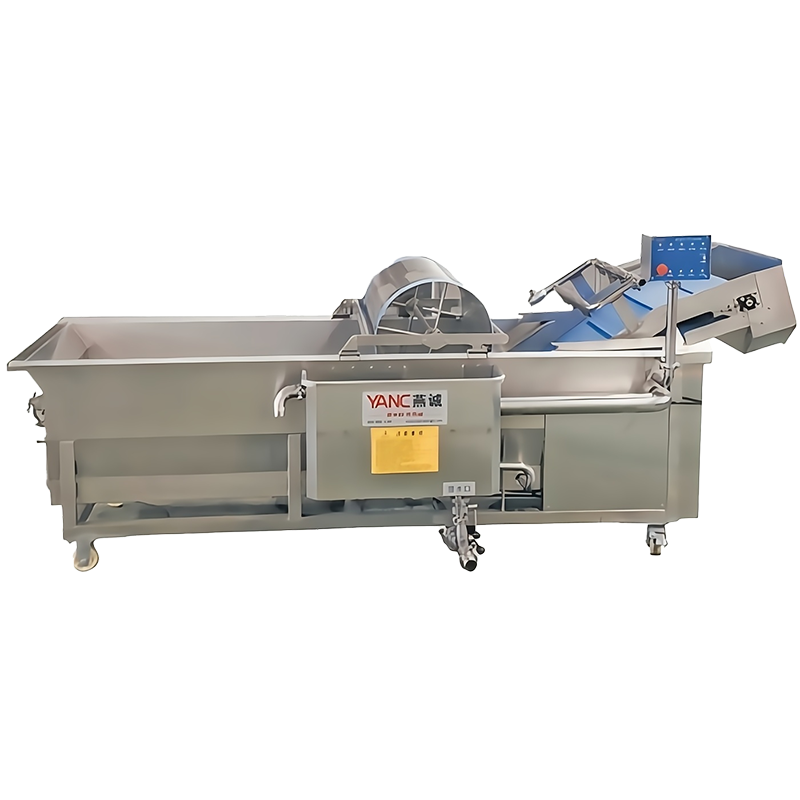
The integration of UV sterilization into a vegetable washing machine marks a meaningful shift in how food businesses approach produce hygiene. Unlike basic water-spray systems, an advanced vegetable washing machine combines mechanical agitation, ozone treatment, and UV light exposure in a single, continuous workflow. This multi-stage approach ensures that each piece of produce exits the machine cleaner and microbiologically safer than it entered. For food service operators, central kitchens, and fresh-cut produce facilities, understanding how this technology works — and why it matters — is essential for making informed equipment decisions.
How UV Sterilization Works Inside a Vegetable Washing Machine
The Role of UV Light in Pathogen Elimination
A vegetable washing machine with UV sterilization uses shortwave ultraviolet light, typically in the UV-C spectrum, to disrupt the DNA structure of bacteria, mold spores, and viruses on the surface of produce. When microorganisms are exposed to UV-C light at the correct intensity and duration, they lose the ability to reproduce and cause infection. This process is chemical-free, leaves no residue on the vegetables, and does not alter the taste, color, or texture of the produce. For operations that prioritize clean-label output, this feature of the vegetable washing machine is especially valuable.
Combining UV with Water Agitation and Ozone
The most effective vegetable washing machine designs do not rely on UV sterilization alone. They pair UV exposure with high-pressure water circulation and ozone infusion to achieve thorough decontamination across all surface areas. Ozone dissolves pesticide residues and oxidizes organic contaminants, while the mechanical turbulence dislodges soil and debris. The UV stage then targets surviving microbial threats before the produce exits through the drainage system. This layered approach inside a well-designed vegetable washing machine reduces pathogen counts far more effectively than any single-method system.
Key Food Safety Benefits of an Advanced Vegetable Washing Machine
Reducing Pesticide Residue and Microbial Load
One of the most critical functions of a vegetable washing machine in a professional food environment is the reduction of pesticide residue. Conventionally grown produce often carries trace chemical residues that standard tap water rinsing cannot fully remove. An advanced vegetable washing machine uses ozone-enriched water and physical agitation to break down these residues at the molecular level. At the same time, the UV sterilization module within the vegetable washing machine dramatically reduces surface microbial load, including common pathogens such as E. coli, Salmonella, and Listeria. This dual action makes the vegetable washing machine a critical control point in any HACCP-compliant food operation.
Supporting Compliance with Food Safety Regulations
Food businesses operating under national or international food safety frameworks must demonstrate consistent hygiene practices at every stage of produce handling. A vegetable washing machine with documented UV sterilization capability provides verifiable evidence that produce has been processed through a scientifically validated decontamination step. This supports audit readiness, reduces the risk of non-compliance penalties, and builds trust with institutional buyers, retailers, and end consumers. Operators who integrate a vegetable washing machine into their standard workflow can also reduce reliance on manual washing labor, which is a frequent source of cross-contamination in high-volume kitchens.
Selecting the Right Vegetable Washing Machine for Your Operation
Throughput Capacity and Operational Fit
Choosing a vegetable washing machine requires careful alignment between machine capacity and daily production volume. A vegetable washing machine designed for a central kitchen processing hundreds of kilograms of leafy greens per day will have different specifications than one used in a mid-size restaurant. Key parameters to evaluate include the washing chamber volume, conveyor speed, water circulation rate, and UV lamp intensity rating. A well-specified vegetable washing machine prevents processing bottlenecks while maintaining consistent decontamination performance across every batch. Undersizing the vegetable washing machine creates pressure on staff to rush cycles, which compromises hygiene outcomes.
Construction Standards and Maintenance Requirements
In any food production environment, the vegetable washing machine must be constructed from food-grade stainless steel to resist corrosion, prevent bacterial harbor points, and survive daily high-pressure cleaning. The UV lamps inside the vegetable washing machine require periodic replacement to maintain sterilization efficacy, and operators should confirm that replacement components are readily available. A vegetable washing machine with accessible internal components and a straightforward cleaning protocol reduces downtime and keeps the machine performing at its rated specification. Operational teams should also be trained on recognizing when UV output has degraded, as a vegetable washing machine with an aging UV lamp may no longer deliver sufficient sterilization intensity.
FAQ
How often should the UV lamp in a vegetable washing machine be replaced?
Most UV lamps used in a commercial vegetable washing machine have an effective lifespan of approximately 8,000 to 10,000 operating hours. After this point, UV output drops below the threshold needed for reliable sterilization. Operators should track lamp usage hours and replace the component proactively rather than waiting for visible failure. Maintaining UV lamp integrity is essential to ensuring the vegetable washing machine continues to deliver food-safe results.
Can a vegetable washing machine handle all types of produce equally?
Most advanced vegetable washing machine models are designed to process a wide range of produce types, including leafy greens, root vegetables, fruits, and herbs. However, delicate produce such as soft berries may require adjusted water pressure settings to prevent bruising. Operators should review the vegetable washing machine specifications for adjustable agitation controls, which allow the system to be tuned for different produce categories without compromising cleaning or sterilization performance.
Is a vegetable washing machine with UV sterilization suitable for small food businesses?
Yes, a vegetable washing machine with UV sterilization is available in configurations suitable for smaller food operations, not just large-scale processors. Compact vegetable washing machine models are designed for lower throughput environments while still delivering professional-grade decontamination. For small businesses supplying catering companies, meal-kit services, or food retail, investing in a vegetable washing machine with UV capability can serve as a meaningful product differentiation point and a genuine food safety upgrade.