
 EN
EN
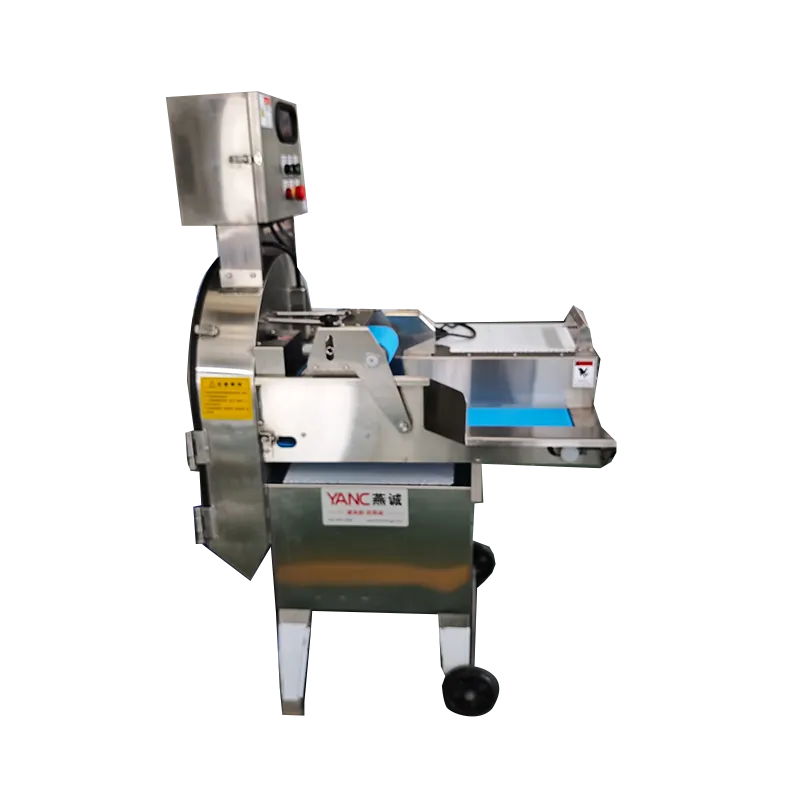
Why Uniform Slicing Directly Impacts Cooking Performance and Presentation About Vegetable Slicer
Even cooking outcomes through consistent surface-area-to-volume ratios
Getting those veggies sliced just right makes all the difference when cooking. Uniform slices let heat penetrate evenly throughout, so we don't end up with raw centers or burnt edges on our roasted potatoes or stir fries. The science behind this is pretty interesting too. When the surface area matches the volume properly, that magical Maillard reaction happens across the whole piece, giving food better flavor and color development. Some research indicates that thin, regular slices can actually cook about 40% quicker than random chunks, which saves time in busy kitchens. No matter how skilled someone is with a knife, they just cant achieve the same level of precision as modern adjustable vegetable slicers that measure down to micrometers. And lets not forget about consistency in cooking results. Even thickness means oil gets absorbed uniformly during frying, and steam cooks everything to the same al dente texture. This reduces food waste since fewer portions get tossed because theyre overcooked or underdone.
Enhanced flavor integration and textural harmony in composed dishes
When vegetables have consistent shapes and sizes, they create a more balanced eating experience overall. Take salads and slaws for instance. When all the pieces are about the same thickness, dressing spreads evenly across everything instead of collecting in some spots while others get neglected. Studies on plate presentation actually show that Caprese stacks made with perfectly sliced tomatoes stand up much better structurally compared to uneven ones. The difference? Around 30% improvement in how well they hold together during service. For ratatouille lovers, those neat little overlapping circles cook through at the same time which really brings out the flavors in the dish. Textural contrast matters too, especially in something like Vietnamese banh mi sandwiches. Carrots and daikons cut into proper matchsticks stay crunchy against the softer meats inside. Mess around with random sized cuts though and things go wrong fast. Delicate greens start wilting before their time or pickles just don't penetrate properly throughout the vegetable slices. That's why many chefs swear by good quality vegetable slicers these days. They turn ordinary produce into uniform components that work together nicely on the plate most of the time anyway.
Precision Engineering in Modern Vegetable Slicers for Reliable Consistency
Adjustable thickness settings with calibrated locking mechanisms
Today's vegetable slicers deliver consistent results thanks to adjustable dials that let users set slice thickness in tiny increments as small as 0.1 mm. These slicers come equipped with locking systems that stop blades from drifting while working, which keeps each piece looking pretty much the same size and shape. No more those frustrating lopsided slices that cook at different rates. Professional kitchens really care about this stuff too. According to a recent report from Culinary Efficiency in 2023, around 92 percent of chefs noticed less food going to waste once they started using these consistent cutting tools. The best models also feature industrial strength detents that give users a physical feel when adjusting settings. This means kitchen staff can keep slicing away for hours without constantly checking and readjusting everything.

High-carbon stainless steel blades with laser-honed edges for long-term uniformity
Blades made from high carbon stainless steel stand up better against rust and keep their sharpness for around 15,000 working hours which is roughly three times longer than regular carbon steel lasts. When manufacturers use laser honing techniques, they create cutting edges where molecules line up just right, cutting down on friction by nearly half. This matters because it means less damage happens at the cell level when slicing through delicate items like fruits and vegetables. Tomatoes don't get bruised so easily, leafy greens remain intact instead of getting shredded, and food surfaces stay consistent enough to soak up marinades and dressings properly, making all those fancy restaurant dishes taste even better. Plus, these blades hold onto their nano crystalline edges after several sharpenings, so chefs can count on consistent results day after day without constantly having to resharpen tools.
Electric vs. Manual Vegetable Slicers: Measuring Consistency Across Use Cases
Electric and manual vegetable slicers meet different kitchen needs with varying slice consistency results. The electric ones have motors driving the blades plus those adjustable thickness settings that keep variation within about half a millimeter, even when slicing tons of veggies all day long. No need to worry about tired hands affecting the cuts anymore. That's why they're so important for big events or busy restaurant kitchens where every batch has to look exactly the same. Manual slicers tell another story though. They work fine enough for smaller operations like food trucks or temporary market stalls, but only if someone actually knows how to use them properly and stays focused. Looking at industry numbers, electric models can crank out around 30 to 40 slices each minute compared to just 15 to 20 for manual cutting. Makes sense why volume matters so much here. When businesses need consistent output across large quantities, electric slicers deliver that reliability. For places with lighter workloads, manual options still make sense because they're easier to move around and don't require electricity.
Proven Value: How Professional Kitchens Leverage Vegetable Slicers for Efficiency and Quality Control
Case study: Reduced prep time and zero-reject slicing in a Michelin-starred brigade
One of Paris' top-rated restaurants recently brought in these fancy vegetable slicers for every station, and the results were impressive. Prep time dropped around 80%, and they stopped wasting about 15% of their veggies that used to get tossed because of uneven cuts according to last year's Culinary Efficiency Report. The machines have adjustable settings from 0.2 to 15 mm thick, so now all those thin julienne strips look exactly the same for garnishes, and the root vegetables slice into perfectly even sheets for their famous consommé. The kitchen staff found they had about 38 extra hours each week after switching, which they put towards perfecting how plates looked. Those sharp blades keep working consistently through roughly 300 kilograms of vegetables weekly. Overall, this change cut down on wasted food costing them around $74k a year. For high-end kitchens where presentation matters as much as taste, these industrial slicers really make a difference in both how good things look and how efficiently they run.
FAQ
Why is uniform slicing important for cooking? Uniform slicing ensures even cooking and better flavor and texture by allowing heat to penetrate evenly.
How do modern vegetable slicers improve consistency? They feature adjustable thickness settings and locking mechanisms, providing precise slicing for consistent results.
What are the advantages of electric vegetable slicers? Electric slicers offer speed and consistency, ideal for high-volume kitchens, while manual slicers are more suitable for smaller operations.
Table of Contents
- Why Uniform Slicing Directly Impacts Cooking Performance and Presentation About Vegetable Slicer
- Precision Engineering in Modern Vegetable Slicers for Reliable Consistency
- Electric vs. Manual Vegetable Slicers: Measuring Consistency Across Use Cases
- Proven Value: How Professional Kitchens Leverage Vegetable Slicers for Efficiency and Quality Control