
 EN
EN
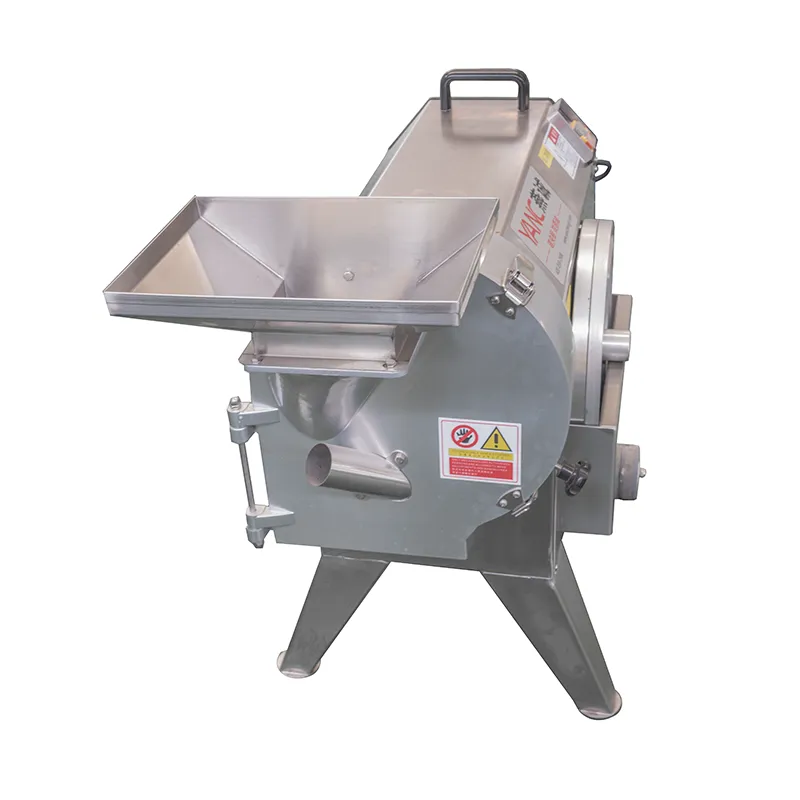
In any kitchen—whether at home or in a bustling commercial setting—having a reliable vegetable slicer can transform food preparation. A tool that is both durable and easy to operate saves time, reduces effort, and ensures consistent results. But as kitchen demands scale up, manual slicing quickly becomes a bottleneck. That’s where automated food processing equipment steps in, revolutionizing how we handle ingredients. In this article, we’ll explore how a simple vegetable slicer fits into the broader ecosystem of automated food processing equipment, and dive into related machinery such as commercial vegetable cutting machines, industrial meat slicers and dicers, frozen meat dicing machine pricing, and whole vegetable washing and drying production lines.
The rise of automated food processing equipment over recent years is no accident. Businesses need consistency, speed, and hygiene—qualities that manual methods simply cannot guarantee at scale. While a basic vegetable slicer is an excellent starting point for light use, growing operations require more robust solutions. A commercial vegetable cutting machine, for instance, can process large volumes with precision, offering various cut styles like julienne, dice, or shred. Built to withstand continuous operation, these machines are staples in restaurants, catering companies, and food processing plants. When we talk about automated food processing equipment, we refer to a wide array of devices that automate slicing, dicing, washing, drying, and more—all aimed at boosting productivity while cutting labor costs.
At the heart of many vegetable processing lines lies the commercial vegetable cutting machine. It handles hundreds of kilograms per hour, delivering uniform cuts essential for both presentation and even cooking. Safety features and easy-to-clean designs are standard, aligning perfectly with the durable and easy-to-operate philosophy. But vegetables aren’t the only ingredients that need processing. Meat products demand equally efficient solutions, which is where an industrial meat slicer and dicer comes into play. These heavy-duty machines handle raw or cooked meats, producing consistent slices or cubes for sausages, stews, ready meals, and more. Integrating meat processing into automated food processing equipment lines creates seamless workflows from raw material to finished product.
Frozen ingredients present another challenge. For businesses working with frozen meat, a dedicated frozen meat dicing machine is indispensable. However, the frozen meat dicing machine price can vary widely based on capacity, build quality, and automation level. When considering such an investment, it’s crucial to look beyond the initial cost and evaluate total ownership expenses, including maintenance and energy consumption. High-quality automated food processing equipment may come with a higher upfront price tag, but its durability and efficiency often lead to long-term savings. The frozen meat dicing machine price is a key factor for small to medium enterprises, yet opting for reliable machinery pays dividends over time.
Before any cutting or dicing can happen, produce must be thoroughly cleaned. A whole vegetable washing and drying production line is an integral part of automated food processing equipment for facilities handling large quantities of fresh vegetables. This line typically includes pre-washing, soaking, brushing, rinsing, and drying stages. The drying step is particularly critical—removing excess moisture extends shelf life and inhibits bacterial growth. By incorporating a whole vegetable washing and drying production line, businesses ensure their ingredients are pristine and ready for further processing, meeting hygiene standards and enhancing final product quality.
Diving Deeper into Commercial Vegetable Cutting Machines
A commercial vegetable cutting machine is engineered for high-volume precision. With interchangeable blades, it can slice, dice, shred, or grate a wide variety of vegetables. For a pizzeria needing uniform toppings or a soup kitchen requiring massive quantities of diced veggies, a reliable commercial vegetable cutting machine is a game-changer. Many such machines are designed to integrate seamlessly with other automated food processing equipment, such as conveyors and washing systems, creating an efficient production line. When investing in automated food processing equipment, prioritize durability: look for stainless steel bodies and food-grade components that resist corrosion and are easy to sanitize. Modern automated food processing equipment also incorporates safety features like automatic shut-off when covers are opened, protecting operators.
The Critical Role of Industrial Meat Slicers and Dicers
In meat processing facilities, an industrial meat slicer and dicer is essential for portion control and consistency. Whether it’s slicing bacon, dicing ham for salads, or cubing beef for stews, these machines save countless labor hours. A typical industrial meat slicer and dicer features a powerful motor, adjustable blade speed, and thickness controls. Within the realm of automated food processing equipment, meat slicers and dicers are often paired with conveyors and packaging lines to create fully automated workflows. Hygiene is paramount, so these machines are designed for easy disassembly and cleaning. When evaluating automated food processing equipment for meat, consider its ability to handle different textures—from soft cooked meats to firm raw cuts. Some advanced industrial meat slicer and dicer models even incorporate bone detection and removal systems.
Understanding Frozen Meat Dicing Machine Prices
For operations that process frozen ingredients, a frozen meat dicing machine is transformative. It can cut through blocks of frozen meat at temperatures as low as -20°C, producing uniform cubes for further processing. Yet the frozen meat dicing machine price can be a hurdle. Prices range from a few thousand dollars for smaller units to tens of thousands for industrial-grade models. The frozen meat dicing machine price depends on factors like cutting capacity, blade material (often hardened tool steel), motor power, and automation level. Some manufacturers of automated food processing equipment offer financing or leasing options to make these machines more accessible. When comparing frozen meat dicing machine price, also factor in the cost of spare parts and maintenance. A higher initial investment in reliable automated food processing equipment typically translates to lower operating costs over time.
The Importance of Whole Vegetable Washing and Drying Production Lines
Before vegetables can be sliced or diced, they must be thoroughly cleaned. A whole vegetable washing and drying production line automates this process, removing dirt, pesticides, and microbes. This line generally includes a pre-wash tank with bubbling action, a brush washer for root vegetables, a sanitizing spray, and a high-velocity air dryer. Integrating a whole vegetable washing and drying production line with other automated food processing equipment creates a seamless farm-to-fork solution. After washing and drying, vegetables can be automatically conveyed to a commercial vegetable cutting machine for further processing. This integration reduces manual handling, minimizes contamination risks, and boosts overall efficiency. When designing a facility with automated food processing equipment, consider the space required for a whole vegetable washing and drying production line and ensure compatibility with existing machinery.
Key Benefits of Automated Food Processing Equipment
Adopting automated food processing equipment delivers benefits far beyond labor savings. Consistency in product size and quality enhances customer satisfaction and brand reputation. Moreover, automated food processing equipment reduces waste by optimizing cuts and minimizing trimmings. Food safety improves through automated cleaning cycles and reduced human contact. For businesses aiming to scale, automated food processing equipment provides the capacity to meet growing demand without a proportional increase in labor. Modern automated food processing equipment often includes data collection capabilities, allowing managers to monitor production metrics and identify bottlenecks. As technology advances, we see more automated food processing equipment incorporating IoT connectivity and predictive maintenance alerts.
Case Study: A Restaurant Chain’s Journey to Automation
Consider a regional restaurant chain that once relied on manual slicing for its daily operations. Rising labor costs and inconsistent portion sizes prompted a shift. They invested in automated food processing equipment: a commercial vegetable cutting machine for their prep kitchen, an industrial meat slicer and dicer for meat, and a whole vegetable washing and drying production line for fresh produce. They also evaluated the frozen meat dicing machine price and added a unit to process frozen meat for soups and stews. Within six months, prep time dropped by 40%, food waste decreased by 15%, and product quality became uniform across all locations. The investment in automated food processing equipment paid for itself within two years, demonstrating the tangible value of modern machinery.
Choosing the Right Automated Food Processing Equipment
Selecting automated food processing equipment starts with assessing your production needs: volume, product types, and available space. Research reputable manufacturers specializing in automated food processing equipment and request demos or samples. For a commercial vegetable cutting machine, test it with your specific vegetables to ensure it handles them well. For an industrial meat slicer and dicer, check ease of cleaning and blade sharpening. When considering frozen meat dicing machine price, get quotes from multiple suppliers and factor in warranty and service contracts. For a whole vegetable washing and drying production line, verify it meets food safety standards and can handle your peak throughput. Remember, the best automated food processing equipment isn’t necessarily the cheapest—it’s the one that offers the best return on investment for your operation.
Future Trends in Automated Food Processing
The future of automated food processing equipment is bright, with advancements in robotics, artificial intelligence, and sustainable design. We may see robotic arms that handle delicate produce, AI-powered vision systems that sort and grade items, and energy-efficient machines that reduce environmental impact. The commercial vegetable cutting machine of tomorrow might automatically adjust cut settings based on each vegetable’s size and shape. Similarly, an industrial meat slicer and dicer could use sensors to detect bone and adjust cutting paths. As for frozen meat dicing machine price, increased competition and technological improvements may make these machines more affordable. The integration of whole lines—from whole vegetable washing and drying production line to packaging—will become even more seamless and intelligent.
Conclusion
In summary, whether you start with a simple durable and easy-to-operate vegetable slicer or invest in a full suite of automated food processing equipment, the key is to choose machines that meet your needs and are built to last. The range of options—from commercial vegetable cutting machines to industrial meat slicers and dicers, considerations around frozen meat dicing machine price, and implementation of a whole vegetable washing and drying production line—all contribute to a more efficient and profitable food business. By embracing automated food processing equipment, you position your operation for growth, consistency, and success in a competitive market.