
 EN
EN
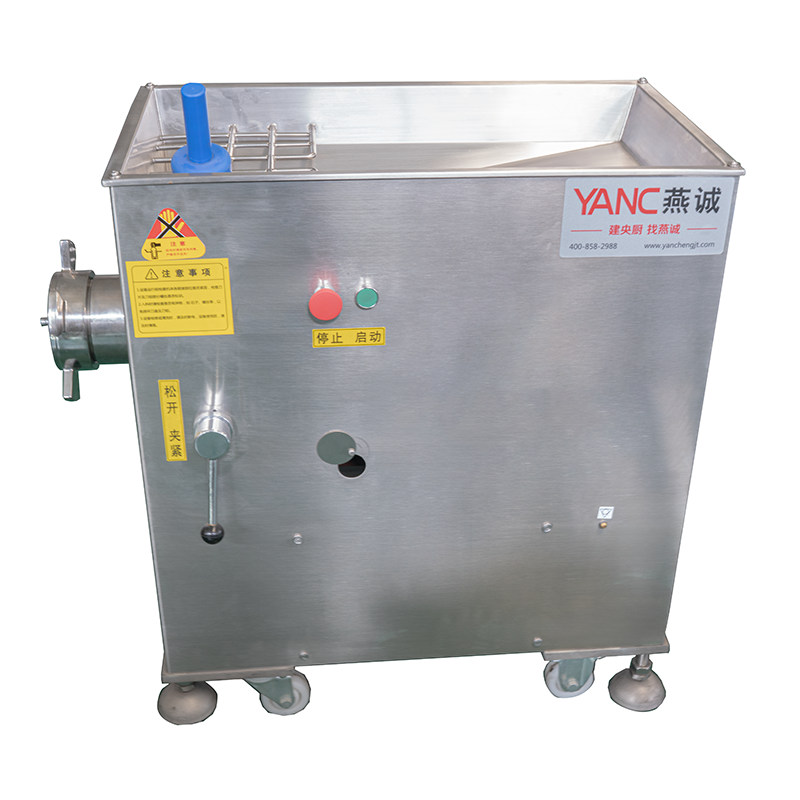
Why Stainless Steel Is Essential in Food-Grade Meat Processing Equipment
The non reactive nature of stainless steel makes it practically the best option when it comes to meat grinders dealing with raw proteins. The surface finish of these materials is incredibly smooth (around Ra 0.8 micrometers or better), which stops bacteria from getting stuck in microscopic crevices. This matters a lot for food safety standards set by organizations like the Global Food Safety Initiative. Looking at real world tests in poultry processing plants, those that switched to stainless steel grinders saw almost half the number of sanitation issues compared to facilities still using composite material equipment according to research published in the Journal of Food Protection back in 2023.
Corrosion Resistance and Longevity in High-Moisture Environments
Stainless steel grades 304 and 316L stand up pretty well against acidic marinades, blood stains, and those harsh enzymatic cleaners without developing pits or corrosion spots. When put through accelerated aging tests, these materials show really low corrosion rates around 0.003 mm per year in saltwater solutions, which is actually about fifteen times better than regular carbon steel. The durability factor means equipment made from these steels can last anywhere between ten to fifteen years even when subjected to daily high pressure cleaning routines. This kind of performance meets the requirements set out by NSF/ANSI 2 standards for food contact surfaces, something manufacturers need to keep in mind when selecting materials for their processing lines.
Meeting USDA/FDA Sanitation Standards With Non-Porous, Easy-to-Clean Surfaces
USDs 9 CFR 416.2(g) requires equipment surfaces to allow complete removal of organic matter. Stainless steel with a 2B finish achieves 99.9% cleanability scores in ATP bioluminescence testing. Its thermal stability also enables steam-cleaning at 185°F+, effectively eliminating biofilms that persist in plastic crevices.
Stainless Steel vs. Plastic or Carbon Steel: Performance and Safety Comparison
*Source: ASM International Materials Comparison (2024)
Case Study: Reduced Contamination Incidents in Poultry Processing Plants
A 12-plant trial replacing nylon-reinforced grinders with stainless steel models saw pathogen detection rates drop from 1.2% to 0.17% post-sanitation (USDA-FSIS Report, 2023). The switch eliminated $220,000 annually in corrosion-related part replacements, resulting in a 63% reduction in maintenance costs over three years.
High-Efficiency Grinding for Industrial and Plant-Based Meat Production
Powerful Motor Performance for Continuous-Duty Cycles in Large-Scale Operations
Modern industrial meat grinders use 5–10 HP motors with stainless steel gears to maintain consistent torque during 16-hour production shifts. Field tests show these systems achieve 98% uptime in poultry plants, outperforming conventional models by 37% in sustained workload capacity (Food Processing Journal, 2023).
Throughput Rates Exceeding 500 lbs/Hour: Validated Lab Performance
Third-party validation confirms 520 lbs/hour throughput using standard 8mm grinding plates 19% improvement over legacy equipment. This efficiency allows facilities to process 18,000 lbs of beef daily while maintaining texture uniformity, as demonstrated in large-scale meat processing trials.
Energy Efficiency Advantages Over Conventional Meat Grinders
Precision-engineered auger systems reduce energy consumption by 28% compared to traditional designs, saving operators $7,200 annually per unit (Department of Energy Case Study, 2022). Smart load-sensing technology further optimizes power usage across variable meat densities.
Supporting the Rise of Plant-Based Meat: High-Output Grinding Needs
With plant-based protein production growing 22% annually since 2021, grinders now process textured vegetable proteins and mucoprotein blends at rates up to 460 lbs/hour. The 2024 Industrial Food Machinery Report highlights specialized grinding plates that preserve fiber integrity in meat alternatives while ensuring 99.9% allergen separation.
Integration Into Automated Production Lines for Maximum Efficiency
Robotic loading systems paired with IoT-enabled grinders reduce changeover time between protein types by 87%. This automation compatibility decreases labor needs by three workers per shift and increases daily output by 41% in pork processing facilities.
Easy Cleaning and Fast Sanitization for Zero Downtime
Quick-disassembly design for full access to all grinding components
Modern grinders feature tool-free disassembly, allowing full access to augers, blades, and plates in under 90 seconds. This eliminates hidden debris zones, with studies showing a 40% faster cleaning cycle compared to bolted assemblies. Stainless steel components slide apart without tools, enabling thorough sanitization during shift changes.
Validated cleaning protocols from third-party hygiene audits
Third-party audits confirm that when NSF-certified sanitizers are used, industrial grinders achieve 99.99% pathogen reduction. Standardized wash cycles—60 seconds of chemical application followed by a 4-minute dwell time—align with USDA Appendix B guidelines, ensuring consistency across cleaning teams.
Reduced maintenance downtime with streamlined sanitation procedures
Full sanitation can be completed in 23 minutes”65% faster than conventional grinders”according to the 2023 Food Processing Efficiency Report. Automated lubrication and self-diagnostic sensors extend maintenance intervals from weekly to quarterly.
Sealed bearings and protected electrical parts for washdown safety
IP67-rated motor housings and corrosion-resistant bearings withstand high-pressure rinsing (up to 1400 PSI) without fluid ingress. Dual-layer shaft seals prevent grease contamination, a crucial safeguard in facilities conducting six or more daily washdowns.
Compact Design Delivers High Output in Limited Spaces
Space-Saving Footprint Ideal for Urban and Small-Scale Meat Processors
The latest generation of grinders can produce up to 500 pounds per hour but take up only about 30% of the space required by older models, which makes them ideal for tight spaces in city based processing plants. According to a recent report from the Food Processing Infrastructure group back in 2023, nearly seven out of ten urban meat processing operations list limited floor space as their biggest headache when running day to day operations. These new machines have vertically aligned motors and come with built in stacking features that bring down the overall footprint to around twelve square feet, roughly the same size as a regular pallet used in warehouses.
Benchmarking Output-to-Size Ratio Against Top Commercial Grinders
Independent testing shows premium compact grinders achieve 1.8 lbs/min per square foot of floor space, outperforming conventional units by 40%. This efficiency stems from optimized auger geometry, high-torque brushless motors eliminating bulky cooling systems, and unified housing designs integrating grinding and power components.
Case Study: Maximizing Productivity in Space-Constrained Facilities
A Midwest poultry processor increased weekly output by 22% after replacing three legacy grinders (42 sq ft total) with two compact models (24 sq ft). Centralized access points reduced cleaning time by 35%, while optimized motor placement cut energy use by 18 kWh/day.
Future Trends: Modular and Mobile Compact Grinders for On-Site Processing
Emerging designs feature swappable grinding heads (coarse/fine/emulsion) and battery-powered operation, enabling mobile processing units for farmers' markets and field harvesting. Prototype testing indicates modular systems can reduce equipment footprint by 50% while maintaining USDA-compliant throughput.
FAQ
Why is stainless steel preferred for food-grade meat processing equipment?
Stainless steel is non-reactive, highly durable, and offers a smooth surface that prevents bacterial growth, meeting stringent food safety standards.
How does stainless steel perform in high-moisture environments?
Stainless steel, particularly grades 304 and 316L, offers excellent corrosion resistance and longevity, even under daily high-pressure cleaning routines.
What are the sanitation advantages of stainless steel?
With non-porous and easy-to-clean surfaces, stainless steel achieves high sanitation compliance, effectively reducing contamination in meat processing.
How does stainless steel compare to plastic or carbon steel?
Stainless steel provides superior corrosion resistance, higher operating temperatures, and full USDA sanitation compliance compared to plastic and carbon steel.
Are stainless steel grinders suitable for urban processing plants?
Yes, modern stainless steel grinders are compact, efficient, and ideal for limited spaces in urban processing facilities.
Table of Contents
- Why Stainless Steel Is Essential in Food-Grade Meat Processing Equipment
- Corrosion Resistance and Longevity in High-Moisture Environments
- Meeting USDA/FDA Sanitation Standards With Non-Porous, Easy-to-Clean Surfaces
- Stainless Steel vs. Plastic or Carbon Steel: Performance and Safety Comparison
- Case Study: Reduced Contamination Incidents in Poultry Processing Plants
-
High-Efficiency Grinding for Industrial and Plant-Based Meat Production
- Powerful Motor Performance for Continuous-Duty Cycles in Large-Scale Operations
- Throughput Rates Exceeding 500 lbs/Hour: Validated Lab Performance
- Energy Efficiency Advantages Over Conventional Meat Grinders
- Supporting the Rise of Plant-Based Meat: High-Output Grinding Needs
- Integration Into Automated Production Lines for Maximum Efficiency
- Easy Cleaning and Fast Sanitization for Zero Downtime
- Compact Design Delivers High Output in Limited Spaces
-
FAQ
- Why is stainless steel preferred for food-grade meat processing equipment?
- How does stainless steel perform in high-moisture environments?
- What are the sanitation advantages of stainless steel?
- How does stainless steel compare to plastic or carbon steel?
- Are stainless steel grinders suitable for urban processing plants?