
 EN
EN
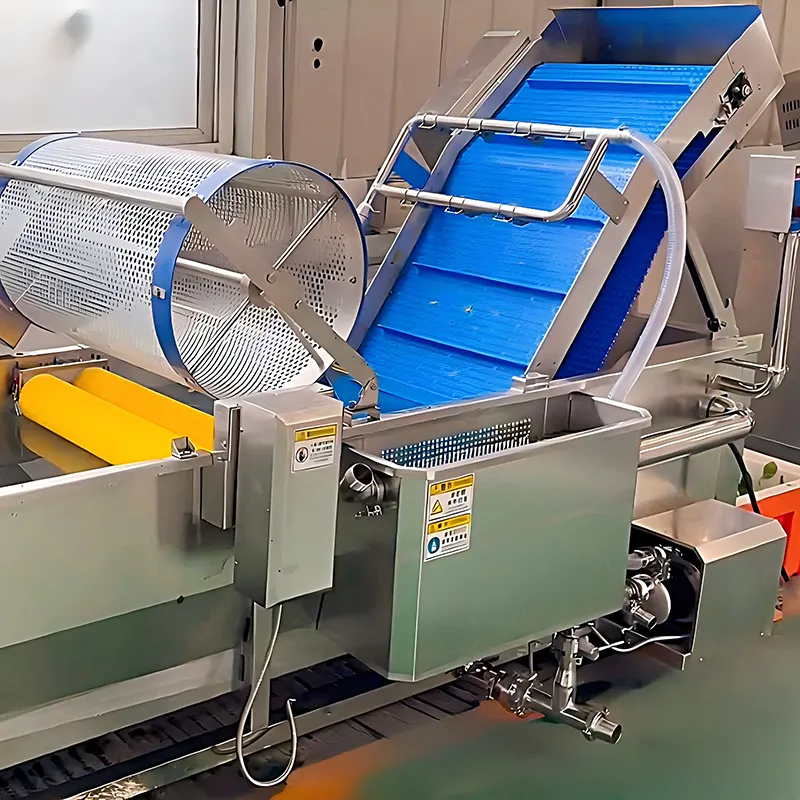
A vegetable washing machine is one of the most important pieces of equipment in any commercial food processing environment. From large-scale catering operations to food manufacturing facilities, a vegetable washing machine delivers consistent, thorough cleaning that manual washing simply cannot match. As food safety regulations tighten globally, investing in a reliable vegetable washing machine has become a standard requirement rather than an optional upgrade.
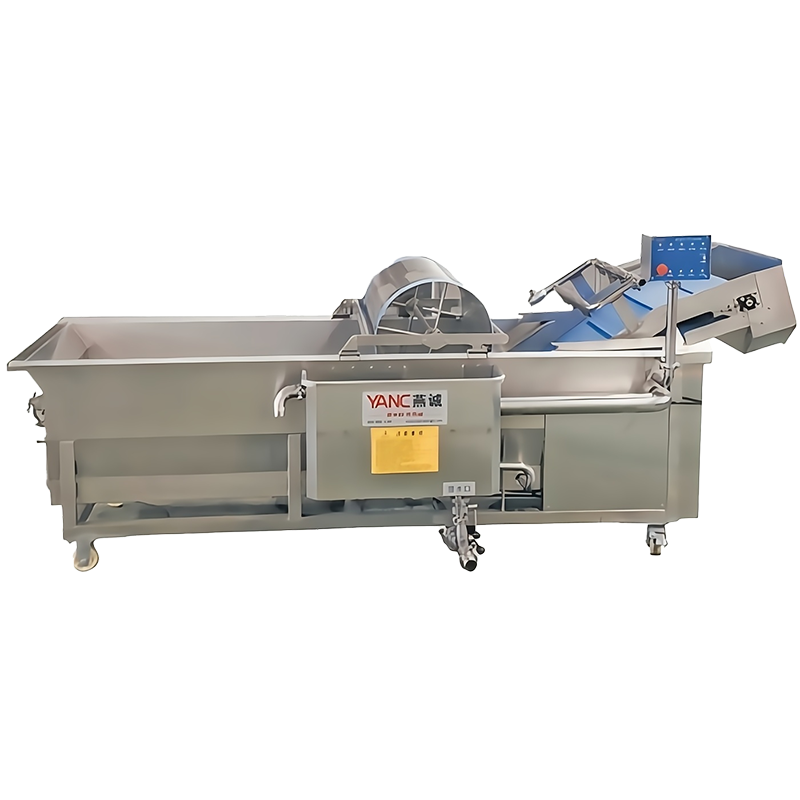
Understanding how a vegetable washing machine works helps buyers make informed decisions for their operations. The mechanism behind each vegetable washing machine is designed to remove soil, bacteria, pesticide residues, and surface contaminants without damaging the produce. This article explains the core processes, hygiene benefits, and operational advantages that a vegetable washing machine provides to food businesses of all sizes.
The Core Mechanism of a Vegetable Washing Machine
Bubble and Spray Technology in a Vegetable Washing Machine
The most widely used vegetable washing machine relies on a combination of bubble generation and high-pressure spray to clean produce effectively. Inside a vegetable washing machine, air pumps create thousands of micro-bubbles that rise through the water and burst against the surface of vegetables. This action dislodges embedded dirt, sand, and organic material without applying mechanical force that could bruise delicate items. A vegetable washing machine equipped with spray bars adds a second layer of rinsing that flushes loosened particles away from the produce before it exits the machine.
This dual-action process within a vegetable washing machine ensures that each piece of produce passes through multiple cleaning stages in a single continuous cycle. Unlike a simple soak-and-rinse method, the vegetable washing machine maintains a dynamic water environment that prevents contaminants from redepositing onto cleaned surfaces. Many models of vegetable washing machine also include an overflow drain system that removes floating debris continuously, keeping the wash water cleaner throughout the entire production run.
Ozone and UV Integration in a Vegetable Washing Machine
Advanced versions of the vegetable washing machine incorporate ozone generators or ultraviolet sterilization units to achieve a higher level of microbial reduction. A vegetable washing machine with ozone capability dissolves ozone directly into the wash water, breaking down bacterial cell walls and neutralizing pesticide residues at a molecular level. This makes the vegetable washing machine particularly valuable for operations that need to meet strict food safety certifications. When combined with bubble washing, the ozone-enhanced vegetable washing machine delivers a dual physical and chemical cleaning effect that significantly reduces pathogen counts on produce surfaces.
Hygiene and Food Safety Benefits of a Vegetable Washing Machine
Reducing Contaminants with a Vegetable Washing Machine
A key reason food businesses rely on a vegetable washing machine is the measurable reduction in surface contaminants. Pesticide residues, heavy metal traces, and microbial colonies that cling to raw vegetables can pose serious health risks if not properly removed. A vegetable washing machine provides a controlled environment where water temperature, flow rate, and treatment intensity can be adjusted to target specific types of contamination. By processing produce through a vegetable washing machine before preparation, operators dramatically reduce the risk of cross-contamination reaching the final product.
The vegetable washing machine also supports compliance with HACCP and ISO food safety standards by creating a documented, repeatable cleaning process. When every batch of produce passes through the same vegetable washing machine settings, food safety managers can establish reliable critical control points. A vegetable washing machine that includes data logging or process monitoring features gives quality assurance teams verifiable evidence that each washing cycle met the required hygiene parameters.
Protecting Produce Quality Through a Vegetable Washing Machine
Beyond microbial safety, the vegetable washing machine also protects the visual and nutritional quality of produce. Unlike rough manual scrubbing, a vegetable washing machine uses controlled water pressure and gentle agitation to clean without causing surface damage. Leafy greens, herbs, and fragile root vegetables can pass through a vegetable washing machine with minimal bruising or leaf breakage. This means that a vegetable washing machine not only improves food safety but also extends the shelf life and market appeal of cleaned produce.
Operational Efficiency Delivered by a Vegetable Washing Machine
Throughput and Labor Savings from a Vegetable Washing Machine
A commercial vegetable washing machine is designed for high-volume, continuous operation. A typical vegetable washing machine can process hundreds of kilograms of produce per hour, far exceeding what a manual washing team could achieve. By integrating a vegetable washing machine into the production line, food processing facilities can reduce labor costs while simultaneously improving output consistency. The vegetable washing machine handles intake, washing, and discharge in one automated sequence, which simplifies workflow management and reduces bottlenecks during peak production periods.
The vegetable washing machine also conserves water compared to traditional manual washing methods. Most modern vegetable washing machine designs recirculate and filter wash water, reducing consumption significantly over a full production shift. Operators of a vegetable washing machine benefit from lower utility costs and a reduced environmental footprint, both of which are increasingly important to buyers in the food industry. Choosing the right vegetable washing machine configuration can directly impact the overall cost-efficiency of a production line.
Maintenance and Long-Term Reliability of a Vegetable Washing Machine
A well-built vegetable washing machine is constructed from food-grade stainless steel that resists corrosion and is easy to sanitize between shifts. Routine maintenance of a vegetable washing machine typically involves cleaning filters, checking spray nozzles, and inspecting the conveyor belt or mesh basket components. Because a vegetable washing machine operates in a wet, high-throughput environment, choosing materials and components rated for continuous use is essential. A vegetable washing machine with accessible internal components reduces downtime during maintenance and makes it easier for operators to keep the machine running at peak performance.
FAQ
What types of produce can a vegetable washing machine handle?
A vegetable washing machine is designed to handle a wide range of produce, including leafy greens, root vegetables, herbs, fruits, and mushrooms. Most vegetable washing machine models allow operators to adjust water flow intensity to suit delicate or robust items. This flexibility makes the vegetable washing machine suitable for diverse food processing operations.
How does a vegetable washing machine remove pesticide residues?
A vegetable washing machine removes pesticide residues through a combination of physical agitation, high-pressure rinsing, and in advanced models, ozone treatment dissolved in the wash water. The ozone-enabled vegetable washing machine breaks down chemical residues at a molecular level, which standard water washing alone cannot achieve. This makes the vegetable washing machine an essential tool for operations prioritizing produce safety.
How often should a vegetable washing machine be cleaned and serviced?
A vegetable washing machine should be thoroughly cleaned after each production shift to prevent bacterial buildup inside the water tank and on conveyor surfaces. Filter systems within the vegetable washing machine should be inspected and cleared daily, while full mechanical servicing of the vegetable washing machine is typically recommended on a monthly or quarterly schedule depending on usage intensity.