
 EN
EN
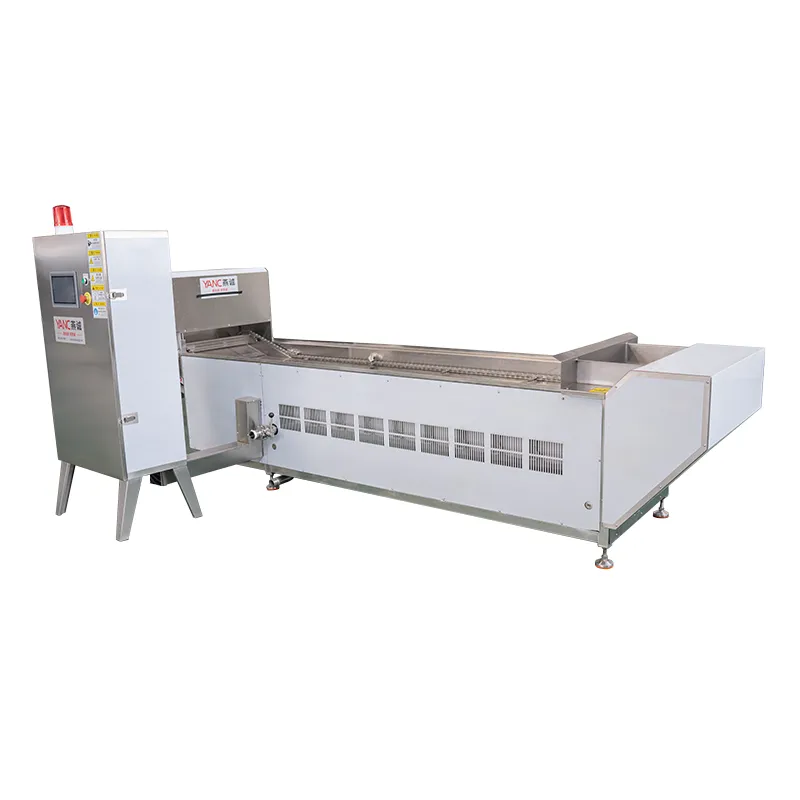
A modern vegetable washing machine is no longer just a convenience in commercial food processing — it is an environmental responsibility. As water scarcity and industrial wastewater regulations become increasingly urgent concerns, food producers, processors, and catering businesses are under real pressure to reduce their environmental footprint. The vegetable washing machine has evolved to directly address both challenges, offering measurable savings in water consumption while minimizing the contaminants released into drainage systems.
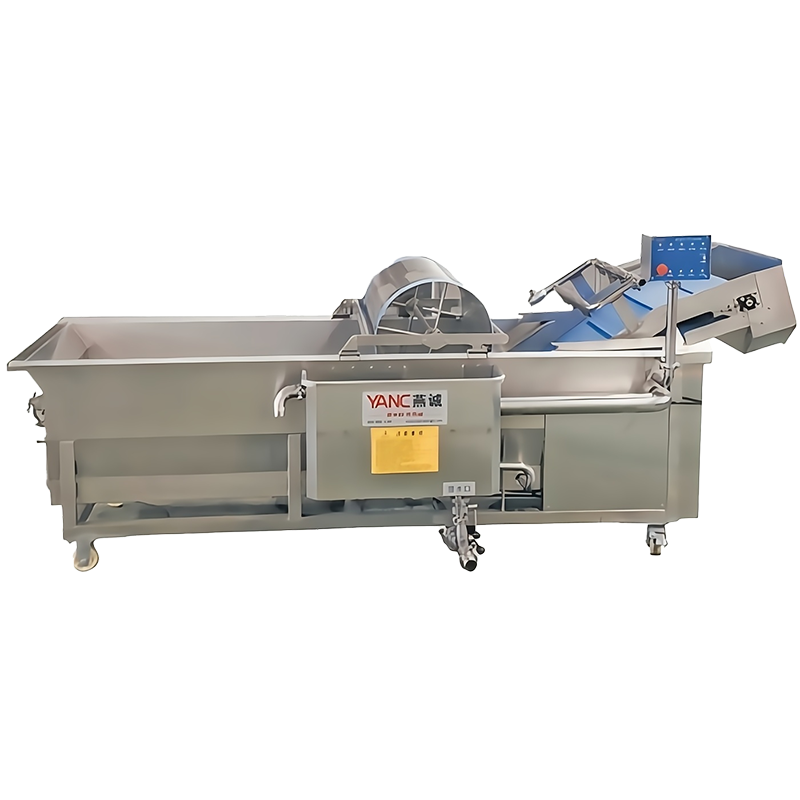
Understanding how a vegetable washing machine contributes to water conservation and pollution prevention requires looking beyond its surface function. A vegetable washing machine does more than rinse produce — it recirculates water intelligently, filters out sediment and pesticide residue, and reduces the volume of contaminated discharge that would otherwise enter public waterways. For any operation that processes large volumes of fresh produce daily, investing in the right vegetable washing machine is both an operational and an environmental decision.
How a Vegetable Washing Machine Conserves Water
Recirculation and Filtration Technology
One of the most significant ways a vegetable washing machine saves water is through its built-in recirculation system. Unlike manual washing or basic rinse conveyor systems, a modern vegetable washing machine continuously filters and reuses the same water across multiple wash cycles. The filtration component removes suspended solids, dirt particles, and organic debris, allowing the vegetable washing machine to maintain effective cleaning performance without constantly drawing fresh water. This approach can dramatically reduce hourly water consumption compared to conventional open-flow washing methods.
In a high-throughput food processing environment, the water savings delivered by a vegetable washing machine add up quickly. A single vegetable washing machine operating on a recirculation loop can process hundreds of kilograms of produce per hour while using a fraction of the water that traditional hand-washing or open-pipe rinsing would require. The design of a commercial vegetable washing machine often includes a settling tank or filtration mesh that continuously cleans the recirculated water, extending its usability across long production shifts. This makes the vegetable washing machine a practical solution for facilities looking to meet sustainability targets.
Water Volume Control and Sensor-Based Management
Advanced models of the vegetable washing machine incorporate sensor-based water management systems. These systems detect the load volume and adjust water flow rates accordingly, ensuring that the vegetable washing machine never uses more water than necessary for a given batch. Rather than running at a fixed high-flow rate regardless of load, a smart vegetable washing machine scales its water usage to match actual demand. This dynamic control is a key reason why the vegetable washing machine outperforms manual washing in water efficiency — the process is precise, repeatable, and measurable.
How a Vegetable Washing Machine Prevents Pollution
Removing Pesticide Residue and Chemical Contaminants
A vegetable washing machine equipped with ozone generation or ultrasonic cleaning technology goes further than simple mechanical agitation. The vegetable washing machine uses these technologies to break down pesticide residue, surface bacteria, and chemical contaminants at a molecular level before the water is discharged. Without a vegetable washing machine that includes active treatment, the wastewater from produce washing carries significant chemical loads — pesticide compounds, wax coatings, fertilizer residue, and biological matter. When this contaminated water enters drainage systems untreated, it contributes directly to local water pollution.
A properly designed vegetable washing machine reduces the concentration of these contaminants in its discharge water. By combining mechanical bubble washing, ozone treatment, and recirculation filtration, the vegetable washing machine ensures that the water it releases has a significantly lower pollutant load. For food processing facilities that must comply with wastewater discharge standards, using a vegetable washing machine with active treatment technology simplifies compliance and reduces the risk of regulatory penalties. The vegetable washing machine therefore serves as a frontline tool in responsible wastewater management.
Reducing Solid Waste and Drainage Blockages
Beyond chemical contamination, the vegetable washing machine also addresses solid waste in the water stream. As produce passes through the vegetable washing machine, leaf fragments, soil particles, sand, and small organic matter are captured in the machine's filtration or sedimentation system rather than being flushed directly into drainage pipes. A vegetable washing machine with effective solid separation protects municipal drainage infrastructure and reduces the load on wastewater treatment plants. This function of the vegetable washing machine is particularly valuable in operations that wash root vegetables, leafy greens, or field-harvested produce with high soil content.
Operational Benefits That Support Sustainable Food Processing
Consistent Cleaning Performance Across High Volumes
A vegetable washing machine delivers uniform cleaning quality across every batch, which is critical for food safety and regulatory compliance. Because the vegetable washing machine maintains consistent water temperature, flow pressure, and treatment conditions, the cleaning result does not vary with operator fatigue or technique. This consistency means that the vegetable washing machine can be integrated into fully automated production lines, reducing manual labor while maintaining hygiene standards. The reliability of a vegetable washing machine makes it suitable for central kitchen operations, food manufacturing plants, and institutional catering facilities that must meet strict food safety requirements.
Long-Term Cost and Resource Savings
The financial case for a vegetable washing machine is closely tied to its resource efficiency. A vegetable washing machine that recirculates water and minimizes discharge reduces utility costs, lowers wastewater treatment fees, and decreases the labor hours required for manual produce preparation. Over time, the vegetable washing machine pays for itself through these cumulative savings. For operations scaling up production, adding a vegetable washing machine is far more cost-effective than expanding manual washing stations, which would require proportionally more water, labor, and drainage capacity. The vegetable washing machine represents a scalable investment in both efficiency and sustainability.
FAQ
How much water can a vegetable washing machine save compared to manual washing?
A vegetable washing machine with a recirculation system can reduce water consumption by a substantial margin compared to manual open-flow washing. The exact savings depend on the model, production volume, and produce type, but the vegetable washing machine consistently uses water more efficiently because it filters and reuses the same supply rather than continuously drawing fresh water for each batch.
Can a vegetable washing machine handle different types of produce?
Yes, a modern vegetable washing machine is typically designed to process a wide range of produce including leafy vegetables, root vegetables, fruits, and herbs. The vegetable washing machine adjusts its washing intensity and cycle settings to suit different produce types, preventing damage to delicate items while still delivering thorough cleaning for denser or soil-heavy vegetables.
What maintenance does a vegetable washing machine require to stay efficient?
Regular maintenance of a vegetable washing machine includes cleaning the filtration mesh, draining and replacing recirculated water at scheduled intervals, and inspecting the pump and spray components. Keeping the vegetable washing machine well-maintained ensures that its water recirculation system continues to perform efficiently and that its discharge quality remains within acceptable environmental standards.