
 EN
EN
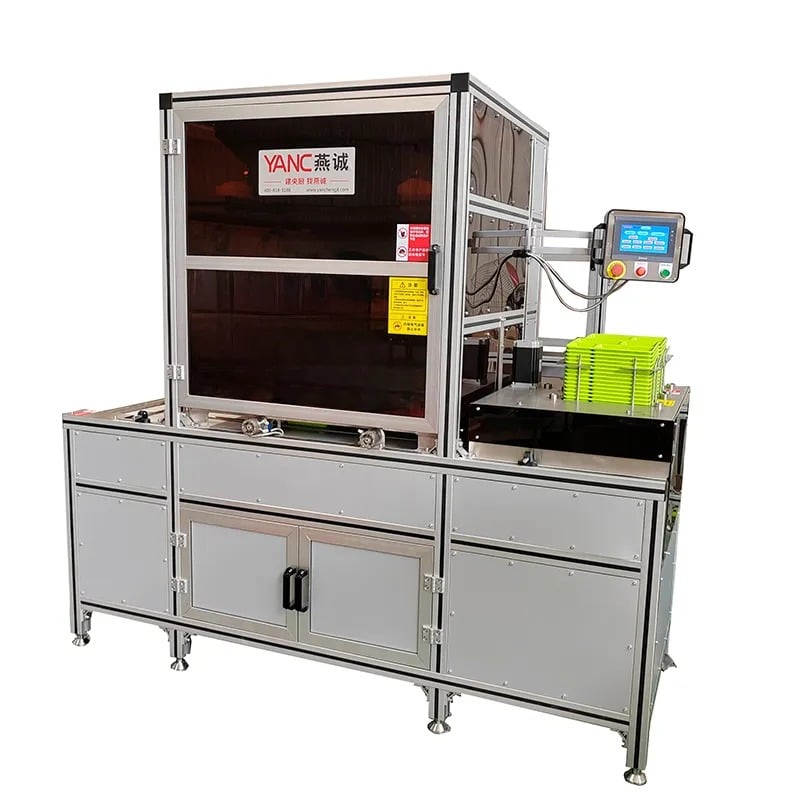
In modern food service operations, efficiency and consistency are paramount to maintaining profitability and customer satisfaction. A food processing machine designed specifically for rice portioning represents a significant advancement in how commercial kitchens and food service facilities can optimize their workflow. The one-operator rice portioning machine combines precision, speed, and ease of use into a single piece of equipment that transforms manual labor into automated production. By implementing this type of food processing machine, operators can reduce waste, improve portion accuracy, and free up valuable staff time for other critical kitchen tasks. This equipment category has become essential for restaurants, catering companies, institutional dining facilities, and food manufacturers who need to serve consistent meal portions quickly and reliably.
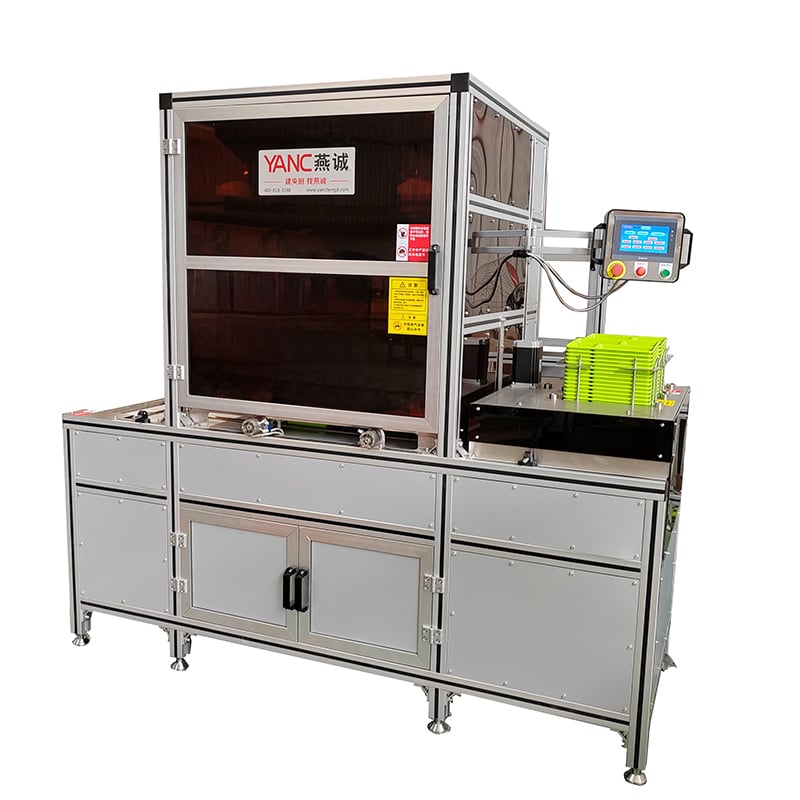
The one-operator design of this food processing machine eliminates the need for multiple staff members to manage rice preparation and portioning. Unlike traditional methods that require teams of workers to manually measure, scoop, and package rice portions, this food processing machine streamlines the entire operation into a single-person task. The efficiency gains are immediate and measurable, allowing food service establishments to redirect labor resources, reduce operational costs, and maintain consistent portion sizes throughout each service period. Understanding how this food processing machine operates and fits into your facility's workflow is critical to making an informed investment decision that aligns with your business goals.
How the One-Operator Rice Portioning Food Processing Machine Functions
Core Operating Mechanism and Automation
The fundamental advantage of a modern food processing machine for rice portioning lies in its automated technology platform. This food processing machine uses precise volumetric or weight-based measurement systems to ensure each portion meets exact specifications without human intervention. Operators load bulk rice into the machine's hopper, set the desired portion size through an intuitive digital interface, and the food processing machine automatically dispenses accurate portions into containers or onto serving trays. The consistency achieved by this food processing machine is impossible to replicate manually, as it eliminates the human variability that typically causes portion size fluctuations. Many commercial facilities report that deploying this type of food processing machine reduces their portion size variance from 15–20% down to less than 2%, directly improving cost control and customer experience consistency.
Single-Operator Workflow and Labor Integration
The one-operator requirement of this food processing machine fundamentally changes kitchen labor allocation. Rather than requiring a dedicated team member to continuously portion rice throughout service, a single operator can manage the food processing machine while attending to other kitchen responsibilities simultaneously. This food processing machine often features semi-automatic cycles, allowing the operator to load the hopper periodically while the equipment cycles through portioning sequences. The reduction in labor dependency makes this food processing machine particularly attractive to food service businesses operating in tight labor markets where skilled kitchen staff are difficult to recruit and retain. By consolidating rice preparation into one person's duties, operations achieve significant payroll savings while simultaneously improving portion accuracy and food safety compliance.
Key Operational Benefits of Rice Portioning Food Processing Machines
Cost Reduction and Waste Minimization
Implementing a food processing machine for rice portioning directly impacts the bottom line of food service operations through multiple cost reduction pathways. First, the food processing machine minimizes rice waste by dispensing exact portions, eliminating the over-serving that characterizes manual preparation methods. Second, this food processing machine reduces labor costs by requiring only one operator instead of multiple team members. Third, the food processing machine improves inventory management by providing precise consumption tracking and forecasting based on actual portions dispensed. Food service managers have documented that the payback period for a food processing machine investment typically ranges from 8 to 14 months, after which the equipment generates pure operational savings. These financial benefits make the food processing machine an attractive capital investment for restaurants, catering services, and institutional dining operations seeking to improve profitability without compromising quality or consistency.
Quality Enhancement and Compliance Standards
Beyond cost efficiency, a food processing machine designed for rice portioning elevates food safety and regulatory compliance standards across food service establishments. This food processing machine maintains controlled environment conditions, reducing contamination risks compared to open-air manual portioning methods. The automated nature of this food processing machine creates complete documentation of portion sizes, batch quantities, and preparation times, supporting audit requirements and food safety certifications. Institutional facilities operating under strict dietary and allergen protocols benefit significantly from a food processing machine's ability to maintain portion consistency and purity standards. Healthcare facilities, military dining programs, and corporate cafeterias that must comply with specific nutritional guidelines find that this food processing machine provides the accuracy and repeatability necessary to meet those rigorous requirements. The food processing machine thus becomes not merely a labor-saving device but a critical component of modern food safety infrastructure.
Integration Considerations and Implementation Strategy
Facility Compatibility and Equipment Integration
Successful deployment of a food processing machine for rice portioning requires careful assessment of facility layout, existing equipment, and workflow patterns. The food processing machine must be positioned to receive input from rice storage areas and connect logically to serving lines or packaging stations. Understanding the food processing machine's footprint, utility requirements, and operational noise level ensures smooth integration into existing kitchens without disrupting current operations. Many facilities discover that consolidating this food processing machine with complementary equipment—such as rice cookers or storage systems—creates efficient preparation zones that maximize staff productivity. Professional guidance during the food processing machine selection and placement phase typically prevents costly installation mistakes and ensures the equipment reaches its maximum operational potential within your specific facility context.
Staff Training and Operational Excellence
While the food processing machine is engineered for single-operator simplicity, proper staff training remains essential to achieving optimal performance and equipment longevity. Training programs should cover the food processing machine's basic operation, portion size adjustments, routine maintenance procedures, and troubleshooting protocols for common issues. Operators must understand how to calibrate the food processing machine to different rice types and moisture levels, as these variables affect portioning accuracy. Documented standard operating procedures specific to your facility's food processing machine ensure consistency across shifts and staff transitions. Regular equipment maintenance schedules outlined in the food processing machine manufacturer's guidance directly correlate with equipment reliability and operational uptime, making staff familiarity with these protocols crucial to maximizing return on investment.
FAQ
What types of rice can a rice portioning food processing machine handle effectively?
Most modern rice portioning food processing machines accommodate various rice types including long-grain white rice, brown rice, jasmine, and basmati varieties. The food processing machine's settings can typically be adjusted for different grain sizes and moisture contents to maintain portioning accuracy. However, it is important to verify with the food processing machine manufacturer whether specialty rice varieties or specific grain conditions require calibration adjustments or alternative settings.
How frequently does a rice portioning food processing machine require maintenance to ensure consistent operation?
A food processing machine used for rice portioning generally requires daily cleaning of food contact surfaces and weekly inspection of mechanical components. The food processing machine's maintenance schedule depends on operating volume and ambient conditions, but most manufacturers recommend professional servicing every 6–12 months to maintain optimal accuracy and prevent component wear. Facilities operating the food processing machine at high volume may benefit from more frequent professional inspections to ensure sustained performance and minimize unexpected downtime.
Can a rice portioning food processing machine be customized for specific portion sizes required by our facility?
Yes, most modern rice portioning food processing machines offer flexible portion size programming through digital controls or mechanical adjustments. The food processing machine can typically be configured to dispense portions ranging from small side servings to large buffet portions, depending on the model's specifications. Consulting with the food processing machine supplier about your facility's specific portion requirements ensures you select equipment with the flexibility to meet your current needs and accommodate future menu adjustments.
Table of Contents
- How the One-Operator Rice Portioning Food Processing Machine Functions
- Key Operational Benefits of Rice Portioning Food Processing Machines
- Integration Considerations and Implementation Strategy
-
FAQ
- What types of rice can a rice portioning food processing machine handle effectively?
- How frequently does a rice portioning food processing machine require maintenance to ensure consistent operation?
- Can a rice portioning food processing machine be customized for specific portion sizes required by our facility?