
 EN
EN
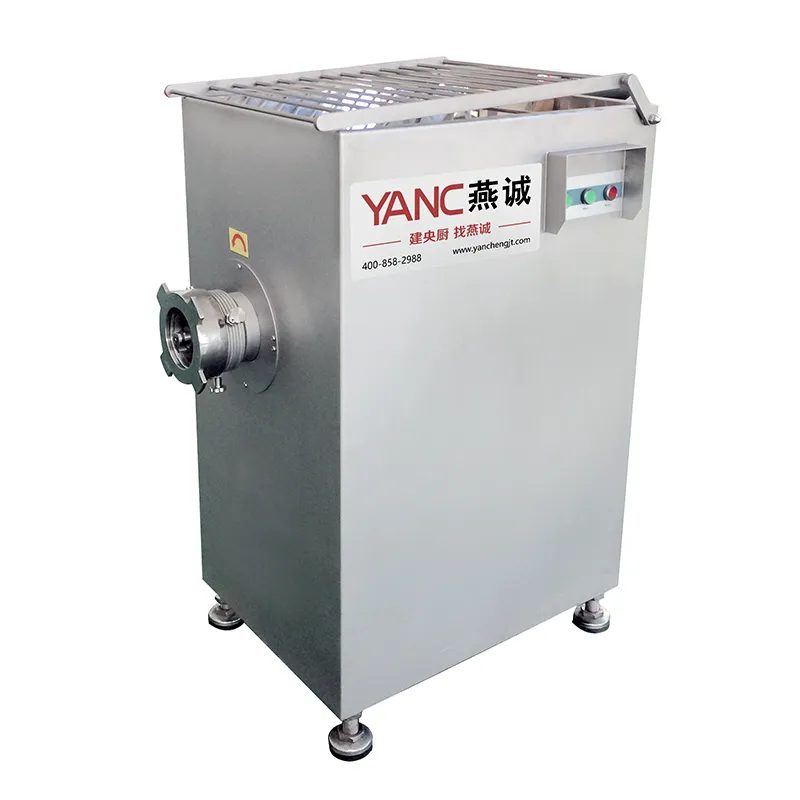
Running a busy institutional kitchen or restaurant demands reliable equipment that balances performance with budget constraints. A quality meat grinder serves as an essential tool for any food service operation, enabling chefs and prep teams to process proteins efficiently while maintaining consistent quality. Understanding how to select and operate a cost-effective meat grinder can significantly impact your operational efficiency and food consistency. This guide explores why a meat grinder is critical for modern foodservice, how to choose the right model for your kitchen, and what performance benefits you can expect when investing in the right equipment.
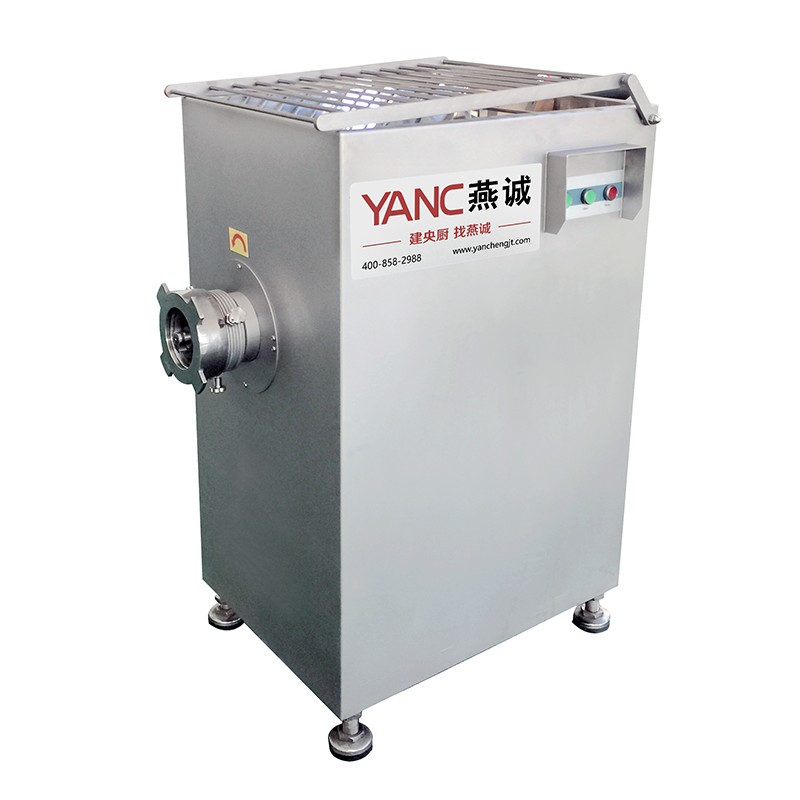
Institutional kitchens and restaurants face constant pressure to reduce waste, accelerate preparation times, and maintain product quality. A professional meat grinder addresses all three challenges simultaneously. Whether you operate a high-volume steakhouse, a contract catering facility, or a specialty butcher counter, having a dependable meat grinder on your prep line ensures that your team can process fresh proteins quickly, consistently, and affordably. The right meat grinder investment pays for itself through improved workflow efficiency and reduced material waste.
Why a Meat Grinder Matters for Your Kitchen Operations
Enhancing Food Consistency and Quality Control
A dedicated meat grinder enables your kitchen to maintain uniform texture and consistency across all ground meat products. When you grind meat on-site using a reliable meat grinder, you control the grind size, fat content, and contamination risk far more effectively than relying on pre-ground suppliers. This quality control directly translates into superior burger patties, meatballs, sausages, and specialty preparations that define your restaurant's reputation. Customers notice the difference between freshly ground meat and oxidized pre-ground alternatives, making your meat grinder an investment in perceived quality.
Reducing Operational Costs and Waste
Purchasing bulk cuts of meat rather than pre-ground meat typically costs less per pound, and a cost-effective meat grinder maximizes this savings advantage. Your team can grind only what they need during each service period, reducing spoilage and freezer storage waste. A meat grinder also enables you to transform trim, scraps, and less marketable cuts into valuable ground products instead of discarding them. For institutional kitchens managing tight margins, this waste reduction directly improves your bottom line.
Choosing the Right Meat Grinder for Your Kitchen
Capacity and Throughput Considerations
The processing capacity of your meat grinder should match your peak operational needs. High-volume restaurants and institutional caterers need a meat grinder capable of processing 100 to 200+ kilograms per hour, ensuring your prep team never falls behind during peak periods. A meat grinder with insufficient capacity creates bottlenecks during service setup or catering prep, negating any cost savings. Conversely, oversizing your meat grinder adds unnecessary capital expense and occupies valuable countertop space. Analyze your typical daily volume and select a meat grinder model that handles peak demand comfortably while remaining reasonably compact.
Material, Durability, and Maintenance Requirements
Commercial kitchens demand equipment built for constant use and frequent cleaning. A durable meat grinder typically features stainless steel grinding plates, robust drive systems, and easy-access component design for daily maintenance. Investing in a meat grinder with straightforward disassembly and cleaning procedures reduces labor time and prevents bacterial contamination concerns. Food-grade materials and sealed component design protect both product safety and equipment longevity. When evaluating cost-effective options, confirm that lower pricing does not compromise material quality or maintenance accessibility, as repair downtime costs far exceed initial equipment savings.
Maximizing Efficiency and ROI with Your Meat Grinder
Workflow Integration and Operator Safety
A properly positioned meat grinder integrates seamlessly into your prep workflow, allowing ingredients to flow from portioning to grinding to mixing without unnecessary movement. Ergonomic design matters significantly in high-volume settings where operators spend hours at grinding stations. Your meat grinder should feature stable mounting, intuitive controls, and safety guards that protect staff fingers and hands from rotating components. Training your team on proper meat grinder operation and maintenance ensures consistent safety records and reliable daily output. Designate a single team member as the meat grinder specialist responsible for daily cleaning, maintenance, and troubleshooting.
Sustainability and Value Retention
A cost-effective meat grinder that combines affordable initial pricing with durable construction delivers superior value over its operational lifetime. Choosing a meat grinder engineered for easy repair rather than replacement means your equipment continues delivering value even after several years of intensive use. Many institutional kitchens find that quality meat grinder investments retain value through secondary markets or donation programs when eventually replaced. This sustainability perspective transforms purchasing decisions from simple cost minimization into long-term asset management that benefits both your operation and environmental responsibility initiatives.
FAQ
What size meat grinder should I purchase for my restaurant?
Select a meat grinder based on your peak daily volume needs. Most mid-scale restaurants operate effectively with a meat grinder processing 100 to 150 kilograms per hour. High-volume institutional kitchens may require a meat grinder handling 200+ kilograms hourly. Calculate your maximum daily meat processing volume, divide by your available grinding time during prep periods, and select a meat grinder that comfortably exceeds this hourly requirement without excessive oversizing.
How often does a commercial meat grinder require maintenance?
A professional meat grinder demands daily cleaning after each use to maintain food safety and prevent bacterial growth. Deep disassembly and inspection should occur weekly, with detailed cleaning of internal passages and grinding plates. Quarterly maintenance includes checking motor function, belt tension, and safety mechanisms. Follow your specific meat grinder manufacturer's maintenance schedule to ensure warranty coverage and reliable performance. Proper maintenance extends your meat grinder's operational lifespan significantly and prevents costly repairs.
Can a meat grinder handle frozen meat products?
Many commercial meat grinders can process partially frozen meat, which actually produces superior texture consistency compared to fully thawed material. However, confirm that your specific meat grinder model is engineered for frozen meat processing before attempting this application. Fully frozen solid meat may strain standard meat grinder motors, so semi-frozen material between zero and minus five degrees Celsius typically works best. Always consult your meat grinder's specifications and manufacturer guidance before processing frozen products.