
 EN
EN
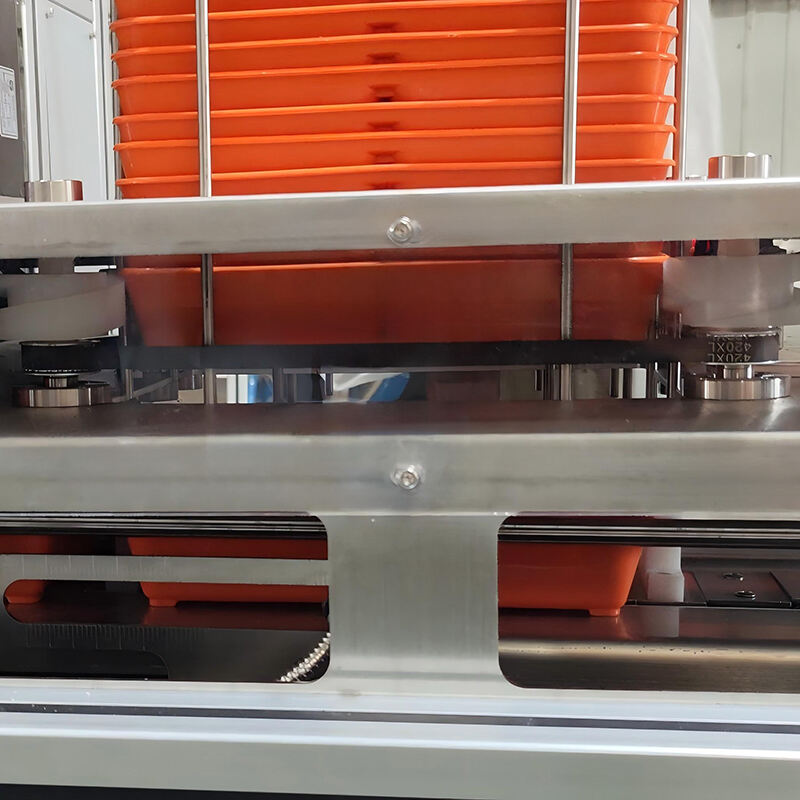
The Role of Rice Processing Machines in Modern Meal Prep
How Automatic Portioning Enhances Scalability in Food Production
Rice processing machines equipped with automatic portioning systems let food manufacturers grow their operations without sacrificing quality control. The volumetric dosing tech makes sure every meal box gets exactly the right amount of rice, which cuts down on all that guesswork when people are doing it by hand. Food waste drops around 22% on big production lines using this method, and factories can actually process twice as many boxes per hour compared to old school techniques. Take a look at meal kit businesses churning out over 50 thousand servings each day they need this kind of consistency to hit those razor thin profit margins while still meeting what retailers demand. Plus, nobody wants to slow things down when time is money in the food manufacturing business.
Integrating Rice Processing Machines into Batch Cooking Workflows
Today's rice processing gear works hand in hand with steamers, chillers, and packaging lines to form complete batch cooking systems. These machines are controlled by programmable logic controllers, or PLCs for short, which tweak portion sizes and timing as needed based on what's happening at connected ovens or sauce stations across the kitchen floor. The way these systems tie together cuts down wasted time between cooking runs and saves companies around 35 to 40 percent on labor expenses in their big kitchens. Manufacturers who have made the switch tell us orders get filled about 18% quicker thanks to automated rice portions that automatically recalibrate themselves whenever ingredients change. This means food moves smoothly from raw rice storage all the way through to those ready-to-go meal trays without any hiccups along the way.
Achieving Precision and Consistency in Ready Meal Packaging
Food processing equipment with volumetric dosing can hit around 2% accuracy when measuring portions of rice and other mixed ingredients. This level of precision matters a lot for things like meal kit companies and hospital nutrition programs where dietary requirements must be strictly followed. The technology behind these systems involves specially designed cavities that measure volume rather than weight. Manual scooping just doesn't cut it here since people tend to be off by as much as 15% in their measurements. Recent FDA compliance reports from last year back this up, showing why automated systems are becoming so important in modern food production settings.
Uniform quantities directly impact consumer trust—82% of ready-meal buyers in a 2024 National Restaurant Association survey identified consistent portion sizes as their top repurchase driver. Automated portion control reduces ingredient waste by 27% while maintaining meal uniformity, as demonstrated in industry automation efficiency studies.
The Impact of Accurate Portion Control on Consumer Satisfaction
Operators using gravimetric feedback systems report 23% fewer customer complaints about underfilled meals compared to static volumetric approaches. This precision prevents both costly over-portioning and brand-damaging under-serving—key factors when 91% of consumers equate portion consistency with overall food quality (Food Logistics Journal 2024).
Case Study: Reducing Waste by 27% in Ready Meal Lines With Precision Dosing
A Midwest meal prep facility achieved annual savings of $186,000 after upgrading to hybrid dosing technology that combines volumetric speed with load-cell verification. The system’s real-time density compensation eliminated seasoning measurement errors that previously caused 14% of batches to exceed sodium limits.
Volumetric vs. Gravimetric Dosing: Choosing the Right System for Rice and Mixed Ingredients
Performance differences in handling rice, proteins, and vegetables
When it comes to measuring ingredients, volumetric systems work best with things that pour smoothly like rice or flour since they fill containers consistently. But trouble arises with items like chicken chunks or carrot bits because their odd shapes and varying water content make volume measurements unreliable. That's where weight-based systems shine. According to research published last year in the field of food processing, these gravimetric methods cut down on portion mistakes by around two thirds when dealing with combinations of different foods, something regular volume measuring just can't match up to.
Hybrid food processing machine designs for complete meal box automation
The latest hybrid systems are blending volumetric feeding at speeds reaching around 40 portions per minute with regular gravimetric checkups to keep things accurate. This combination works really well for those tricky meal box situations where we're dealing with different densities – think about boxes packed with mostly rice (about 60%), some protein (around 25%), and veggies making up the remaining 15%. Looking at what's happening in the industry right now, these hybrid food processors can hit an accuracy range of plus or minus 1.5% when handling all sorts of mixed ingredients. And here's the kicker they do this while still moving through production lines about 28% quicker than just relying on pure gravimetric systems alone. Makes sense when considering how much time manufacturers save without sacrificing quality control.
Volumetric vs. gravimetric: Accuracy, speed, and cost trade-offs
Operators prioritizing throughput for single-ingredient lines often choose volumetric systems, while facilities producing premium mixed meals increasingly adopt gravimetric units to minimize giveaway and ensure recipe compliance. The ROI gap closes after 18–24 months for high-volume producers due to gravimetric's superior material efficiency.
Automation Technology Driving Efficiency in Large-Scale Meal Portioning
Reducing Labor Costs with Automatic Portioning in Food Production
Today's food processing equipment takes care of those boring, repetitive jobs humans used to do by hand, such as measuring out ingredients or scooping them into containers. According to Ponemon research from 2023, this automation cuts down on labor needs by nearly two thirds at large scale ready meal operations. The machines can tackle all sorts of complicated work too, like breaking apart stuck together rice grains or dividing up combination ingredients, and they do it faster than most people can count – over 120 times per minute actually. Because these systems scale so well, factory managers can shift their workers into better positions for checking product quality instead of just standing around watching machines work day and night. Plus, since everything runs non stop without needing extra hours paid, companies save money while still keeping up with demand.
Smart Sensors and Real-Time Feedback Loops for Dynamic Portion Control
Modern rice portioning systems are getting pretty sophisticated these days. They include things like optical sensors that can pick up on subtle changes in rice density with an accuracy of about plus or minus half a percent. There are also pressure sensitive conveyor belts that adjust weight measurements almost instantly. And let's not forget the AI vision systems that spot when ingredients aren't distributed properly across batches. All these tech components work together to handle tricky issues like moisture content variations in rice grains which can differ by as much as 12%. The system also accounts for how proteins shrink while cooking processes take place. Manufacturers report around a third reduction in portioning mistakes since implementing this kind of advanced technology in their facilities over the past year or so.
Future Trends: AI Integration in Rice Processing and Meal Prep Machinery
Leading manufacturers are testing neural networks that predict optimal cooking times based on rice varietal characteristics—such as jasmine versus basmati—and real-time humidity data. A 2024 industry report reveals prototype systems achieving 99.8% portion consistency across 10,000+ meal boxes by analyzing historical production data to refine dosing algorithms continuously.
FAQ Section
What are the main benefits of automated rice processing machines?
Automated rice processing machines improve scalability and efficiency in food production by cutting down on food waste, enhancing portion accuracy, and reducing labor costs.
How do volumetric and gravimetric dosing systems differ?
Volumetric dosing systems measure ingredients based on volume, whereas gravimetric systems measure by weight. Gravimetric methods are more accurate for irregular shaped ingredients.
How does automation affect labor costs?
Automation significantly reduces labor costs by replacing repetitive manual tasks with automated processes, allowing workers to focus on quality control.