
 EN
EN
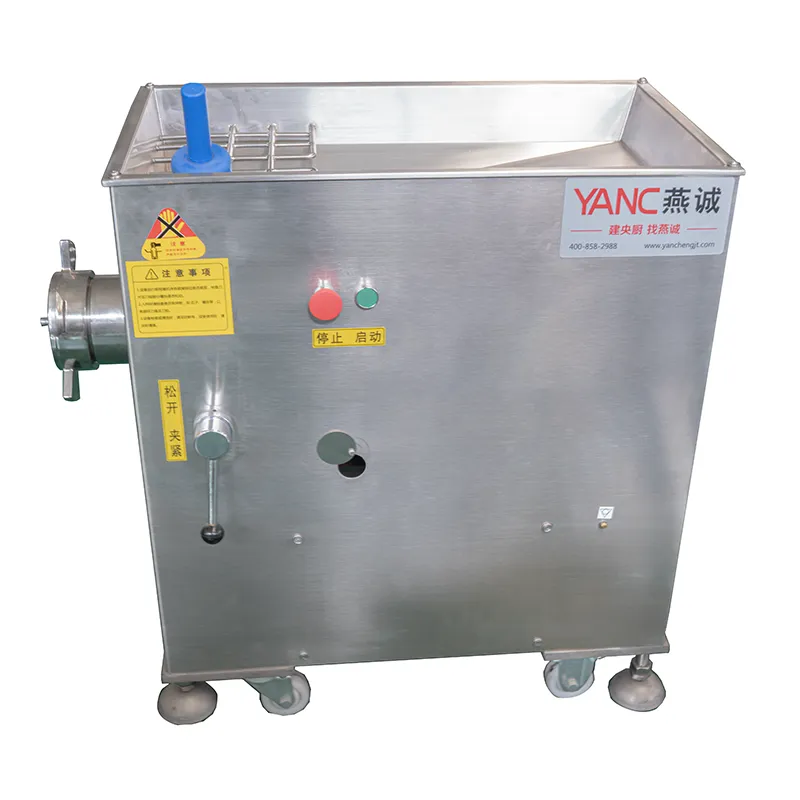
A professional meat grinder is an essential piece of equipment in any commercial food processing facility, particularly when preparing raw materials for downstream chopping or mixing operations. The meat grinder serves as a critical pre-processing step that reduces whole cuts, trimmings, and frozen blocks into uniform particle sizes, enabling consistent product quality and operational efficiency across your production line.
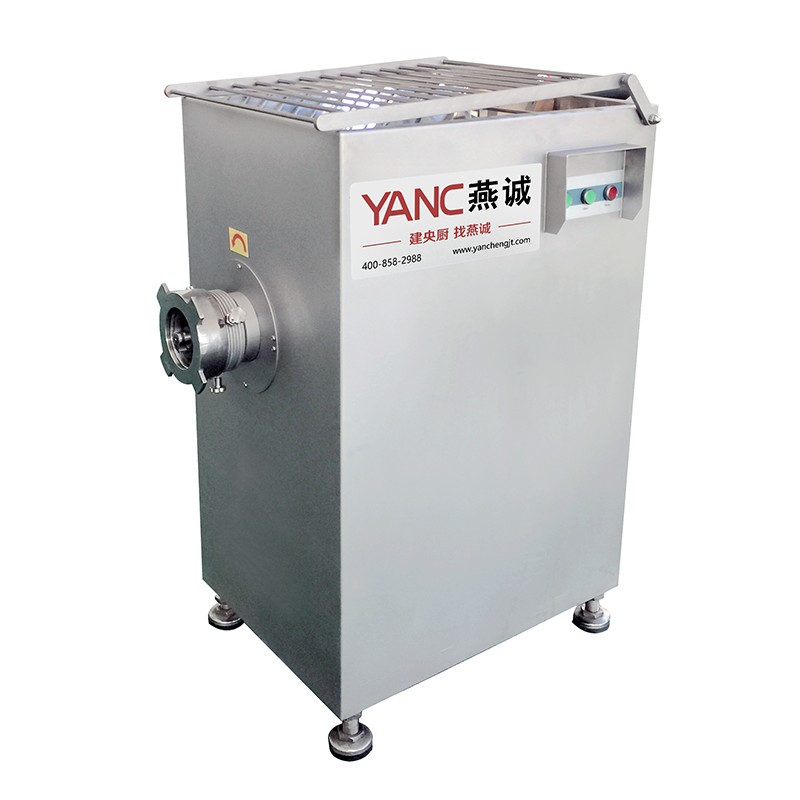
Pre-processing with a meat grinder directly impacts the performance of your chopping and mixing equipment downstream. When raw meat materials are properly ground to the correct specification before further processing, your downstream machinery operates with greater precision, lower wear rates, and improved product consistency. This preparatory step is not optional in professional food manufacturing; it is a foundational requirement for achieving repeatable results and meeting strict food safety standards.
Understanding Professional Meat Grinder Design and Functionality
Core Components and Processing Power
A professional meat grinder comprises several critical components that work in concert to handle high-volume processing demands. The grinding chamber, screw conveyor, cutting plates, and discharge opening are engineered to withstand continuous operation while maintaining precise particle size control. A quality meat grinder includes variable speed adjustment, allowing operators to optimize grinding consistency depending on whether they are processing fresh meat, frozen meat, or specific trim types.
The motor and transmission system of a commercial meat grinder must deliver consistent torque and power output throughout each production shift. Unlike household meat grinder models, industrial-grade meat grinder equipment incorporates heavy-duty bearings, reinforced gears, and thermal management systems designed to prevent overheating during extended processing runs. This robustness ensures your meat grinder performs reliably even under demanding pre-processing schedules.
Hygiene and Material Standards
Modern professional meat grinder designs prioritize food safety through stainless steel construction, smooth internal surfaces, and rapid disassembly features that facilitate thorough cleaning between production runs. A meat grinder intended for pre-processing must comply with food-grade material standards and sanitation protocols specific to your region and target markets. Proper material selection prevents contamination risk and extends the operational lifespan of your meat grinder investment.
Pre-Processing Workflow and Meat Grinder Placement
Integration with Chopping and Mixing Operations
The meat grinder serves as the first processing station in a multi-stage pre-processing workflow. After grinding, material flows directly to chopping equipment or mixing vessels where additional processing occurs. Strategically positioning your meat grinder minimizes material handling time and reduces product temperature rise, which is critical when processing frozen meat. A well-coordinated meat grinder setup maintains cold chain integrity and preserves nutritional and textural properties.
Sizing your meat grinder capacity to match downstream equipment throughput prevents bottlenecks and ensures continuous material supply to your chopping and mixing systems. If your meat grinder output does not align with downstream demand, you create inefficiencies that cascade through your entire production line. Conversely, a meat grinder operating below capacity represents underutilized investment. Proper specification ensures balanced workflow and maximum throughput.
Particle Size Consistency and Product Quality
A primary function of pre-processing with a meat grinder is establishing uniform particle size before meat enters chopping or mixing stages. Inconsistent grinding creates variable texture in finished products and complicates formulation consistency. Your meat grinder must provide repeatable particle specification so that downstream chopping equipment operates predictably and produces uniform final products that meet consumer and regulatory expectations.
Selecting the Right Professional Meat Grinder for Your Operation
Capacity, Speed, and Material Handling
Selecting an appropriate meat grinder begins with calculating your required pre-processing throughput based on finished product demand. Consider whether your meat grinder must handle fresh meat, frozen meat, or both, as this affects motor power and screw conveyor design requirements. Variable-speed meat grinder models offer flexibility to process different material types and viscosities without compromising product quality or equipment longevity.
Processing temperature management represents another critical meat grinder selection factor. When grinding creates friction heat, product temperature rises, which accelerates bacterial growth and quality degradation. Professional meat grinder systems should incorporate features such as jacketed chambers or external cooling integration to maintain product temperature within safe ranges during pre-processing operations.
Maintenance Requirements and Operational Efficiency
A practical meat grinder selection process includes evaluation of maintenance accessibility, replacement part availability, and service network support. Routine maintenance such as blade sharpening, bearing lubrication, and seal replacement extends meat grinder lifespan and prevents unexpected downtime. Choose a meat grinder manufacturer or supplier that provides transparent maintenance schedules and readily available spare parts compatible with your production environment.
Operating cost analysis should factor consumables such as replacement cutting plates and gaskets that wear during regular meat grinder use. Models designed for simple disassembly reduce labor time during cleaning and maintenance cycles, lowering total cost of ownership. A meat grinder selected primarily on purchase price without considering maintenance efficiency often proves more expensive over its operational lifetime.
FAQ
Why is a professional meat grinder necessary before chopping or mixing meat?
A professional meat grinder creates uniform particle size and consistency that enables downstream chopping and mixing equipment to operate predictably and produce consistent finished products. Without proper pre-processing, your meat grinder eliminates material variability that would otherwise cause texture inconsistencies, formulation drift, and reduced product quality in your chopped or mixed meat products.
Can a meat grinder handle frozen meat effectively?
Industrial-grade meat grinder systems specifically designed for frozen meat processing incorporate reinforced components, increased motor power, and specialized screw conveyor designs that can handle frozen blocks and partially thawed material. A standard meat grinder designed for fresh meat only may not generate sufficient grinding force for frozen meat and risks equipment damage. Always verify that your meat grinder is rated for the material types you intend to process.
How does meat grinder capacity relate to overall production line efficiency?
A meat grinder sized below your production demand creates bottlenecks where downstream chopping and mixing equipment waits for material, reducing overall line throughput. A meat grinder sized too large represents over-investment and wasted capacity. Proper meat grinder sizing balances pre-processing speed with downstream equipment capacity, ensuring continuous material flow and maximum production efficiency across your entire operation.