
 EN
EN
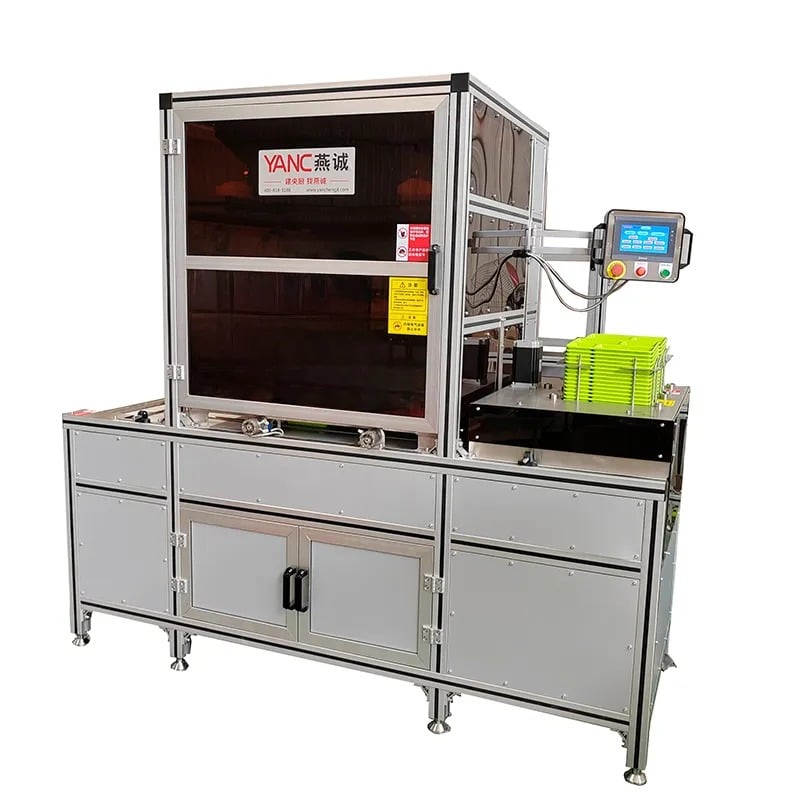
Maintaining hygiene and cleanliness in food production environments is non-negotiable. A well-designed food processing machine with detachable components transforms cleaning from a time-consuming burden into a streamlined operation. When your food processing machine features modular, easy-to-clean elements, you reduce downtime, prevent cross-contamination, and extend equipment lifespan. Modern food production facilities increasingly demand food processing machine designs that prioritize accessibility and sanitation without compromising processing efficiency or product quality.
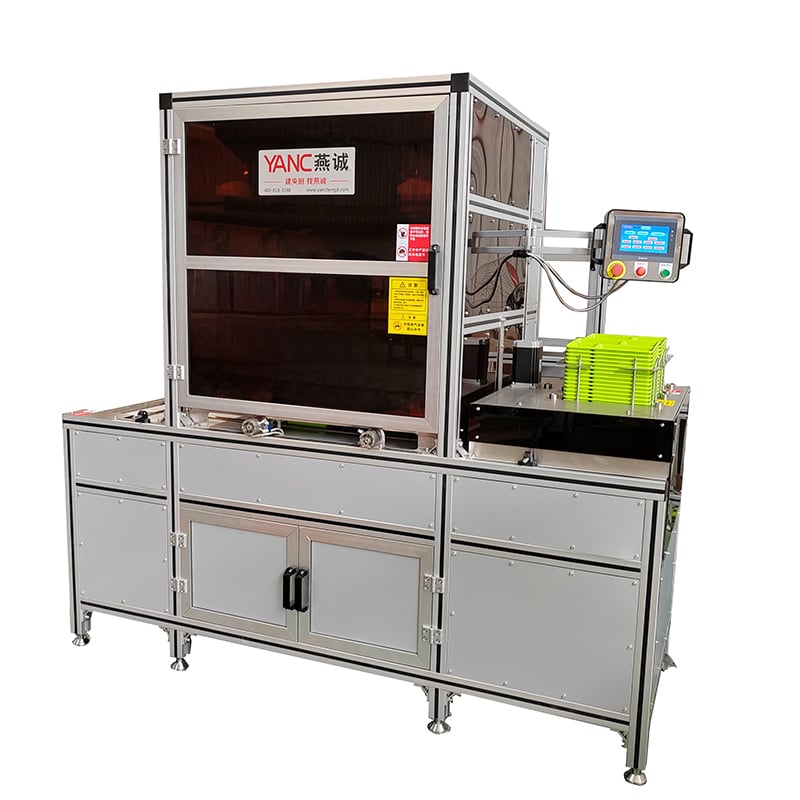
The shift toward detachable structures in food processing machine engineering reflects a fundamental change in operational priorities. Food processors now recognize that a food processing machine offering quick disassembly and reassembly reduces labor costs, minimizes production interruptions, and aligns with stringent food safety regulations. This article explores how detachable food processing machine designs improve cleaning efficiency, enhance product safety, and deliver measurable operational benefits to mid-sized and large-scale food production facilities.
Why Detachable Food Processing Machine Structures Matter
Streamlined Cleaning Protocols
Traditional solid-frame food processing machine designs trap food residue, moisture, and bacteria in hard-to-reach crevices, requiring extended soaking, disassembly by hand, and invasive cleaning methods. A food processing machine with detachable sections allows operators to remove contamination zones quickly and thoroughly. Each removable component of a food processing machine can be cleaned individually under running water, in industrial washers, or sanitized separately without disturbing the main assembly. This modularity drastically reduces cleaning time from hours to minutes, allowing your facility to maintain compliance with food safety standards while maximizing production hours.
Compliance and Regulatory Advantage
Food safety authorities demand documentation of sanitation procedures, and inspectors expect clean, accessible equipment. A food processing machine featuring detachable parts demonstrates commitment to hygiene best practices and passes regulatory audits more easily. When your food processing machine enables complete disassembly, you eliminate hidden contamination risks that inspectors might otherwise flag. Detachable food processing machine designs also align with FDA, USDA, and EU food processing guidelines, giving your facility competitive credibility and reducing compliance liability.
Design Features That Enable Easy Cleaning
Quick-Release Fastening Systems
Modern food processing machine engineering incorporates quick-release clamps, snap-fit connectors, and tool-free locking mechanisms that allow non-technical staff to disassemble a food processing machine in seconds. These fastening systems eliminate the need for wrenches, screwdrivers, or specialized training. A food processing machine equipped with these mechanisms reduces operator dependency and error, ensuring that cleaning routines remain consistent and thorough. Quick-release systems also protect component integrity by preventing cross-threading, over-torquing, or accidental damage during repeated disassembly cycles.
Seamless Material Surfaces
Food processing machine components are typically manufactured from food-grade stainless steel or medical-grade plastics that resist corrosion and bacterial growth. Detachable sections of a food processing machine are designed with smooth, crevice-free surfaces that prevent debris accumulation. When your food processing machine features beveled edges, rounded corners, and polished finishes rather than sharp angles or welded seams, cleaning becomes efficient and thorough. Material selection in a food processing machine directly impacts both cleaning ease and long-term durability, justifying the investment in premium stainless steel construction.
Operational and Economic Benefits
Extended Equipment Lifespan
Thorough, regular cleaning enabled by a food processing machine's detachable design prevents corrosion, mineral buildup, and mechanical wear. When you maintain your food processing machine properly through accessible cleaning, components last significantly longer, reducing replacement costs and unplanned downtime. A well-maintained food processing machine also performs consistently, delivering uniform product quality batch after batch. Facilities that invest in detachable food processing machine designs typically report 15% to 25% longer operational lifespans compared to solid-frame alternatives.
Labor Efficiency and Cost Reduction
Streamlined cleaning protocols directly reduce labor hours and associated payroll expenses. A food processing machine requiring 30 minutes of cleaning versus 2 hours frees up staff for other production tasks. Operators working with easy-to-clean food processing machine designs experience less fatigue and frustration, improving workplace morale and retention. Additionally, faster cleaning cycles mean your facility can run more production batches per shift, increasing throughput without purchasing additional equipment or expanding floor space.
Implementation Best Practices
Staff Training and Documentation
Introducing a new food processing machine with detachable components requires clear training and standard operating procedures. Develop written and visual guides showing proper disassembly, cleaning, and reassembly sequences for your food processing machine. Include troubleshooting steps for common issues, such as how to verify proper sealing when reassembling your food processing machine. Regular training ensures your team maximizes the advantages of your food processing machine's design while minimizing equipment mishandling or sanitization oversights.
Preventive Maintenance Scheduling
Establish a preventive maintenance calendar aligned with your production schedule. Scheduled disassembly and deep cleaning of your food processing machine prevents gradual performance degradation and extends service intervals. Document each cleaning event, noting any wear, corrosion, or component replacement needs observed during maintenance of your food processing machine. This data-driven approach helps predict future maintenance needs and optimize the replacement timing for wear-prone parts in your food processing machine.
FAQ
How often should a detachable food processing machine be cleaned?
Cleaning frequency depends on your product type, facility standards, and regulatory requirements. Most food production facilities clean their food processing machine between every batch or at the end of each shift. food processing machine designs with detachable components support daily deep cleaning cycles without operational hardship, whereas solid-frame equipment often limits cleaning frequency due to time constraints and accessibility challenges.
Can all food processing machine components be submerged in water?
Most detachable food processing machine components manufactured from stainless steel or approved food-grade plastics can tolerate water immersion safely. However, electrical components, bearings, and sealed joints should be protected from direct water exposure. Always consult your food processing machine's manufacturer documentation before submerging parts, as some sealed bearing assemblies or specialized components may require dry cleaning instead. Separating removable components allows targeted cleaning of water-safe parts while keeping sensitive mechanical elements dry.
What is the typical cost difference between standard and detachable food processing machine designs?
Detachable food processing machine models typically cost 10% to 20% more upfront than comparable solid-frame units due to precision engineering, quick-release mechanisms, and premium materials. However, operational savings from reduced labor, fewer equipment replacements, and higher production throughput typically recoup this premium investment within 18 to 36 months. Long-term cost analysis strongly favors detachable food processing machine designs when evaluated across the full equipment lifecycle rather than initial purchase price alone.