
 EN
EN
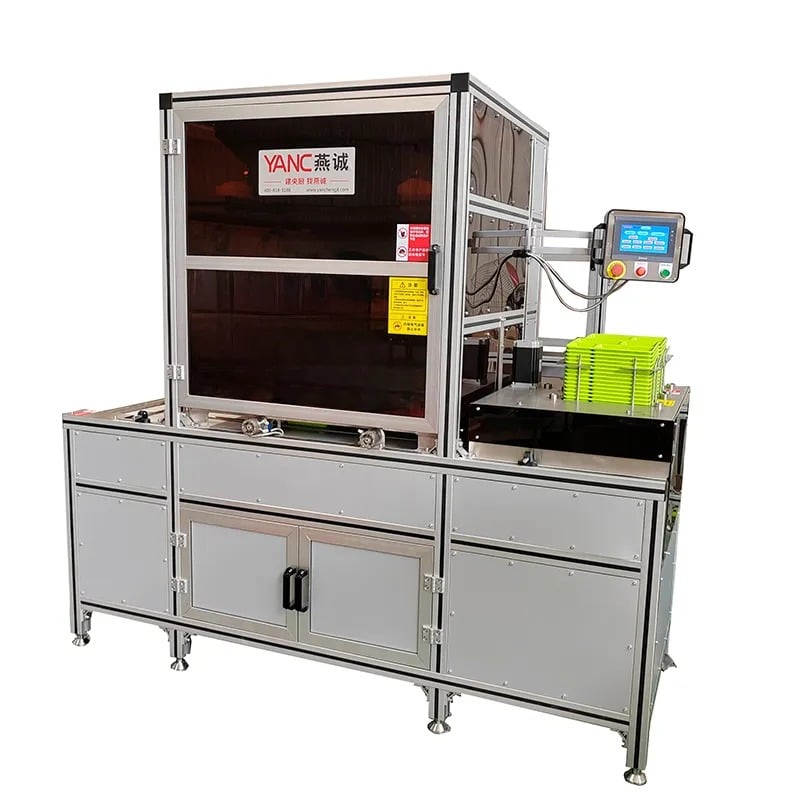
Modern food production demands equipment that combines durability with exceptional hygiene standards. The teflon-coated rice food processing machine represents a significant advancement in how facilities handle grain while maintaining the highest safety protocols. This specialized food processing machine offers manufacturers a reliable solution for processing rice without contamination risks, making it essential for operations that prioritize both product quality and worker safety. Understanding how this food processing machine functions and why teflon coating matters can transform your facility's efficiency and compliance posture.
Teflon coating technology in a food processing machine delivers measurable advantages beyond basic functionality. The non-stick surface prevents rice from adhering to internal components, reducing product loss and simplifying maintenance protocols. For food processors managing high-volume production, this food processing machine eliminates downtime associated with cleaning buildup and ensures consistent output quality. The investment in teflon-coated technology reflects a commitment to operational excellence and regulatory compliance that modern food businesses require.
Why Teflon Coating Matters in Food Processing Equipment
Non-Stick Performance and Product Integrity
The primary advantage of a teflon-coated food processing machine lies in its non-adhesive surface properties. When rice or other grains contact teflon coating, they simply slide through without sticking, which means your food processing machine maintains consistent throughput and minimizes product degradation. Traditional steel components can accumulate grain residue over time, creating blockages and requiring frequent interruptions. A quality food processing machine with teflon coating eliminates these complications, allowing operators to maintain steady production schedules without unexpected shutdowns or manual interventions.
Enhanced Sanitation and Food Safety
Food safety regulators increasingly demand equipment that supports rigorous sanitation protocols. A teflon-coated food processing machine provides a surface that resists bacterial colonization and pathogen adherence, essential for meeting HACCP and other food safety standards. The smooth, non-porous nature of teflon means cleaning solutions can effectively reach all contact surfaces, and residual moisture dries quickly. This food processing machine design significantly reduces cross-contamination risks between production batches, protecting both product integrity and consumer health. Facilities using this food processing machine technology report faster sanitation cycles and lower microbiological contamination rates compared to conventional equipment.
Operational Benefits and Efficiency Gains
Reduced Maintenance Requirements
Operating costs associated with equipment maintenance represent a substantial portion of production expenses. A teflon-coated food processing machine reduces unplanned downtime by preventing buildup and wear patterns common in standard machinery. The non-stick surface means rice particles don't accumulate in corners or around moving parts, so your food processing machine requires fewer intensive cleaning sessions. Operators appreciate the simplified maintenance workflow, as the food processing machine's coating resists scratching and degradation even under continuous use. Long-term, this translates to lower labor costs and extended equipment lifespan compared to competing solutions.
Consistent Product Quality and Output
Quality control becomes dramatically easier when using a teflon-coated food processing machine. The uniform treatment of rice grains throughout processing ensures minimal breakage and consistent texture in the final product. Manufacturers report that this food processing machine produces rice with superior appearance grades and fewer damaged kernels. Because the teflon surface doesn't degrade rice quality through friction or accumulation, every batch meets specification standards reliably. This consistency strengthens your market reputation and reduces waste, making your food processing machine a strategic investment in product excellence and customer satisfaction.
Implementation and Selection Considerations
Assessing Your Facility's Needs
Selecting the right teflon-coated food processing machine requires evaluating your production volume, rice varieties, and facility constraints. Consider throughput requirements carefully, as different models of this food processing machine accommodate varying capacities. Your facility's existing infrastructure should match the food processing machine's specifications to ensure seamless integration. Consulting with equipment specialists helps identify which food processing machine configuration best aligns with your operational goals and regulatory environment. Understanding these factors prevents costly mismatches and ensures your investment delivers expected performance improvements.
Maintenance and Long-Term Care
While teflon coating reduces maintenance complexity, proper care ensures your food processing machine performs optimally throughout its service life. Avoid abrasive cleaning tools that can scratch the coating, instead using soft-bristled brushes and approved cleaning solutions. Regular inspections of the food processing machine's teflon surface catch any minor damage early, preventing degradation. Following manufacturer guidelines for lubrication and component replacement maintains the food processing machine's efficiency and hygiene standards. Implementing a preventive maintenance schedule for your food processing machine extends its operational lifespan and preserves its sanitation advantages.
FAQ
What makes teflon coating superior to standard stainless steel in a food processing machine?
Teflon coating outperforms standard stainless steel because it provides a non-stick surface that prevents grain adhesion and eliminates residue buildup. While stainless steel remains durable, teflon-enhanced food processing machine surfaces reduce cleaning time, improve sanitation efficiency, and minimize product loss. The non-porous teflon layer also inhibits bacterial growth more effectively than brushed or polished steel, making your food processing machine a superior choice for food safety-conscious manufacturers.
How does a teflon-coated food processing machine improve sanitation compliance?
Food safety auditors specifically recognize teflon-coated equipment as meeting advanced hygiene standards because the smooth surface allows complete cleaning and drying without moisture traps. Your food processing machine's teflon coating eliminates crevices where pathogens hide, supporting faster validation and higher confidence in contamination prevention. This food processing machine design demonstrates your facility's commitment to food safety principles that regulatory bodies and consumers increasingly demand.
Is a teflon-coated food processing machine cost-effective for small-scale operations?
Yes, even smaller producers benefit from teflon-coated food processing machine technology through reduced downtime and lower maintenance expenses. While initial investment may be slightly higher than conventional equipment, the food processing machine's operational savings accumulate quickly through decreased labor requirements and fewer production interruptions. For any facility prioritizing quality and efficiency, this food processing machine represents excellent value despite its premium positioning.