
 EN
EN
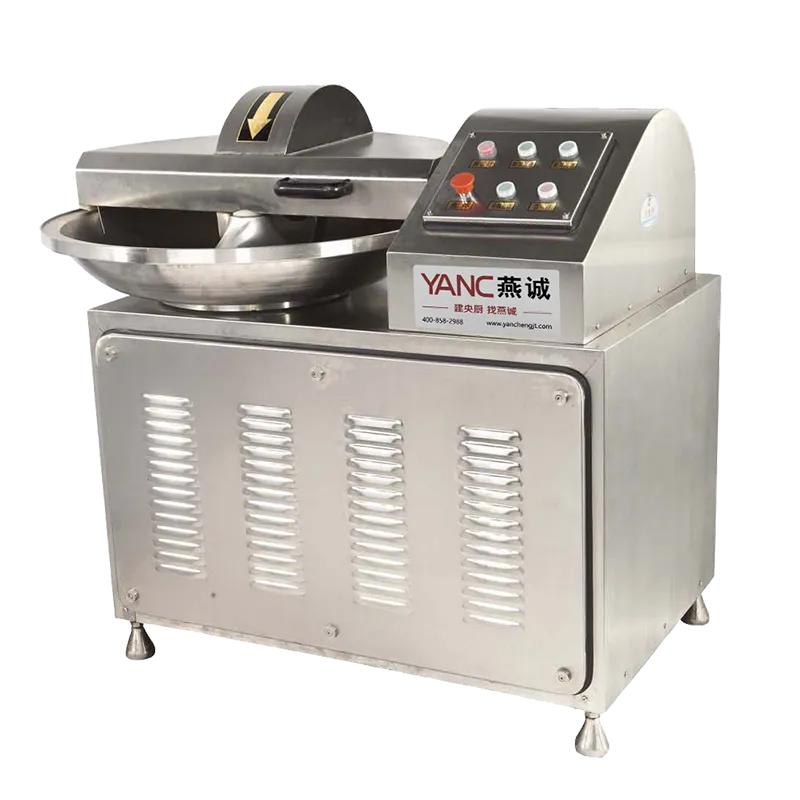
In today’s food processing and commercial kitchen environments, efficiency and consistency are no longer optional. Whether in butcher shops, meat processing plants, catering facilities, or food factories, a meat slicer plays a critical role in daily operations. Modern businesses rely on a meat slicer machine not just for slicing, but for delivering uniform results across a wide range of cutting applications.
This article explores how a meat slicer machine goes far beyond basic slicing, offering versatility, productivity, and precision that directly impact food quality and operational efficiency.
What Is a Meat Slicer Machine?
A meat slicer machine is a mechanical device designed to cut meat into consistent slices, strips, or portions using a rotating blade and adjustable thickness control. Unlike manual cutting, a meat slicer ensures uniform size, clean edges, and repeatable results.
A professional meat slicer is widely used for:
-
Fresh meat slicing
-
Frozen or semi-frozen meat processing
-
Deli meat preparation
-
Industrial food production lines
For B2B buyers, the meat slicer machine is a productivity tool that reduces labor costs while improving output consistency.
From Slices to Strips: One Machine, Multiple Applications
One of the biggest advantages of a modern meat slicer is its versatility. With adjustable settings and blade configurations, a single meat slicer machine can perform multiple cutting tasks.
1. Precision Meat Slices
Traditional slicing remains the core function of a meat slicer. Uniform slices are essential for:
-
Deli meats
-
Hot pot meat rolls
-
Sandwich fillings
-
Processed meat packaging
A meat slicer machine allows operators to adjust thickness accurately, ensuring every slice meets product specifications.
2. Meat Strips for Further Processing
Beyond slicing, a meat slicer can also produce consistent meat strips. These strips are commonly used in:
-
Stir-fry meat products
-
Jerky processing
-
Ready-to-cook meal kits
With proper blade alignment and feeding control, a meat slicer machine transforms bulk meat into uniform strips quickly and safely.
3. Portion Control and Weight Consistency
For commercial food businesses, portion control is essential. A meat slicer supports standardized portioning, helping reduce waste and maintain consistent pricing. Using a meat slicer machine ensures every portion matches required size and weight parameters.
Why Versatility Matters in B2B Meat Processing
For distributors, processors, and food manufacturers, equipment versatility directly affects ROI. A meat slicer that handles multiple cutting styles reduces the need for additional machines.
Reduced Equipment Investment
Instead of purchasing separate machines for slicing and strip cutting, one meat slicer machine can perform both tasks, saving capital investment and floor space.
Higher Production Efficiency
A meat slicer machine significantly improves throughput. Compared to manual cutting, a meat slicer:
-
Increases cutting speed
-
Reduces operator fatigue
-
Ensures consistent output
This makes the meat slicer ideal for high-volume environments.
Consistent Product Quality
Consistency is critical for brand reputation. A meat slicer ensures every slice and strip meets the same standard, improving product presentation and customer satisfaction.
Key Components That Enable Meat Slicer Versatility
The versatility of a meat slicer machine comes from its engineering design. Several core components contribute to performance.
Adjustable Blade System
The blade is the heart of any meat slicer. High-quality meat slicer machines feature:
-
Hardened stainless steel blades
-
Adjustable cutting thickness
-
Smooth rotation for clean cuts
This allows one meat slicer to handle different textures and cutting styles.
Feeding and Guiding Mechanism
A stable feeding system ensures meat passes evenly through the blade. This is especially important when producing strips or thicker cuts using a meat slicer machine.
Safety and Control Features
Modern meat slicers are designed with safety in mind. Emergency stops, blade guards, and stable frames allow operators to work efficiently without compromising safety.
Meat Slicer vs Manual Cutting: A Business Perspective
From a B2B standpoint, replacing manual cutting with a meat slicer machine offers measurable advantages.
| Aspect | Manual Cutting | Meat Slicer Machine |
|---|---|---|
| Speed | Low | High |
| Consistency | Operator-dependent | Uniform |
| Labor Cost | High | Reduced |
| Waste | Higher | Lower |
| Scalability | Limited | Excellent |
For growing businesses, a meat slicer is not just equipment—it is a scalability solution.
Applications Across Industries
A meat slicer machine is widely used across multiple sectors:
-
Meat processing plants
-
Food factories
-
Catering companies
-
Supermarkets and butcher shops
-
Frozen food manufacturers
The adaptability of a meat slicer allows it to serve both small-scale and industrial operations.
Choosing the Right Meat Slicer Machine
When selecting a meat slicer, B2B buyers should consider:
-
Cutting capacity and blade size
-
Suitable meat temperature (fresh or frozen)
-
Output requirements
-
Maintenance and cleaning ease
-
Supplier reliability and after-sales support
The right meat slicer machine should align with production goals, not just price.
Future Trends in Meat Slicer Technology
As food processing evolves, meat slicer machines continue to improve. Current trends include:
-
Higher automation levels
-
Improved hygiene-focused designs
-
Energy-efficient motors
-
Customizable cutting configurations
These innovations further expand what a meat slicer can do, making it an essential tool for modern food businesses.
Conclusion
From thin slices to uniform strips, the versatility of a meat slicer makes it indispensable in today’s food processing industry. A well-designed meat slicer machine improves efficiency, consistency, and product quality, while reducing labor costs and operational complexity.
For B2B buyers seeking reliable, scalable solutions, investing in a high-quality meat slicer is a strategic decision that supports long-term growth and competitiveness.
Table of Contents
- What Is a Meat Slicer Machine?
- From Slices to Strips: One Machine, Multiple Applications
- Why Versatility Matters in B2B Meat Processing
- Key Components That Enable Meat Slicer Versatility
- Meat Slicer vs Manual Cutting: A Business Perspective
- Applications Across Industries
- Choosing the Right Meat Slicer Machine
- Future Trends in Meat Slicer Technology
- Conclusion