
 EN
EN
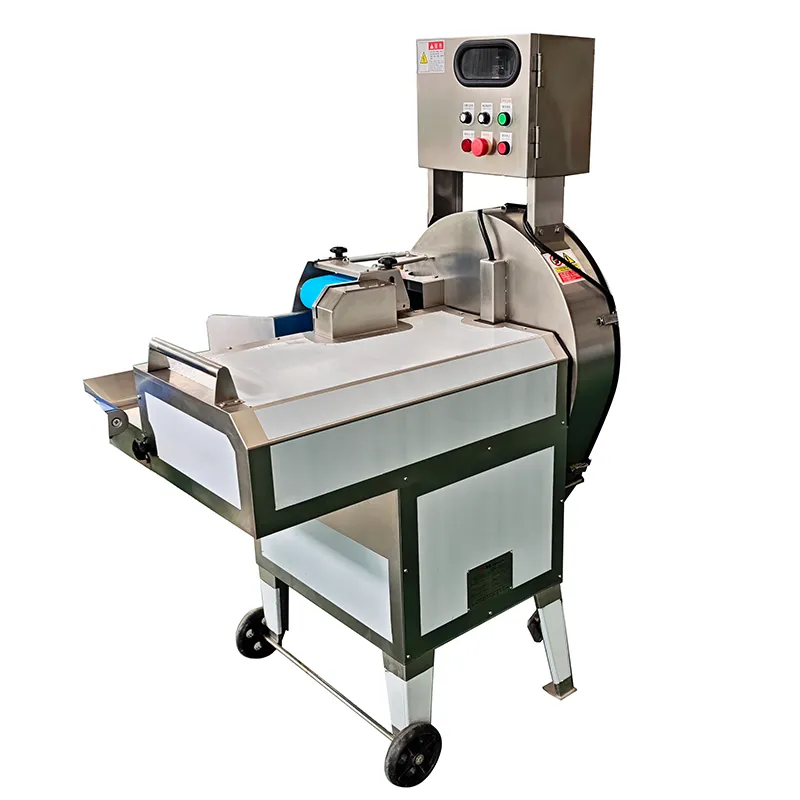
Consistent, High-Volume Output with Precision Vegetable Slicing
Uniform cuts for even cooking, food safety, and professional presentation
Vegetable slicers that cut with millimeter precision make sure food cooks evenly throughout, so no one ends up with those frustrating undercooked bits or burnt edges that can actually be dangerous for diners. According to research from NSF International, when veggies are consistently sized, bacteria stand a much lower chance of surviving the cooking process—something like 72% less risk. Restaurants love this kind of consistency too. When meals look good on the plate, people just automatically think they're better quality, even in places like schools or hospitals where presentation matters a lot. What's really interesting is how automation changes things compared to chopping by hand. Manual slicing always has some variation between pieces, which leads to uneven cooking times and plenty of kitchen accidents. Statistics from OSHA show around 38% of all injuries in food service kitchens come from cutting tools alone.
Versatile vegetable slicer configurations for diverse institutional menus
Today's vegetable slicers handle all sorts of kitchen challenges thanks to their interchangeable blades and adjustable thickness settings that work just as well on tender herbs as they do on tough root vegetables. Kitchen staff don't need to wait long at all when switching between julienne, waffle cut, or batonnet configurations, which makes these machines indispensable for preparing dishes from around the world whether it's for stir fry counters, salad prep areas, or main course service lines. The versatility of these units cuts down on duplicate equipment needs by roughly two thirds compared to having separate machines for each task. They still manage impressive output rates between 800 and 1500 kilograms per hour, something that matters a lot in school cafeterias and hospital kitchens where menus change with seasons but food quality standards stay high throughout.
Labor Efficiency and Operational Cost Savings
Reduced prep time and staff reallocation in canteen workflows
Institutional kitchens often spend around three hours each day on manual veg prep for every staff member. Getting a good quality vegetable slicer really changes things though. Foodservice research shows prep times drop between 60 to 70 percent once these machines come into play. The saved time means workers can focus on other important stuff during busy periods like putting together meals properly, checking quality standards, or helping out at serving stations. When veggies are cut consistently by machine, there's no need to waste precious minutes fixing uneven slices that just won't work. And here's something interesting: cafeterias using these slicers typically manage to serve about 30 percent more meals without hiring extra hands. That kind of boost makes a real difference in how efficiently kitchens operate and opens up some breathing room in the budget department too.
Lower labor costs and improved workplace safety with automated slicing
Labor accounts for over 30% of institutional kitchen operating budgets, and knife-related injuries cost the foodservice industry $740,000 annually (OSHA 2023). Automated slicing addresses both cost and safety imperatives:
| Cost Factor | Manual Process | Machine Solution |
|---|---|---|
| Labor Hours | 2 FTEs per 100kg vegetables | 0.5 FTE per 100kg vegetables |
| Injury Risk | 15% annual incident rate | <2% annual incident rate |
| Training Expenses | $1,200/employee | $300/operator |
When kitchens cut down on how often staff handle knives directly, they see fewer workers' comp claims and basically stop those annoying repetitive strain injuries from happening. The precision built into modern kitchen tools helps slash food waste too because people make fewer mistakes when cutting ingredients. We're talking about ingredient cost reductions somewhere between 18% and maybe even 22%. All these efficiency gains mean restaurant owners can take those savings and put them back into their business in meaningful ways. Some invest in training programs for their cooks while others go for better equipment that makes everyone's job easier. Plus, all this happens without breaking any of the safety rules set by OSHA or local health departments.
Waste Reduction, Portion Control, and Budget Predictability
Minimized trim loss and precise portioning for institutional budgeting
Vegetable slicers designed for commercial kitchens can cut down on trim waste by about 20% compared to when staff do it manually. This happens because these machines have blades that stay aligned properly and settings that produce consistent slice thicknesses, think around 1/8 inch or 1/4 inch thick pieces. For restaurants dealing with large volumes of vegetables such as potatoes and carrots, this makes a real difference in how much product they actually get to use. Precise slicing also helps kitchen managers measure portions accurately which affects how much food costs go up or down. Plus, knowing exactly what size each slice will be makes it easier to predict how long things take to cook and meet the requirements set out in institutional meal plans. No more second guessing during grocery shopping or trying to figure out how many pounds of veggies to prep for tomorrow's service.
On-demand vegetable slicing to reduce spoilage and over-prep waste
Kitchens that slice veggies right before service see around 30% less waste because they're cutting produce during actual serving times instead of hours ahead of time. The whole 'slice as needed' method really helps stop those cut veggies from turning brown, cuts down on how much fridge space we need, and makes sure we only prepare what's actually going to be served. Looking at the numbers from kitchen operations shows about an 18% drop in food waste when restaurants switch from big batches to making portions on demand. This translates into real money saved each year on buying fresh produce.
Durability, Compliance, and Integration into Institutional Kitchens
Equipment in industrial kitchens needs to handle non-stop action day after day. The best commercial vegetable slicers come with solid stainless steel blades and heavy duty housings that can take on 12 hours plus of continuous slicing without breaking down. These machines also resist rust and wear better than cheaper models, which means restaurants save around 30% on replacements over three years. Meeting NSF/ANSI 8 standards isn't just about paperwork either. The design actually prevents bacteria from hiding in those hard to reach spots between parts where food particles might get stuck. Installation is another plus point. Standardized mounting holes and pre-cut openings let chefs install them right into their current workstations without tearing everything apart. And when connected to restaurant management software, these slicers help track ingredients automatically. Most operators report that this cuts down on workflow interruptions by about two thirds when they first start using the system.
Frequently Asked Questions (FAQ)
Why is precise vegetable slicing important in institutional kitchens?
Precise slicing ensures even cooking, reduces bacteria survival rates, and improves food presentation, which is critical in settings like schools and hospitals.
How do automated vegetable slicers enhance kitchen efficiency?
These slicers reduce prep time by 60-70%, allowing staff to be reallocated to more critical tasks, improving overall efficiency and productivity.
What are the financial benefits of using vegetable slicers in commercial kitchens?
Using vegetable slicers can lower labor costs, decrease food waste, and minimize training expenses, leading to significant cost savings for the establishment.
How do these machines contribute to food safety?
Automated vegetable slicers help cut down on knife handling, reducing injury risks, and the equipment’s precision minimizes food waste and ensures compliance with safety standards.