
 EN
EN
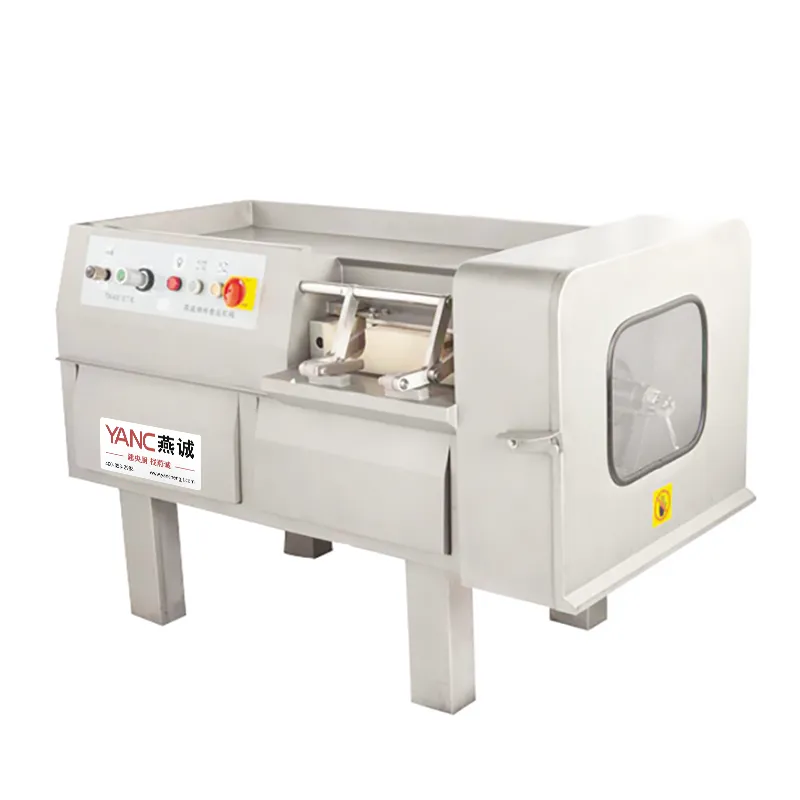
Hygienic Integrity: How Sealed Systems Ensure Compliance and Prevent Contamination in Meat Slicers
Eliminating bacterial ingress: sealed motor and transmission design as a critical food safety barrier
Sealed motor and transmission systems create impenetrable barriers against pathogens in meat processing environments. Unlike exposed components, these fully enclosed units prevent bacterial colonization by:
- Physically isolating lubricants from food contact zones
- Eliminating microscopic crevices where Listeria and Salmonella thrive
- Providing complete moisture resistance during high-pressure washdowns
Industry studies show unsealed slicers harbor 300% more biofilm in drive compartments after cleaning cycles. This hermetic engineering transforms the meat slicer from a reactive cleaning challenge into a proactive contamination control device.
Meeting FDA, USDA, and NSF standards for sanitary meat slicer construction
When it comes to regulatory compliance, sealed designs are pretty much a must have these days. The FDA actually requires equipment to have no places where bacteria can hide according to 21 CFR Part 117 regulations. For ready to eat meat processing plants, the USDA-FSIS wants all components properly sealed. And let's not forget about NSF/ANSI 2 certification which looks at several key factors including absolutely no exposed fasteners or seams, those nice rounded corners with less than half a millimeter between surfaces, plus materials that won't let microbes stick around. All these standards work together to make sure meat slicers can handle regular cleaning with harsh chemicals without rusting or breaking down over time. Food facilities that still use old school open drive units? They tend to get cited way more often during inspections. According to recent 2023 food safety reports, these non compliant setups result in about 74 percent more violations compared to their sealed counterparts.
Operational Reliability: Extended Uptime and Reduced Maintenance in Industrial Meat Slicers
Thermal management and dust/moisture resistance in sealed enclosures for continuous-duty slicing
Motor and transmission systems that are sealed off keep out environmental dirt and grime that would otherwise eat away at internal parts inside. This is really important for meat processing plants that run all day long. The old style open drive slicers get clogged with dust and let in moisture which makes them wear down faster. We've seen this happen time and again where the machines overheat and start corroding from the inside. Modern sealed systems actually have special materials built in to help dissipate heat plus those IP rated protections so they can stay cool under pressure even when running non stop for hours on end. These designs basically block any way for particles to get inside while standing up to harsh cleaning chemicals too. Meat processors need this because their facilities require constant high pressure washing as part of strict sanitation rules, sometimes multiple times per shift.
Field data: 42% lower unplanned downtime and 2.3 longer mean time between failures (MTBF) vs. open-drive meat slicers
Looking at operation stats from around 127 different food processing plants, it turns out that meat slicers with sealed drives experience about 42 percent fewer unexpected shutdowns each year when compared to those old belt driven models. The average time between breakdowns for these machines hits 2,700 hours, which is roughly 2.3 times what we see with open system equipment. Why? Well, basically because the gears inside stay protected from all that messy debris that causes jams, plus the motors themselves don't get damaged so easily by moisture buildup. Plants also notice their maintenance schedules stretch out by about 60 percent while they need to apply lubricant way less often too - down by three quarters actually. All this adds up to some serious cost savings over time, with many facilities reporting they save more than seven hundred forty thousand dollars on labor costs alone according to research done by the Ponemon Institute back in 2023.
Performance Optimization: Gear-Driven vs. Belt-Driven Sealed Transmission Systems in Meat Slicers
Torque delivery, noise reduction, and serviceability trade-offs across sealed drive architectures
Sealed gear transmissions offer around 15 to 30 percent better torque consistency when making dense cuts because the teeth engage directly without the risk of belt slippage during heavy slicing tasks. The helical gear design transfers power very efficiently at about 98%, though it does come with a downside - these systems tend to be significantly louder than belt driven ones, creating roughly 6 to 8 decibels more noise from the friction between meshing gears. Belt driven systems run almost silently but struggle with maintaining precise torque when loads change. Some field tests actually found that cuts on frozen products ended up about 12% thicker with belts. When it comes to service needs, there's a big difference too. Replacing belts takes about 70% less labor time compared to gears, but belts need changing three times as often. For machines running continuously throughout shifts, the extra work required for gear maintenance gets balanced out by the fact that gear systems last about 2.1 times longer between failures according to industry standards.
Future-Ready Advancements: Smart Monitoring and IP69K-Rated Sealed Motor Systems for Modern Meat Slicers
The latest sealed motor systems are changing how meat slicers work, thanks to built-in smart features and better protection against contaminants. These systems have sensors inside their sealed cases that keep tabs on things like motor heat, vibrations, and torque as they happen. When something looks off, it sends warnings so techs can fix problems before machines break down completely. At the same time, these motors come with IP69K ratings which means they handle those intense pressure washes and steam cleanings without issue. No more hiding spots for bacteria in food prep areas. According to recent checks from food safety experts, these improvements cut down on contamination chances and make the equipment last about 35% longer than older models. For restaurants and food processors dealing with strict regulations, this translates into less time waiting for repairs, money saved over years of operation, and staying ahead of USDA requirements for kitchen hygiene standards.
FAQ Section
What are the benefits of using sealed motor systems in meat slicers?
Sealed motor systems offer critical benefits such as preventing bacterial ingress, enhancing food safety, and reducing maintenance efforts. They eliminate microscopic crevices that can harbor bacteria and provide moisture resistance, which is essential during high-pressure washdowns.
How do sealed systems help in meeting regulatory standards?
Sealed systems comply with FDA, USDA, and NSF standards by eliminating places where bacteria can hide, supporting rigorous cleaning procedures, and ensuring longevity under harsh conditions. This dramatically reduces the risk of contamination and regulatory violations.
What is the difference between gear-driven and belt-driven systems in meat slicers?
Gear-driven systems offer better torque consistency and are more durable, but they're noisier and require more demanding maintenance. Belt-driven systems are quieter and easier to service but might not maintain torque as efficiently under changing loads.
Table of Contents
- Hygienic Integrity: How Sealed Systems Ensure Compliance and Prevent Contamination in Meat Slicers
- Operational Reliability: Extended Uptime and Reduced Maintenance in Industrial Meat Slicers
- Performance Optimization: Gear-Driven vs. Belt-Driven Sealed Transmission Systems in Meat Slicers
- Future-Ready Advancements: Smart Monitoring and IP69K-Rated Sealed Motor Systems for Modern Meat Slicers
- FAQ Section