
 EN
EN
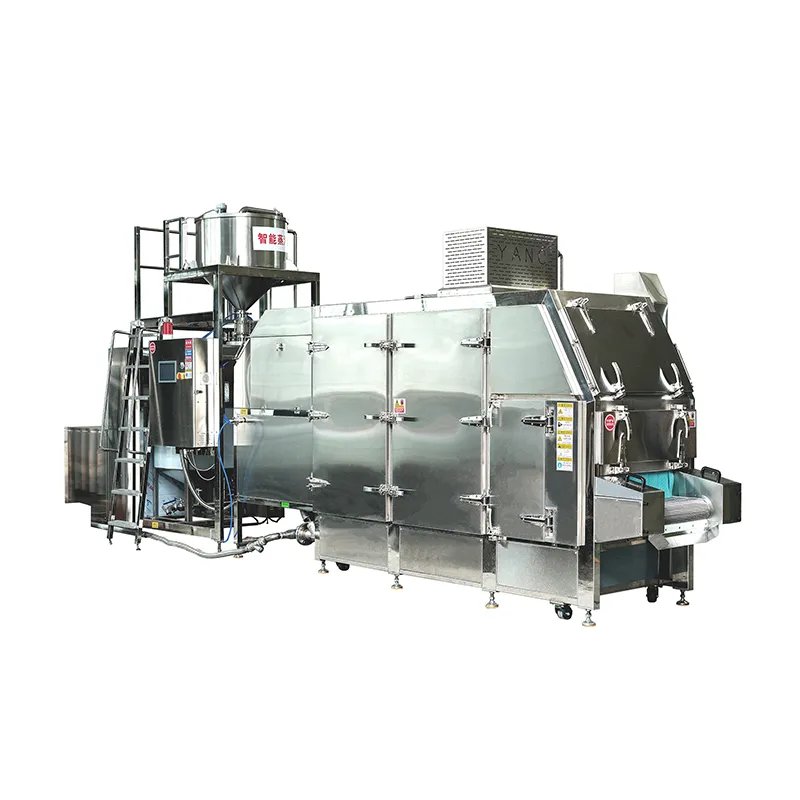
Modern food manufacturing demands solutions that combine speed, precision, and minimal manual intervention. A high-efficiency rice processing machine with automatic box dropping represents a breakthrough in commercial rice production, enabling facilities to scale output while maintaining consistent quality. This advanced equipment integrates cooking, portioning, and packaging functions into a unified workflow that eliminates bottlenecks and reduces labor dependency. For operations handling daily volumes exceeding several thousand servings, the high-efficiency rice processing machine with automatic box dropping transforms production economics by automating tasks that traditionally required multiple operators and separate workstations.
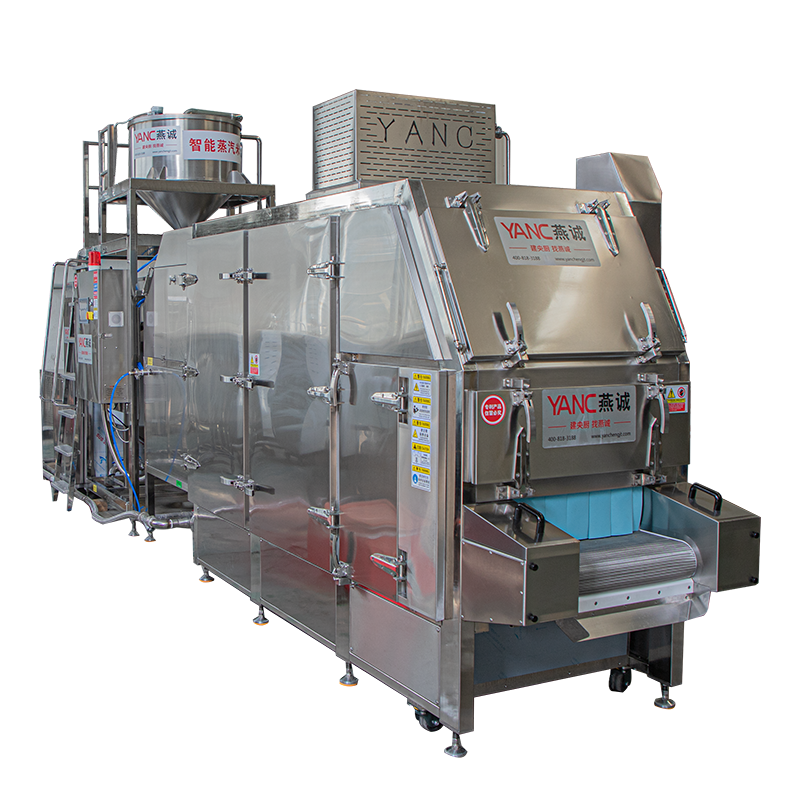
The core advantage of this technology lies in its ability to synchronize cooking cycles with packaging operations. When rice reaches optimal doneness inside steam chambers, the system immediately transfers portions to designated containers and initiates automated box dropping mechanisms. This tight coordination between thermal processing and material handling ensures that product temperature, moisture content, and portion accuracy remain within specification across every production batch. Facilities adopting a high-efficiency rice processing machine with automatic box dropping report throughput improvements ranging from 40% to 70% compared to semi-automated configurations, while simultaneously achieving better consistency in portion weight and presentation standards.
How Automatic Box Dropping Transforms Production Workflow
Synchronized Material Handling in Continuous Operations
Traditional rice production lines require operators to manually position containers beneath discharge points, monitor fill levels, and transfer completed boxes to conveyor systems. A high-efficiency rice processing machine with automatic box dropping eliminates these manual touchpoints by integrating servo-controlled positioning systems that align empty containers with discharge nozzles at precisely timed intervals. Sensors detect container presence and orientation before initiating the fill cycle, preventing spills and ensuring that each box receives the programmed portion weight. This automation extends to post-fill handling, where mechanical arms or pneumatic pushers transfer filled containers onto cooling conveyors or sealing stations without human intervention.
Reducing Contamination Risk Through Enclosed Transfer
Manual handling introduces variability in hygiene compliance, as operator practices and environmental conditions affect product exposure. The high-efficiency rice processing machine with automatic box dropping minimizes this risk by enclosing the entire transfer path from cooking chamber to sealed container. Rice travels through stainless steel chutes and enclosed hoppers that prevent contact with ambient air or surfaces outside the sanitary zone. Automated box dropping mechanisms use clean-room-compatible actuators and food-grade materials that withstand frequent sanitation cycles. This design approach supports compliance with HACCP protocols and reduces the likelihood of biological contamination during high-volume production shifts.
Key Performance Factors in High-Efficiency Rice Processing Systems
Thermal Precision and Energy Recovery
Achieving consistent texture and moisture content across thousands of portions requires precise control over steam pressure, cooking duration, and temperature distribution. A high-efficiency rice processing machine with automatic box dropping incorporates multi-zone heating elements and programmable logic controllers that adjust thermal input based on real-time feedback from embedded temperature probes. Energy recovery systems capture waste heat from exhaust steam and redirect it to preheat incoming water supplies or maintain ambient temperatures in staging areas. This closed-loop thermal management reduces utility consumption by 20% to 35% compared to single-pass heating architectures, directly lowering operating costs while maintaining production speed.
Portion Accuracy and Waste Minimization
Profitability in contract food manufacturing depends on minimizing ingredient waste while meeting customer portion specifications. The high-efficiency rice processing machine with automatic box dropping uses load cells and volumetric sensors to verify that each container receives the target weight within a tolerance of plus or minus two grams. When deviations occur, the system automatically adjusts dispensing valve opening duration or triggers alerts for operator review. This real-time feedback loop prevents systematic over-portioning that erodes margins and reduces giveaway costs that accumulate across millions of servings annually. Facilities report waste reduction of 3% to 5% after implementing automated portion control, translating to significant savings in raw material procurement budgets.
Operational Advantages for Medium and Large-Scale Facilities
Labor Reallocation and Skill Requirements
Automating box dropping and material handling allows production managers to redeploy workers from repetitive manual tasks to quality assurance, equipment maintenance, and process optimization roles. A high-efficiency rice processing machine with automatic box dropping typically requires one operator to oversee multiple parallel lines, compared to three or four workers needed for equivalent manual throughput. This shift reduces direct labor costs while elevating the skill profile of the production team, as operators focus on interpreting performance data, adjusting process parameters, and troubleshooting automation components rather than performing physical handling tasks.
Scalability and Multi-Product Flexibility
Growth strategies in food manufacturing often involve expanding capacity or diversifying product offerings. The high-efficiency rice processing machine with automatic box dropping supports both scenarios through modular architecture and programmable recipe management. Facilities can add cooking chambers or parallel packaging lines without redesigning core infrastructure, enabling incremental capacity increases that match demand growth. Recipe parameters for different rice varieties, portion sizes, and container types are stored in the control system and recalled via touchscreen interfaces, allowing rapid changeover between production runs. This flexibility helps manufacturers respond to seasonal demand fluctuations and customer-specific requirements without investing in dedicated equipment for each product variant.
FAQ
What production volumes justify investing in a high-efficiency rice processing machine with automatic box dropping?
Facilities producing more than 1,500 servings per hour or operating multiple shifts daily typically achieve return on investment within 18 to 24 months. The high-efficiency rice processing machine with automatic box dropping delivers the greatest economic benefit when labor costs, product consistency requirements, and throughput targets align with automation capabilities. Smaller operations may find semi-automated systems more cost-effective unless they face severe labor shortages or stringent quality specifications that manual processes cannot reliably meet.
How does automatic box dropping integrate with existing packaging and labeling equipment?
The high-efficiency rice processing machine with automatic box dropping uses industry-standard conveyor interfaces and communication protocols compatible with downstream sealing machines, labelers, and case packers. Integration typically involves synchronizing discharge timing with conveyor speed and configuring handshake signals between the rice processing system and packaging line controllers. Most installations require minimal custom engineering, as equipment manufacturers design these systems for plug-and-play connectivity with common packaging platforms used in food manufacturing environments.
What maintenance routines are critical for sustaining high uptime with automated rice processing systems?
Daily sanitation of product contact surfaces and weekly inspection of mechanical actuators, sensors, and steam valves prevent most unplanned downtime. The high-efficiency rice processing machine with automatic box dropping benefits from predictive maintenance programs that monitor actuator cycle counts, valve seal integrity, and conveyor belt tension. Quarterly lubrication of drive components and annual calibration of load cells and temperature probes ensure measurement accuracy and mechanical reliability. Facilities maintaining disciplined preventive maintenance schedules report equipment availability exceeding 95% across multi-year operating periods.
Table of Contents
- How Automatic Box Dropping Transforms Production Workflow
- Key Performance Factors in High-Efficiency Rice Processing Systems
- Operational Advantages for Medium and Large-Scale Facilities
-
FAQ
- What production volumes justify investing in a high-efficiency rice processing machine with automatic box dropping?
- How does automatic box dropping integrate with existing packaging and labeling equipment?
- What maintenance routines are critical for sustaining high uptime with automated rice processing systems?