
 EN
EN
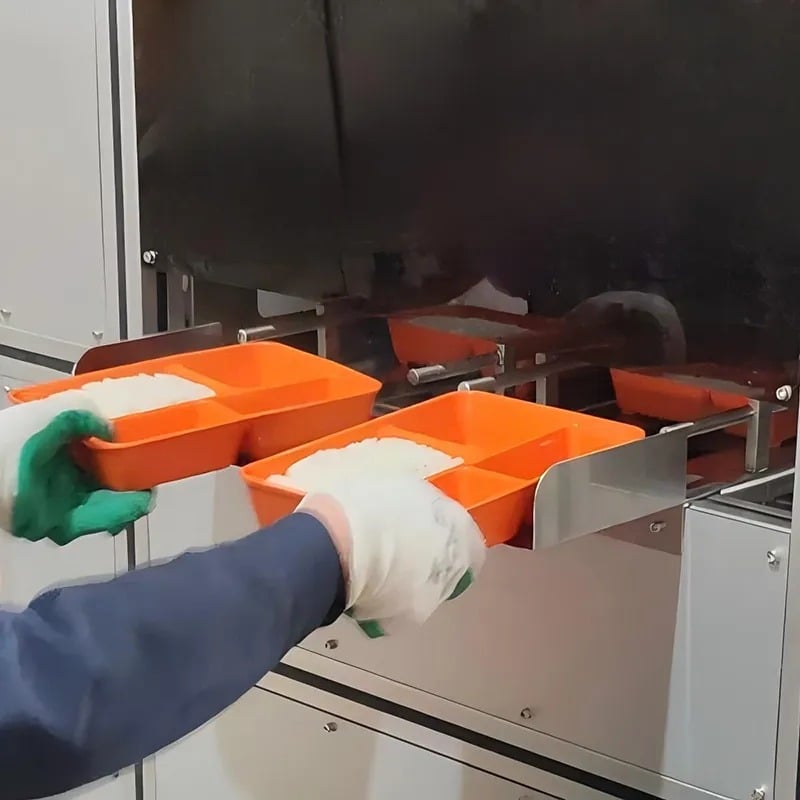
A rice portioning machine is one of the most practical investments a food service operation can make when consistency and speed are both non-negotiable. Whether you run a restaurant, a catering kitchen, a school cafeteria, or a large-scale food production facility, a rice portioning machine removes the guesswork from every single serving. It standardizes output, reduces waste, and keeps your workflow running without unnecessary interruption. In a competitive food industry, precision is not a luxury — it is a baseline requirement, and a rice portioning machine delivers exactly that.
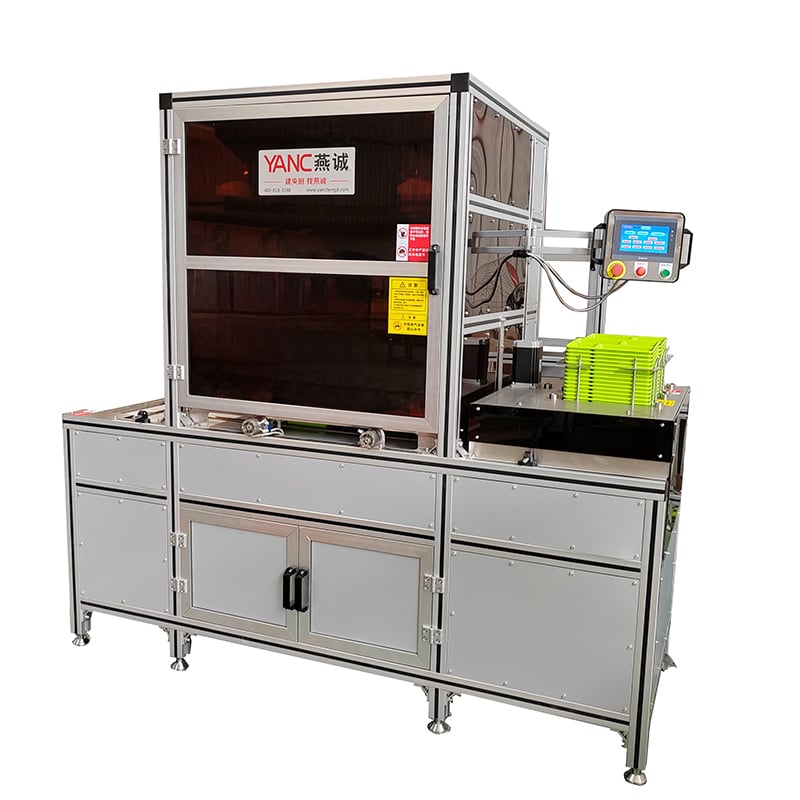
The demand for a reliable rice portioning machine has grown significantly across food service and food manufacturing sectors. Operators who previously relied on manual scooping have discovered that a rice portioning machine not only saves labor time but also directly improves portion control accuracy. When customers receive consistent servings every time, satisfaction increases and food cost management becomes far more predictable. A rice portioning machine is no longer a niche piece of equipment — it is a core operational tool for any kitchen that serves rice at volume.
How a Rice Portioning Machine Works
The Core Dispensing Mechanism
A rice portioning machine operates by receiving cooked rice into a hopper or holding chamber and then dispensing a pre-set portion through a controlled release system. Most designs use a compression-and-release mechanism or a rotating drum to shape and portion the rice into uniform servings. The rice portioning machine can be configured to produce round rice balls, rectangular blocks, or loose measured portions depending on the application. This flexibility makes the rice portioning machine suitable for bento box assembly lines, sushi production, rice bowl restaurants, and institutional catering environments.
Portion Size Control and Adjustment
One of the defining advantages of a rice portioning machine is its adjustable portion control. Operators can set a specific gram weight per portion, and the rice portioning machine will reproduce that weight repeatedly with minimal deviation. This level of control is impossible to achieve manually at high throughput. A high-quality rice portioning machine typically allows portion adjustments through a digital interface, making it simple to shift between serving sizes without disassembling the unit. The rice portioning machine therefore adapts to changing menu requirements without causing downtime.
Why Accuracy Matters in Rice Portioning
Food Cost and Waste Reduction
When a rice portioning machine delivers the same gram weight every time, food cost calculation becomes straightforward and reliable. Manual portioning tends to vary by five to fifteen percent per serving, which accumulates into significant over-portioning costs over a week or a month. A rice portioning machine eliminates that variance. By using a rice portioning machine, kitchens can accurately forecast rice consumption, reduce overcooked batches, and minimize end-of-service waste. The financial return from a rice portioning machine often becomes visible within the first few months of consistent operation.
Consistency for Customer Experience
Customers notice when serving sizes vary, and inconsistency in portioning can damage trust in a food brand. A rice portioning machine ensures that every customer at every service point receives the same portion, regardless of which staff member is operating the line. This consistency is particularly important for multi-location food businesses where brand standards must be replicated across different kitchens. A rice portioning machine acts as the physical enforcer of your portioning standard, removing human variation from the equation entirely.
Choosing the Right Rice Portioning Machine
Output Capacity and Speed
When selecting a rice portioning machine, output capacity is one of the first specifications to evaluate. A rice portioning machine designed for a small restaurant kitchen may produce fifty to one hundred portions per minute, while an industrial rice portioning machine built for food manufacturing can exceed several hundred portions per minute. Matching the rice portioning machine capacity to your actual throughput requirements prevents both bottlenecks and unnecessary capital expenditure. Always assess peak service demand before committing to a specific rice portioning machine model.
Hygiene, Maintenance, and Material Standards
A rice portioning machine that contacts food must meet appropriate hygiene standards. Look for a rice portioning machine constructed with food-grade stainless steel contact surfaces that are easy to disassemble, clean, and sanitize. The rice portioning machine should have minimal dead zones where rice can accumulate and harbor bacteria. Ease of daily cleaning directly affects how consistently staff will maintain the rice portioning machine between shifts. A well-designed rice portioning machine will have tool-free disassembly for its key components, reducing cleaning time and supporting food safety compliance in your kitchen environment.
Integration with Existing Kitchen Workflow
A rice portioning machine should fit naturally into your existing production line rather than creating new friction. Consider whether the rice portioning machine can be positioned at the correct ergonomic height for your staff, whether it connects to upstream rice cooking equipment, and whether it can be operated by one person or requires dedicated staffing. A compact rice portioning machine that integrates smoothly into your counter or line setup will see much higher utilization than one that requires workflow redesign. The practical placement of a rice portioning machine is often as important as its technical specifications.
FAQ
What types of rice are compatible with a rice portioning machine?
Most models of rice portioning machine are optimized for short-grain or medium-grain cooked rice that has sufficient stickiness to hold a portion shape. Some rice portioning machine designs can also handle long-grain rice varieties when set to loose-portion mode rather than formed-shape mode. It is advisable to check the rice portioning machine specifications and run trials with your specific rice variety before committing to full production use.
How often does a rice portioning machine need maintenance?
A rice portioning machine should be cleaned thoroughly after every service session to prevent rice residue from hardening on the dispensing surfaces. Beyond daily cleaning, a rice portioning machine typically requires periodic lubrication of mechanical parts and inspection of the dispensing mechanism every few weeks depending on usage intensity. Following the manufacturer maintenance schedule for your rice portioning machine will extend its operational lifespan and maintain portion accuracy over time.
Can a rice portioning machine handle other grains beyond rice?
Some models of rice portioning machine are versatile enough to handle other cooked sticky grains such as glutinous millet or grain blends used in Asian cuisine. However, a rice portioning machine is specifically calibrated for the texture and moisture content of cooked rice, so performance with other grains may vary. Always consult the rice portioning machine technical documentation or contact the manufacturer to confirm grain compatibility before expanding beyond standard rice applications.