
 EN
EN
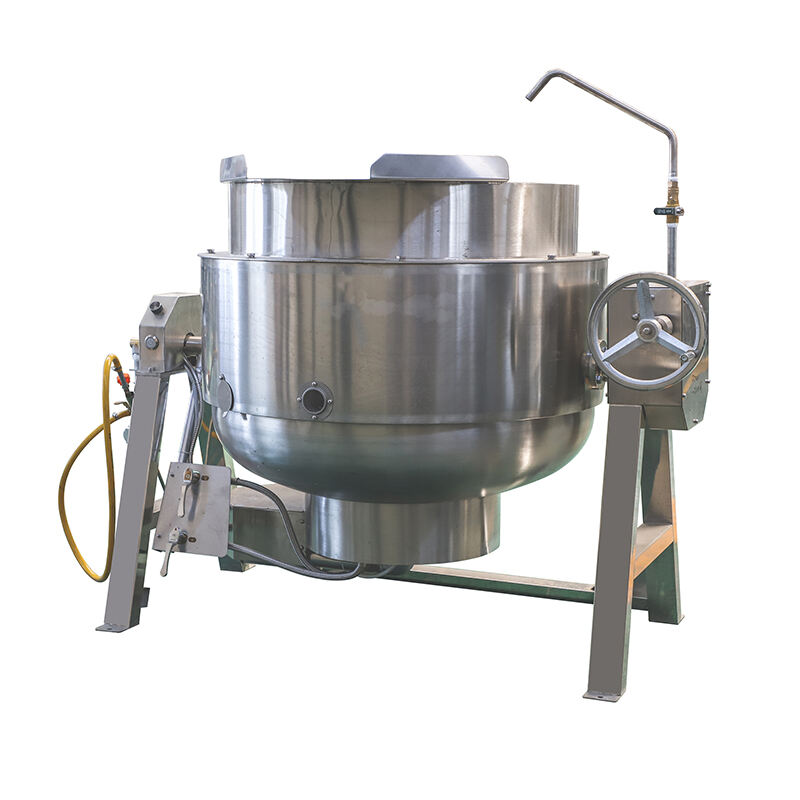
The Evolution and Growing Demand for Automatic Rice Cooker Machines
Rising Need for High-Volume Rice Cooking in Commercial Operations
Worldwide rice consumption hit around 738 million metric tons back in 2026 according to FAO data, which has pushed many commercial kitchens and food processing plants toward investing in those big industrial automatic rice cooker machines. For large scale operations making over 5,000 meals each day, they really need equipment capable of handling at least 15,000 pounds per hour just to keep up with orders without constantly breaking down. The numbers show something interesting too: compared to old fashioned batch cooking methods, these automated systems cut down on wasted rice from being either undercooked or overcooked by about 22 percent when running at full capacity in busy production settings.
How Automation Is Transforming Traditional Rice Processing
Leading manufacturers now integrate PLC (Programmable Logic Controller)-controlled systems that automate:
- Water-to-rice ratio calibration (±0.5% accuracy)
- Multi-stage temperature modulation (steaming, simmering, cooling)
- Batch scheduling synchronized with meal prep timelines
This shift eliminates variability in traditional methods, where manual errors caused 14% yield loss in conventional kitchen setups.
IoT and Smart Controls: The Future of Industrial Rice Cooking Systems
Fourth-generation rice cookers feature IoT-enabled predictive maintenance, with sensors tracking:
Cloud-connected models now self-adopt cooking protocols for emerging rice varieties like hybrid basmati in 45 seconds.
Case Study: Adoption in Asian Centralized Kitchen Facilities
One meal kit company based in Seoul managed to cut their labor costs by around 40% after setting up eight new automated rice cooking lines that handle about 28 tons each day. What really made a difference was the cooling conveyors built into the system, which let them move cooked rice straight to packaging without stopping. This slashed production time dramatically—from 90 whole minutes down to just 22 minutes per batch. Looking at the bigger picture, most East Asian companies making ready-to-eat meals have adopted similar setups these days. Industry reports suggest that demand for automated rice processing equipment is growing steadily at about 7.3% annually, with experts predicting this trend will continue through 2030.
Core Features of Industrial Automatic Rice Cooker Machines
Modern industrial automatic rice cooker machines combine advanced engineering with culinary precision to meet the rigorous demands of large-scale food production. These systems are designed to optimize cooking consistency, energy use, and operational scalability while minimizing labor reliance.
High-Capacity Cooking Technologies (Up to 15,000 PPH) for Mass Production
The industrial versions of these machines handle around 15,000 portions each hour thanks to their multiple cooking stages and built-in steam injection features. For large scale operations like airport catering, school cafeterias, or those big meal prep companies that need constant output, this kind of capacity really makes a difference. Batch cooking just doesn't cut it there since it creates all sorts of delays in production. What's interesting is how compact these systems are too. One unit actually replaces what would normally take 12 separate cookers, and they manage to do this while taking up only about 22% of the floor space required by traditional equipment according to FoodTech Quarterly from last year.
Uniform Cooking and Cooling for Consistent Rice Quality
Precision temperature sensors and horizontal airflow cooling ensure every grain reaches optimal texture. By maintaining ±1.5°C uniformity during cooking and rapid three-stage cooling, these systems reduce undercooked or overcooked waste by up to 40% compared to manual methods.
Precise Programmable Controls for Diverse Rice Types and Recipes
Programmable Logic Controllers (PLCs) store more than 50 preset cycles tailored to jasmine, basmati, sushi, or brown rice. Operators adjust water ratios, steam pressure, and soak times via touchscreen interface, enabling same-day shifts between sticky rice for desserts and parboiled grains for ready meals.
Energy-Efficient and Low-Maintenance Design for Sustainable Operation
Regenerative heat exchangers recycle 65% of steam exhaust to preheat incoming water, cutting energy use by 30% versus traditional boilers. Self-descaling nozzles and robotic brush systems reduce daily cleaning labor by eight hours per month while extending component lifespans.
Operational Benefits of Continuous Rice Cooking Systems
Transition from Batch to Continuous Processing in Commercial Kitchens
Commercial kitchens these days are moving away from old school batch cooking techniques toward continuous processing automatic rice cookers as customer demand keeps climbing. The new systems run nonstop, churning out around 15 thousand pounds of rice each hour without needing anyone to constantly reload them. Traditional batch methods required someone on hand every hour or so, but these continuous flow machines keep things running smoothly with temperatures right around 98 to 100 degrees Celsius and moisture levels staying within about plus or minus 2 percent throughout their operation. Most restaurants find they can stay open longer and serve more customers without breaking a sweat thanks to this kind of setup.
Integration with Conveyor and Cooling Lines for Seamless Workflow
Modern industrial rice cookers work hand in hand with what happens after the cooking is done, thanks to smart conveyor belts that move things along automatically. Once the rice is cooked, it goes straight into special cooling tunnels where the temperature drops dramatically from around 85 degrees Celsius down to a much safer 25 degrees within just 8 to 12 minutes. These tunnels also keep the air inside at about 62 to 65 percent humidity so the grains don't dry out during this quick cooldown period. What makes all this really important for food safety? Well, because there's so little need for workers to touch the rice directly, contamination rates drop significantly. According to a study published in Food Safety Journal back in 2022, facilities using these automated systems saw their risk of contamination fall by nearly three quarters when compared to places still relying on people moving hot rice around manually.
Maximizing Uptime with Self-Cleaning and Automated Maintenance
Top tier continuous rice cookers come equipped with self cleaning features that use steam at around 120 degrees Celsius for about 15 to 20 minutes, plus automatic descaling functions. These machines have programmable logic controllers that actually warn technicians when parts start showing signs of wear, so breakdowns happen less often. Factory tests show these alerts reduce unexpected stoppages by roughly 40 something percent. Most maintenance work these days doesn't even need special downtime anymore. Around 9 out of 10 routine jobs like changing filters or adjusting sensors can fit right into regular maintenance windows without disrupting production schedules.
Case Study: 24/7 Ready-Meal Production Line Efficiency Gains
A Southeast Asian centralized kitchen retrofitted its facility with continuous rice cooking systems, achieving:
The upgrade eliminated three shift changes while maintaining ISO 22000 compliance across 380+ daily production runs.
Labor and Cost Efficiency Through Automation
Modern automatic rice cooker machines are revolutionizing commercial kitchens by strategically balancing workforce optimization with technological precision. With labor costs accounting for 32% of operational expenses in food processing facilities (SIS Automations 2023), these systems deliver measurable efficiency gains through three key mechanisms.
Reducing Labor Dependency and Human Error with PLC-Controlled Systems
Programmable Logic Controller (PLC) systems eliminate manual intervention in rice washing, soaking, and cooking cycles. A recent automation case study revealed food production facilities reduced staffing needs by 40% while achieving 99.7% cooking consistency through automated moisture sensors and recipe presets.
Quantifying ROI: Lower Waste, Less Re-cooking, and Energy Savings
Industrial rice automation demonstrates 18-month payback periods through:
- 34% less overcooked batches via thermal uniformity controls
- 27 kWh/ton energy reduction through optimized steam management
- 6:1 production-to-staff ratio versus manual operations
Independent analysis shows facilities processing 50+ tons daily save $216,000 annually in labor and waste mitigation (RINF Technologies 2023).
Balancing Automation and Skilled Workforce Needs in Commercial Kitchens
While automated rice cookers handle 83% of repetitive tasks, operators now focus on quality oversight and predictive maintenance. Leading facilities report 22% higher employee retention after transitioning staff to equipment programming and data analysis roles—proving smart automation complements rather than replaces human expertise.
FAQ
What is the main benefit of automatic rice cooker machines?
Automatic rice cooker machines optimize cooking consistency, decrease labor reliance, and enhance energy efficiency, making them suitable for large-scale food production operations.
How do automatic rice cookers help reduce waste?
These systems minimize waste by maintaining uniform cooking temperatures and moisture levels, reducing the occurrence of undercooked or overcooked batches.
What technological features are integrated into modern industrial rice cookers?
Modern industrial rice cookers integrate PLC controls, IoT-enabled predictive maintenance, cloud connectivity for recipes, and energy-efficient design elements.
Can automatic rice cookers handle different types of rice?
Yes, they feature programmable controls allowing operators to adjust settings for various rice types like jasmine, basmati, sushi, and brown rice.
How do continuous rice cooking systems benefit commercial kitchens?
Continuous rice cooking systems enhance workflow efficiency by reducing manual involvement, improving cooking consistency, and minimizing contamination risks.
Table of Contents
- The Evolution and Growing Demand for Automatic Rice Cooker Machines
- Core Features of Industrial Automatic Rice Cooker Machines
- Operational Benefits of Continuous Rice Cooking Systems
- Labor and Cost Efficiency Through Automation
-
FAQ
- What is the main benefit of automatic rice cooker machines?
- How do automatic rice cookers help reduce waste?
- What technological features are integrated into modern industrial rice cookers?
- Can automatic rice cookers handle different types of rice?
- How do continuous rice cooking systems benefit commercial kitchens?