
 EN
EN
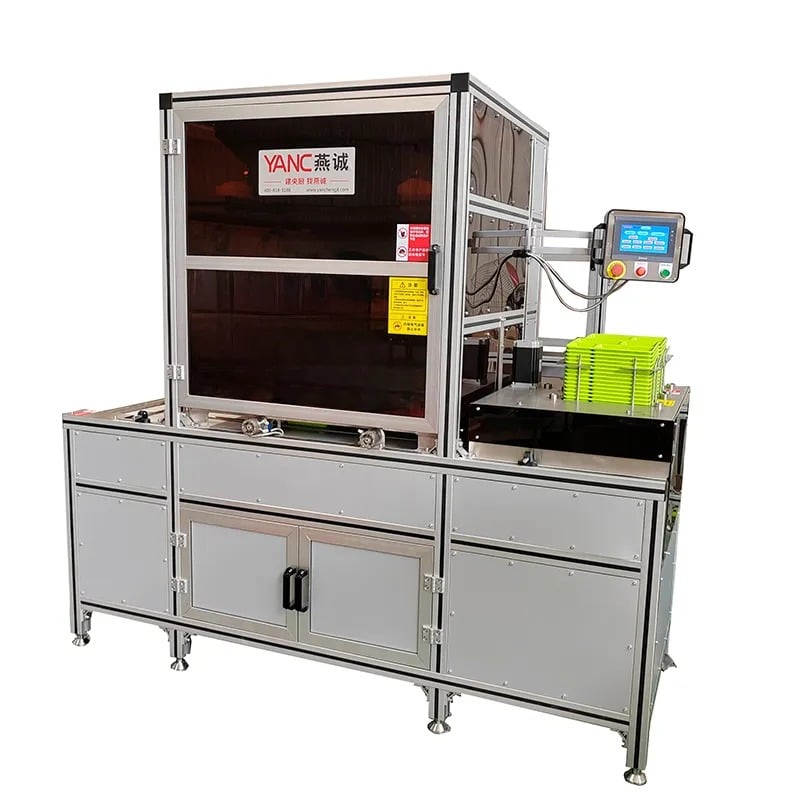
A rice portioning machine has become an essential piece of equipment in modern food production facilities. Whether you operate a restaurant chain, a meal-prep kitchen, or an industrial catering operation, consistent and accurate rice portioning is critical to controlling food costs and maintaining product quality. A rice portioning machine with automatic lifting and easy weight adjustment takes this capability to a higher level by combining mechanical precision with operator-friendly controls.
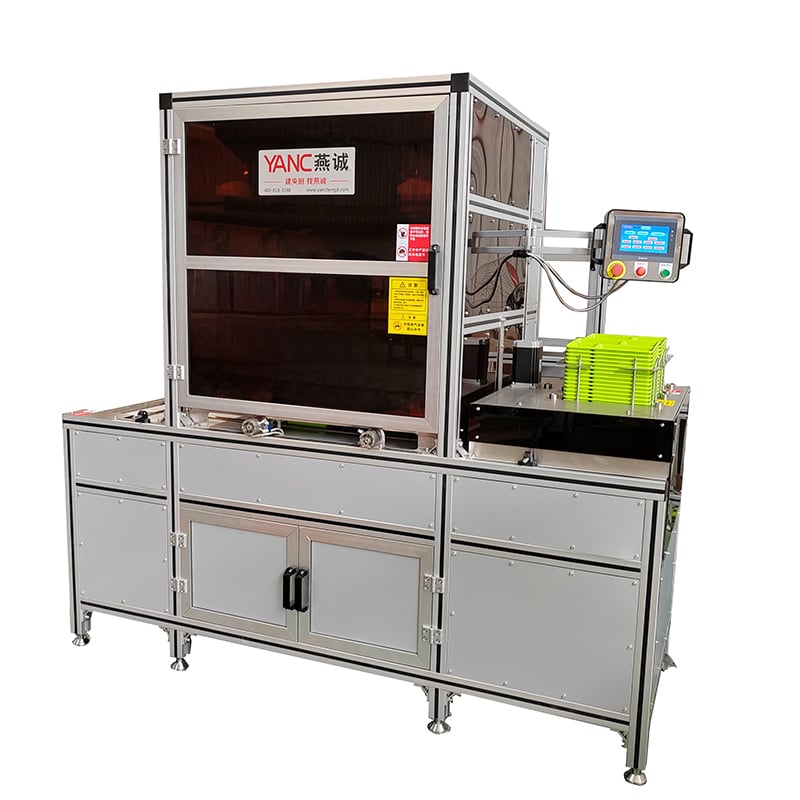
This article explores what makes a rice portioning machine with these two specific features stand out in commercial food environments. It covers how automatic lifting works, why weight adjustment flexibility matters, and what operational benefits you can expect. If you are evaluating whether this type of rice portioning machine fits your workflow, the following breakdown will help you make an informed decision.
Automatic Lifting Mechanism in a Rice Portioning Machine
How Automatic Lifting Works
The automatic lifting function in a rice portioning machine refers to the motorized or pneumatic system that raises the portioned rice block from the compression chamber and positions it for discharge or packaging. In a traditional manual setup, operators must physically retrieve each rice portion, which slows throughput and introduces inconsistency. A rice portioning machine with built-in automatic lifting removes this manual step entirely, allowing the machine to cycle through portioning and ejection automatically without operator intervention.
In practical terms, each cycle of the rice portioning machine compresses rice into a defined shape, then the lifting mechanism elevates the formed portion upward for smooth release. This motion is timed precisely so that the rice portioning machine maintains a steady output rhythm. The result is a more hygienic process because human contact with each portion is minimized, and a faster line speed because the machine does not wait for manual handling.
Benefits of Lifting Automation for Production Lines
When you integrate a rice portioning machine with automatic lifting into a high-volume kitchen or production facility, the impact on efficiency is immediate. Operators no longer need to stand beside the rice portioning machine at every cycle, freeing them to handle packaging, quality checks, or adjacent tasks. The rice portioning machine becomes a semi-autonomous station rather than a labor-intensive one. For facilities running multiple shifts, this reduction in hands-on involvement per unit also lowers the risk of repetitive strain injuries among staff.
A rice portioning machine with reliable automatic lifting also reduces the rate of mishandled or deformed portions. Because the ejection motion is consistent, each rice portion exits the rice portioning machine in the same orientation and condition, which matters greatly for presentation in bento boxes, meal kits, or retail packaging. Consistent portion shape directly supports brand standards and customer satisfaction.
Easy Weight Adjustment on a Rice Portioning Machine
Why Weight Flexibility Is Critical
Not all food service environments serve identical rice portions. A rice portioning machine that allows easy weight adjustment gives operators the flexibility to switch between portion sizes without lengthy downtime or complicated retooling. This feature is particularly valuable for operations that serve multiple meal formats, such as children's meals versus adult portions, or standard servings versus premium rice bowls. The rice portioning machine should accommodate these variations without requiring an entirely different mold or a technician to recalibrate the system.
Easy weight adjustment on a rice portioning machine typically involves a simple dial, digital panel, or slider that changes the fill volume within the compression chamber. As the operator adjusts the setting, the rice portioning machine automatically portions each serving at the new target weight. This means a single rice portioning machine can serve multiple menu requirements throughout the same shift, improving return on investment and reducing the need for multiple machines on the floor.
Accuracy and Consistency Through Adjustable Settings
The true value of easy weight adjustment is not just flexibility but also repeatable accuracy at every new setting. A high-quality rice portioning machine maintains tight portion tolerances even after the operator changes the target weight. Whether you set the rice portioning machine to produce a 150-gram or a 250-gram portion, the deviation between individual portions should remain minimal. This level of precision in a rice portioning machine prevents ingredient waste, supports nutritional labeling accuracy, and protects margin on every meal served.
For food businesses operating under compliance requirements, a rice portioning machine with documented weight accuracy provides traceability and audit support. When portion weight is controlled and consistent, quality assurance teams can verify the rice portioning machine's output against standards without time-consuming manual sampling. The rice portioning machine thus becomes a data point in the broader food safety and quality management system.
Operational Value in Commercial and Industrial Settings
Throughput and Labor Efficiency
A rice portioning machine equipped with automatic lifting and adjustable weight settings significantly raises throughput per labor hour. Compared to manual portioning, a rice portioning machine can process portions at a far higher rate with far less human input. In a busy catering kitchen producing hundreds of meals per hour, deploying a rice portioning machine reduces the number of staff allocated to rice handling while simultaneously improving portion uniformity. The rice portioning machine pays back its investment through accumulated labor savings and reduced food waste over time.
From a hygiene standpoint, the rice portioning machine also reduces direct human contact with food, which aligns with HACCP principles and food safety regulations. Because the rice portioning machine handles compression and lifting mechanically, the risk of contamination associated with manual handling drops considerably. For food production lines that require strict hygiene documentation, a rice portioning machine with these features is a practical compliance asset.
Adaptability Across Food Applications
While the primary use is portioning cooked rice, this type of rice portioning machine can often handle other grain-based or sticky foods with similar physical properties. Operators in sushi production, grain bowl assembly, or institutional catering have found that a rice portioning machine with weight adjustment and automatic lifting adapts well to varying product demands. The rice portioning machine's adjustable parameters allow the same unit to serve different production needs across a single facility, reducing capital expenditure and floor space requirements. This adaptability reinforces the long-term value of investing in a feature-rich rice portioning machine.
FAQ
How fast can a rice portioning machine with automatic lifting operate?
The output speed of a rice portioning machine with automatic lifting depends on the model and configuration, but many commercial units can produce several hundred portions per hour. The automatic lifting cycle is timed to match the compression and discharge sequence of the rice portioning machine, so speed is consistent and does not rely on operator pace.
Can the rice portioning machine handle both short-grain and long-grain rice?
Most rice portioning machine models designed for commercial use can handle various rice types, including short-grain and medium-grain rice commonly used in Japanese and Asian cuisines. Long-grain rice with lower starch content may require moisture adjustment before processing, but a well-configured rice portioning machine can still produce uniform portions with proper settings.
How often does a rice portioning machine need maintenance?
Routine cleaning of a rice portioning machine should occur after every production shift to prevent starch buildup and maintain hygiene standards. Mechanical components, including the lifting mechanism and compression parts, typically require periodic lubrication and inspection. A well-maintained rice portioning machine will deliver consistent performance and a longer operational lifespan.