
 EN
EN
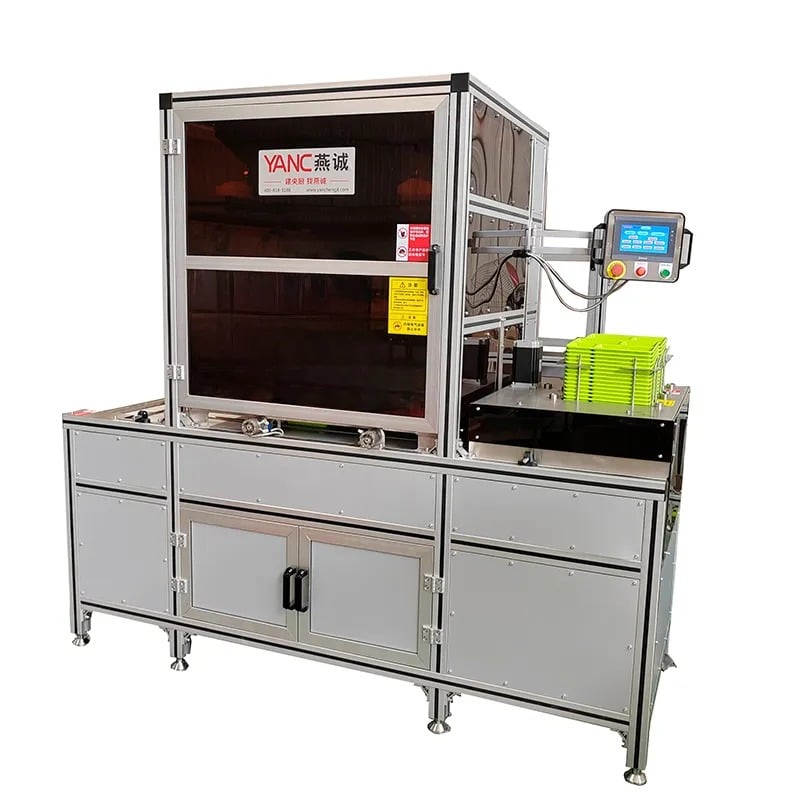
Modern food production demands precision that traditional rice processing machine designs struggle to deliver consistently. Independent motor control represents a fundamental shift in how rice processing machine technology achieves accurate portioning across diverse operational conditions. Unlike conventional systems where a single motor drives all functions, independent motor control allows each critical component of the rice processing machine to operate with dedicated power management, enabling real-time adjustments that maintain portion accuracy even as rice varieties, moisture levels, and production speeds change throughout a shift.
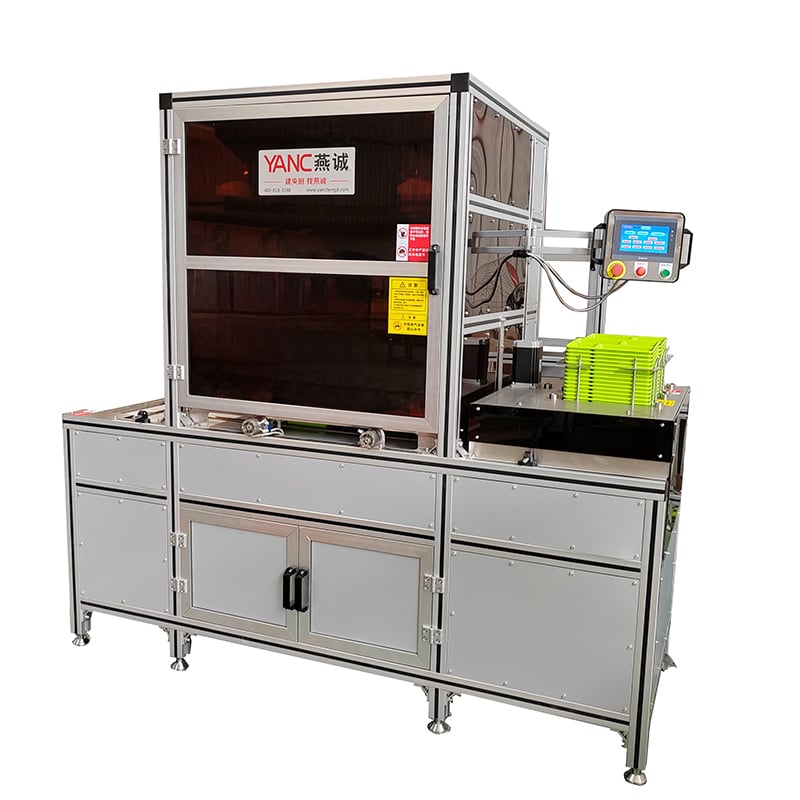
The architecture of independent motor control in a rice processing machine creates measurable improvements in portioning accuracy by eliminating mechanical coupling between dispensing, compacting, and ejection stages. Each motor responds independently to sensor feedback, adjusting torque and speed without affecting other subsystems. This separation prevents the cascading errors common in single-motor rice processing machine configurations, where variations in one function inevitably compromise others, producing portions that drift from target weights as operations continue.
How Independent Motor Control Enhances Portioning Precision
Decoupled Operation Eliminates Cross-Function Interference
A rice processing machine with independent motor control dedicates separate motors to dispensing, compression, and ejection functions. This decoupling means the dispensing motor can maintain consistent rice flow rates regardless of compression force requirements or ejection timing variations. When a single motor drives multiple functions through mechanical linkages, the rice processing machine must compromise between competing needs, accepting reduced accuracy to maintain operational continuity. Independent motors eliminate this compromise entirely.
The dispensing motor in an independent-control rice processing machine adjusts rotational speed based on real-time feedback from weight sensors, compensating for rice density variations without waiting for mechanical adjustments to propagate through gear trains. Compression motors apply consistent forming pressure independent of dispensing speed, ensuring uniform portion density even when the rice processing machine switches between long-grain and short-grain varieties mid-production. Ejection motors time release precisely without being constrained by dispensing or compression cycles.
Real-Time Adjustment Capability Maintains Accuracy Across Conditions
Independent motor control enables the rice processing machine to respond to changing rice characteristics within milliseconds rather than mechanical cycle intervals. When rice moisture content increases during production, the dispensing motor in an independent-control rice processing machine immediately adjusts torque to maintain consistent volumetric flow, while the compression motor simultaneously modifies force to achieve target density. Single-motor rice processing machine designs require manual recalibration or accept accuracy drift until operators intervene.
Temperature changes in the production environment affect rice flowability, but a rice processing machine with independent motor control compensates automatically. Each motor's controller receives temperature data and adjusts operational parameters to maintain portion accuracy without operator input. This adaptive capability proves critical in facilities where ambient conditions fluctuate throughout production shifts, ensuring the rice processing machine delivers consistent portions regardless of external factors.
Operational Advantages Beyond Portioning Accuracy
Reduced Mechanical Wear Extends Equipment Lifespan
Independent motor control reduces mechanical stress throughout the rice processing machine by eliminating the complex gear trains and clutch mechanisms required in single-motor designs. Each motor operates only when its specific function activates, minimizing cumulative wear. A rice processing machine with this architecture experiences fewer component failures because motors run at optimal speeds for their dedicated tasks rather than compromising to accommodate multiple functions through shared mechanical power.
The absence of mechanical coupling in an independent-motor rice processing machine also eliminates vibration transmission between subsystems. Dispensing operations generate different vibration frequencies than compression or ejection functions, and in traditional rice processing machine designs, these vibrations combine destructively, accelerating bearing wear and frame fatigue. Independent motors isolate vibration sources, extending the operational life of the entire rice processing machine assembly.
Simplified Maintenance and Faster Troubleshooting
When a rice processing machine employs independent motor control, maintenance teams can isolate issues to specific subsystems without disassembling mechanical linkages. If dispensing accuracy degrades, technicians test only the dispensing motor and its controller rather than tracing problems through gear trains that couple multiple functions. This diagnostic clarity reduces downtime significantly compared to traditional rice processing machine architectures where symptoms in one area often originate from problems elsewhere in mechanically coupled systems.
Component replacement in an independent-motor rice processing machine requires less specialized training because each motor module operates independently. Technicians replace failed motors without recalibrating timing relationships between mechanically linked components, reducing both labor costs and the technical expertise required for routine maintenance. The rice processing machine returns to production faster after service interventions.
Implementation Considerations for Maximum Accuracy
Sensor Integration Enables Closed-Loop Control
The accuracy benefits of independent motor control in a rice processing machine depend entirely on sensor feedback quality. Weight sensors monitor each portion continuously, feeding data to motor controllers that adjust dispensing speed in real time. Compression force sensors ensure consistent density regardless of rice variety changes, while position sensors coordinate ejection timing with downstream equipment. Without integrated sensors, an independent-motor rice processing machine operates no more accurately than mechanically simpler designs.
Advanced rice processing machine implementations incorporate moisture sensors that signal motor controllers to preemptively adjust parameters before portion accuracy degrades. This predictive approach maintains tighter tolerances than reactive systems that correct errors after detecting weight deviations. The rice processing machine effectively learns optimal motor parameters for each rice variety and environmental condition, storing profiles that accelerate changeover procedures when production switches between products.
Controller Coordination Prevents Subsystem Conflicts
While independent motors eliminate mechanical coupling in a rice processing machine, their controllers must coordinate operations to prevent timing conflicts. Dispensing cannot complete while compression is active, and ejection must wait for compression to release. A rice processing machine control system manages these dependencies through software logic that sequences motor activations while maintaining independent speed and torque control within each operational phase.
The control architecture in a modern rice processing machine implements priority hierarchies that resolve conflicts when operational conditions change unexpectedly. If downstream equipment slows or stops, the rice processing machine controller sequences motor deceleration to prevent rice accumulation or spillage. This coordinated independence delivers accuracy benefits without introducing the operational fragility that can occur when subsystems operate in complete isolation from one another.
FAQ
What accuracy improvements can facilities expect from independent motor control in a rice processing machine?
Facilities typically achieve portion weight consistency within plus or minus one percent of target values across extended production runs when implementing independent motor control in a rice processing machine. Traditional single-motor designs often exceed three percent variation under similar conditions. The improvement stems from each motor's ability to compensate for rice characteristic changes without affecting other functions, maintaining accuracy as moisture content, grain size, and ambient temperature fluctuate during shifts.
Does independent motor control increase energy consumption in a rice processing machine compared to single-motor designs?
Independent motor control in a rice processing machine actually reduces overall energy consumption despite using multiple motors. Each motor operates only during its specific function cycle and runs at optimal efficiency for its dedicated task. Single-motor rice processing machine designs must size motors for peak combined load and run continuously even when some functions are idle. Independent motors also eliminate energy losses in mechanical coupling systems like clutches and gear trains that convert and transmit power between functions.
How does independent motor control affect changeover times when a rice processing machine switches between rice varieties?
Changeover times decrease substantially because the rice processing machine stores motor parameter profiles for each rice variety in its control system. Operators select the appropriate profile, and controllers automatically adjust dispensing speed, compression force, and ejection timing without manual calibration. Single-motor rice processing machine designs require mechanical adjustments to gear ratios or cam profiles during changeovers, adding significant downtime. Independent motor control eliminates these mechanical adjustments, reducing changeover from tens of minutes to under five minutes in most implementations.
Table of Contents
- How Independent Motor Control Enhances Portioning Precision
- Operational Advantages Beyond Portioning Accuracy
- Implementation Considerations for Maximum Accuracy
-
FAQ
- What accuracy improvements can facilities expect from independent motor control in a rice processing machine?
- Does independent motor control increase energy consumption in a rice processing machine compared to single-motor designs?
- How does independent motor control affect changeover times when a rice processing machine switches between rice varieties?