
 EN
EN
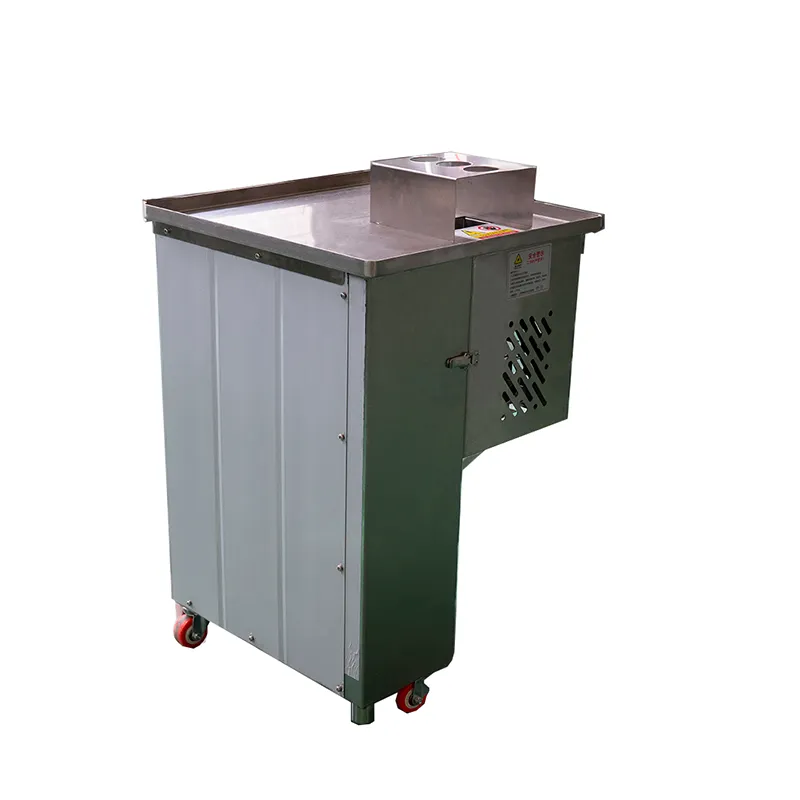
How Industrial Meat Slicers Drive Throughput and Precision in High-Volume Facilities
Throughput benchmarks: Comparing slice rates, uptime, and ROI across fully automatic meat slicer models
High-volume processing facilities rely on fully automatic meat slicers to achieve throughput exceeding 5,000 slices per hour–a 10x increase over manual models. This throughput directly impacts ROI through labor reduction and continuous operation capabilities. Facilities report 95%+ uptime with industrial-grade motors and thermal protection systems, minimizing production stoppages.
| Slicer Type | Max Output (Slices/Hr) | Labor Requirement | ROI Timeframe* |
|---|---|---|---|
| Manual | 500 | High | 12+ months |
| Semi-Automatic | 1,500–3,000 | Moderate | 8–10 months |
| Fully Automatic | 5,000+ | Low | 6 months |
| *Based on 24/7 processing environments |
Consistency and portion control: Reducing yield variance and waste in USDA-inspected processing lines
Blade systems that are precision engineered along with programmable thickness controls keep slices consistent within about 0.2mm, which matters a lot when it comes to meeting those USDA portion standards. Food processors have found that this kind of consistency cuts down on product giveaway by around 12% based on their audits, and that means real savings on waste disposal costs. The automated weight calibration feature makes sure every single portion hits the target specs without fail, so there's no need for people to measure things manually anymore even at those breakneck speeds in modern packaging operations.
Selecting the Right Meat Slicer Type for Scalable Production Needs
Manual, Semi-Automatic, and Fully Automatic Meat Slicers: Matching Capacity, Labor, and Product-Mix Requirements
When it comes time to pick between manual, semi-auto, and fully automatic slicing machines, the decision really boils down to what kind of volume needs meet available staff hours. Manual slicers handle around 100 to 500 slices per hour and work great for small shops where precision matters more than speed, though operators need to stay hands on all day long. Semi automatic versions crank out roughly 1,500 to 3,000 slices each hour thanks to those motorized moving parts, making them pretty popular among medium sized operations looking to save some elbow grease. Big industrial kitchens that run through over 5,000 slices hourly typically go for full automation with conveyor belts built right in these days. They cut down on human touchpoints while keeping everything looking consistent across the board. Product diversity matters too actually. Most folks find that semi auto models handle different types of meat better when switching between products throughout the day, while the fully automatic ones tend to shine brightest when dealing with uniform cuts like deli meats or pre packaged items.
| Slicer Type | Output (Slices/Hour) | Labor Intensity | Ideal Use Case |
|---|---|---|---|
| Manual | 100–500 | High | Specialty shops, low volume |
| Semi-Automatic | 1,500–3,000 | Moderate | Mid-volume delis, catering |
| Fully Automatic | 5,000+ | Low | Industrial processing lines |
Horizontal vs. Vertical Meat Slicers: Line Integration, Space Efficiency, and Yield Recovery Advantages
In high speed production settings, horizontal meat slicers take center stage because they fit into tight spaces and work right alongside conveyor belts without much fuss. These machines cut down on manual handling by around 40% at USDA inspected plants according to recent data. On the flip side, vertical models tend to get better results when dealing with tricky cuts that have lots of fat or irregular shapes such as pork belly. They manage this through gravity assisted slicing techniques which can boost yield recovery between 15 to 20 percent. Plants struggling with limited square footage often find that switching to horizontal slicers frees up about 30% more room on the factory floor while still keeping pace with production demands. When choosing equipment, look at what kind of products are being processed daily. Vertical systems handle delicate or fatty meats exceptionally well, but if the operation mainly deals with consistent cuts like deli ham, then horizontal units will provide that reliable performance day after day.
Ensuring Food Safety and Regulatory Compliance with Smart Meat Slicer Design
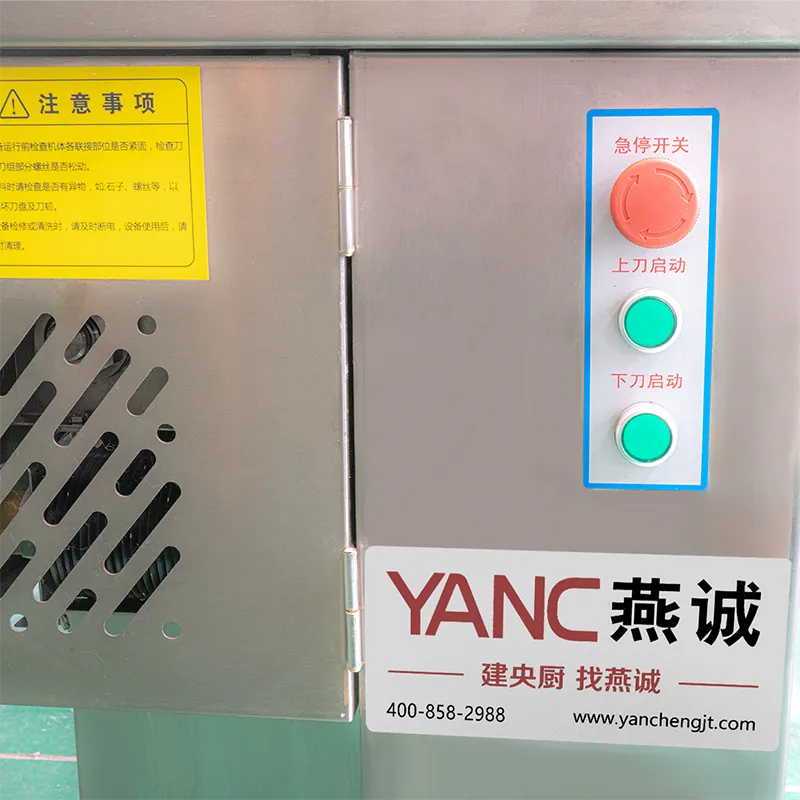
When it comes to industrial meat slicing operations, equipment designed with hygiene in mind isn't just nice to have but absolutely necessary to satisfy those strict USDA and FDA requirements. The closed system chambers where the actual cutting happens, along with blade guards treated with antimicrobial coatings, really cut down on the chances of bacteria spreading around. Some modern machines even come equipped with smart features that lock everything down automatically when someone starts cleaning, plus they'll actually prompt workers through the proper disassembly steps step by step. These kinds of innovations make following HACCP guidelines much easier than older models ever could. And let's not forget about third party certifications such as NSF/ANSI 4 standards which serve as official proof that a machine meets all the important sanitary performance criteria set by industry experts.
- Seamless surfaces: Eliminate bacterial harborage points
- Tool-free disassembly: Accelerate cleaning validation cycles by 30–65% (FSIS 2023 sanitation audits)
- Corrosion-resistant alloys: Prevent chemical degradation during caustic washdowns
These features expedite daily sanitation and ensure audit readiness for FSMA traceability requirements.
Maintaining Operational Reliability: Cleaning, Maintenance, and Downtime Reduction Strategies
NSF-certified easy-clean meat slicer architecture and its impact on sanitation validation cycles
NSF-certified easy-clean designs reduce sanitation validation cycles by 30–40% compared to conventional equipment. Seamless surfaces, tool-free disassembly, and antimicrobial materials prevent bacterial harborage–cutting biofilm risk and supporting hygienic zoning in high-care areas. Standardized validation protocols also streamline USDA audit documentation without adding operational complexity.
Predictive maintenance and modular component design: Extending service life in 24/7 processing environments
The predictive maintenance setups these days rely on those little IoT sensors to keep an eye on things like blade vibrations, how hot the motors get running, and when bearings start showing signs of wear. Combine this monitoring with components that can be swapped out quickly when they wear down, and factories see a pretty big drop in unexpected shutdowns - around half in some cases for plants running nonstop. The system sends warnings to operators long before anything actually breaks down, so maintenance teams can schedule repairs right during their regular cleaning cycles instead of scrambling at odd hours. What's really nice about this modular approach is that individual parts can be fixed or replaced rather than tossing everything out. We've seen equipment last well past fifteen years without losing that original manufacturer quality, which makes a huge difference in long term costs for most manufacturing facilities.
FAQ
What is the primary advantage of fully automatic meat slicers?
Fully automatic meat slicers provide increased throughput, exceeding 5,000 slices per hour, and minimize labor requirements, which translates into higher ROI in high-volume settings.
How do horizontal and vertical meat slicers differ?
Horizontal slicers fit inline with conveyor belts for efficient space use, while vertical slicers are better for irregular cuts, offering higher yield recovery with specific types of meat.
What features ensure food safety in meat slicers?
Meat slicers designed with hygiene in mind feature closed cutting chambers, antimicrobial blade guards, and smart disassembly prompts to comply with USDA and FDA regulations.
Table of Contents
- How Industrial Meat Slicers Drive Throughput and Precision in High-Volume Facilities
- Selecting the Right Meat Slicer Type for Scalable Production Needs
- Ensuring Food Safety and Regulatory Compliance with Smart Meat Slicer Design
- Maintaining Operational Reliability: Cleaning, Maintenance, and Downtime Reduction Strategies
- FAQ