
 EN
EN
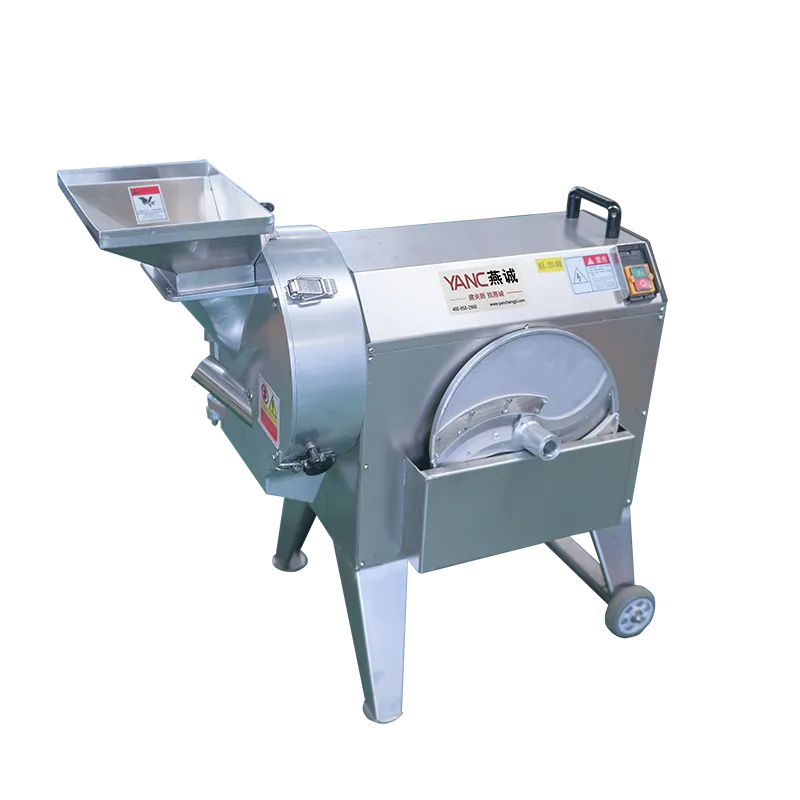
Why a Vegetable Slicer Is Essential for Root Vegetables
The Physics of Uniformity: How Density and Starch Content Demand Precision Tools
Potatoes and sweet potatoes are pretty tough customers when it comes to their cell structure and starch content varies quite a bit between different varieties. This makes them resistant to regular knife work, which often leads to slices of all different sizes. When cooking, those uneven slices cause problems because the thin ones burn before the thick parts even start to cook through properly. That's where precision slicing tools come in handy. Vegetable slicers apply consistent pressure with their aligned blades so every piece ends up roughly the same size. Getting uniform slices means better caramelization happens evenly across all pieces, textures develop predictably, and ultimately we get much more reliable meals from our efforts in the kitchen.
Safety & Consistency Data: 73% of Home Cooks Experience Inconsistent Cuts or Injury with Knives on Sweet Potatoes
Cutting into tough, slick root veggies with regular kitchen knives can lead to real problems. According to a study published by the Culinary Safety Institute last year, around three quarters of people who cook at home have had issues slicing sweet potatoes properly. Most often they end up with uneven pieces or even get hurt because the knife keeps slipping off those round, starchy surfaces. When this happens, there's a much higher chance of getting cut accidentally. That's where specially designed veggie slicers come in handy. These gadgets actually work pretty well for preventing accidents since they have built-in guards that hold the vegetable steady while keeping the blades completely covered. Home cooks find that they consistently get nice even slices without having their hands anywhere near sharp edges. Plus, most folks report cutting down their prep time significantly, sometimes as much as half what it used to take when doing everything manually.
How Uniform Slicing Improves Cooking Performance
Slice Thickness and the Maillard Reaction: Optimizing Roast Time and Texture in Potatoes
Uniform slices really matter when it comes to how heat moves through food during roasting. Think about it this way: if all the potato pieces are about the same thickness, like around a quarter inch, they'll start developing that beautiful golden crust at roughly the same time thanks to something called the Maillard reaction. We've seen plenty of kitchen experiments where even small differences in slice thickness lead to big problems. The thin parts tend to char while the thicker bits remain undercooked. Good slicing tools make all the difference here. With proper equipment, home cooks can achieve those perfectly balanced batches that have that great combination of crispy outside and tender inside without spending extra time in the oven. Most people notice their cooking times drop by about a quarter when everything is sliced consistently.
Even Thermal Transfer in Air Fryers and Ovens: Why Batch Consistency Starts with Your Vegetable Slicer
The effectiveness of air fryers and convection ovens really depends on good airflow all around the food during cooking time. When someone cuts root veggies unevenly, they end up with those frustrating hot spots where small bits burn before bigger pieces even cook through properly. Take sweet potatoes as an example. Cutting them into roughly half inch thick slices lets the hot air move freely throughout the basket, so everything gets cooked at similar rates. Most folks who try to chop these dense roots themselves wind up dealing with that annoying situation where parts are done and others aren't. Getting consistent slice sizes makes all the difference for recipes where timing matters. Think about making crispy fries versus keeping beets moist after roasting. The right prep work sets the stage for better outcomes in either case.
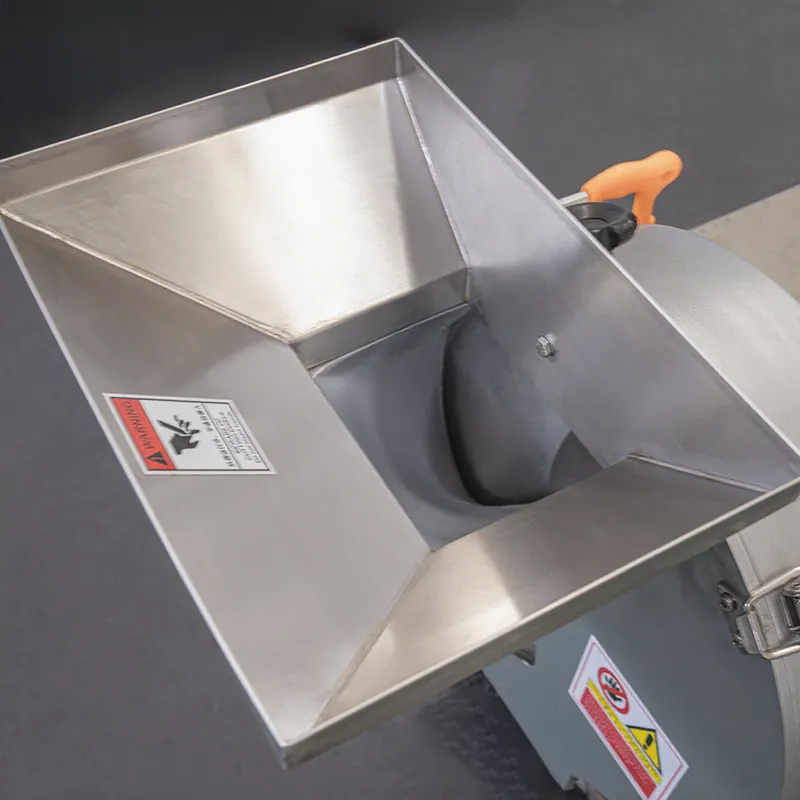
Choosing the Right Vegetable Slicer: Key Features for Potatoes and Firm Roots
Blade Material, Adjustable Gauge, and Guard Design—What Actually Delivers Reliable Performance
When it comes to cutting root vegetables, stainless steel blades just make sense. They stand up to the corrosive nature of starchy potatoes and sweet potatoes, staying sharp even after lots of kitchen action. Carbon steel blades tend to react badly with acidic foods, which means uneven cuts and shorter lifespan overall. The thickness gauge on these tools matters too for getting meals right. Some studies show that changing slice thickness by just 1mm can actually affect how long things need to roast in the oven because moisture escapes at different rates depending on thickness. That kind of detail makes all the difference when trying to get perfectly cooked dishes every time.
How a knife guard is designed makes all the difference when it comes to staying safe and getting good results. The best ones have those rubbery grips that won't slide around, plus proper blade coverage keeping fingers safely away from sharp edges—at least half an inch clearance works well for most folks. They also help hold round veggies steady so they don't roll away while cutting. Getting rid of that annoying wobble actually prevents most accidents people get hurt from when slicing things by hand at home. When looking at what makes great kitchen tools, there are three main factors worth considering. First off, top quality stainless steel blades stand up better to tough roots without wearing down quickly. Then we've got those tiny adjustment knobs that let cooks control how thin or thick slices come out, which matters a lot for things like caramelized onions. And finally, properly shaped guards make sure hands stay put even when pressing down hard on the board.
Safe, Efficient Techniques for Slicing Hard, Slippery Root Vegetables
Working with dense root vegetables demands specialized techniques to prevent accidents and ensure precision. The irregular shape and high starch content of potatoes and sweet potatoes create unique hazards—including slippage and inconsistent pressure application. A well-designed vegetable slicer mitigates these risks through three key features:
- Stabilizing clamps that anchor produce during cutting
- Non-slip bases preventing movement during downward pressure
- Blade guards that separate hands from cutting surfaces entirely
Maintain peak efficiency by preparing vegetables in consistent batches—wash and pat dry roots thoroughly before slicing, and always apply steady, controlled pressure rather than abrupt force. This approach reduces wrist strain by 60% while preserving the uniform thickness essential for even cooking.
FAQ
Why should I use a vegetable slicer for root vegetables?
Using a vegetable slicer ensures uniform slices, enhancing caramelization and even cooking, while reducing the risk of injury compared to using a knife.
Are stainless steel blades the best choice for slicing root vegetables?
Yes, stainless steel blades are durable and resistant to corrosion, making them ideal for slicing starchy and acidic foods like potatoes and sweet potatoes.
How does slice thickness affect cooking?
Consistent slice thickness allows even heat distribution during cooking, ensuring that all pieces are cooked to the same level without burning or undercooking.
What are the safety features of a good vegetable slicer?
A good vegetable slicer includes stabilizing clamps, non-slip bases, and blade guards to prevent movement during cutting and to protect hands from injury.