
 EN
EN
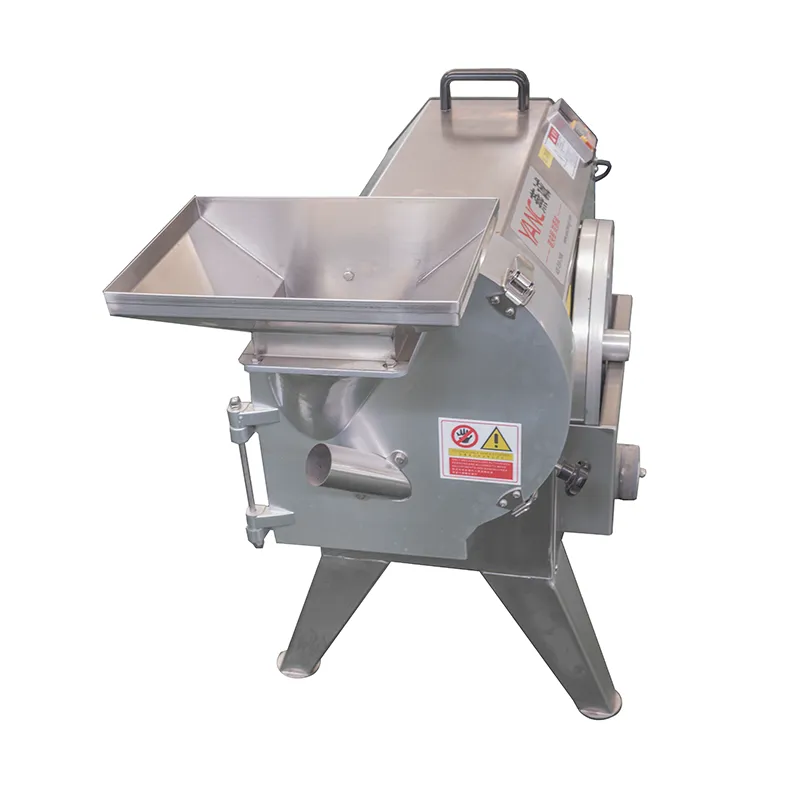
Ensuring Consistency and Reducing Waste Through Precision Vegetable Slicing About Vegetable Slicer
Kitchen staff know all too well how frustrating it is when veggies come out looking uneven after slicing. That's where precision vegetable slicers really shine. They cut everything consistently so food cooks evenly throughout. No more sad little undercooked spots in the middle or crispy burnt bits on the sides. Plus, flavors get absorbed better across those uniform slices. The best part? Less waste overall. Restaurant operators have seen their waste drop by around 36% since switching to these machines. Standardized sizes mean more of each vegetable gets used, which makes a big difference for tricky shapes like celery root that tend to go to waste otherwise.
How Uniform Cuts Improve Cooking Performance and Yield
When food items have consistent thickness throughout, they tend to cook at similar rates and develop uniform textures from one batch to the next. Restaurants find this really helpful because their kitchen staff doesn't need to babysit each cooking cycle so much. The evenness makes presentation look better on plates too. Plus there's less waste overall. Those odd shaped pieces or irregular cuts that usually end up in the trash bin can actually be used now. For places that handle large volumes of food daily, these small improvements make a big difference in reducing expenses without sacrificing what customers expect in terms of taste and appearance.
Standardizing Portions Across Shifts and Locations
Commercial vegetable slicers with adjustable blades can set thickness down to within 0.1mm, so every slice comes out pretty much the same no matter who's operating them. No more guessing games when switching from morning to evening staff either. A carrot cut into julienne in Tokyo? It'll look just like what gets served up in London. For restaurant chains running multiple locations, this kind of consistency makes life easier in several ways. Inventory planning becomes straightforward since they know exactly how much product each unit needs. Recipe costs stay predictable too. And most importantly, customers get the same quality dish whether dining at headquarters or a branch halfway around the world.
Optimizing Labor Allocation and Lowering Operational Costs
Labor Savings: Reallocating 1–2 FTEs per Shift to Value-Add Tasks
The cost of labor eats up around 30 to 50 percent of what it takes to run a food service operation, so getting efficient really matters if restaurants want to stay profitable. When commercial vegetable slicers come into play, they cut down on all that manual prep work, which means one or two full time employees can actually focus on other important stuff during their shifts. Think inventory checks, making sure quality stays consistent, or working on ways to cut down waste. The best part? Restaurants don't need fewer people overall. Instead, staff who know multiple jobs can jump where needed when business picks up. Kitchens that have invested in these precision tools often see annual savings of about 15 to 20% on labor costs. What this does is transform those fixed payroll expenses into something much more flexible and valuable for growing operations.
Enhancing Food and Workplace Safety with Modern Vegetable Slicers
Built-in Safeguards, Ergonomic Design, and Compliance with Health Code Standards
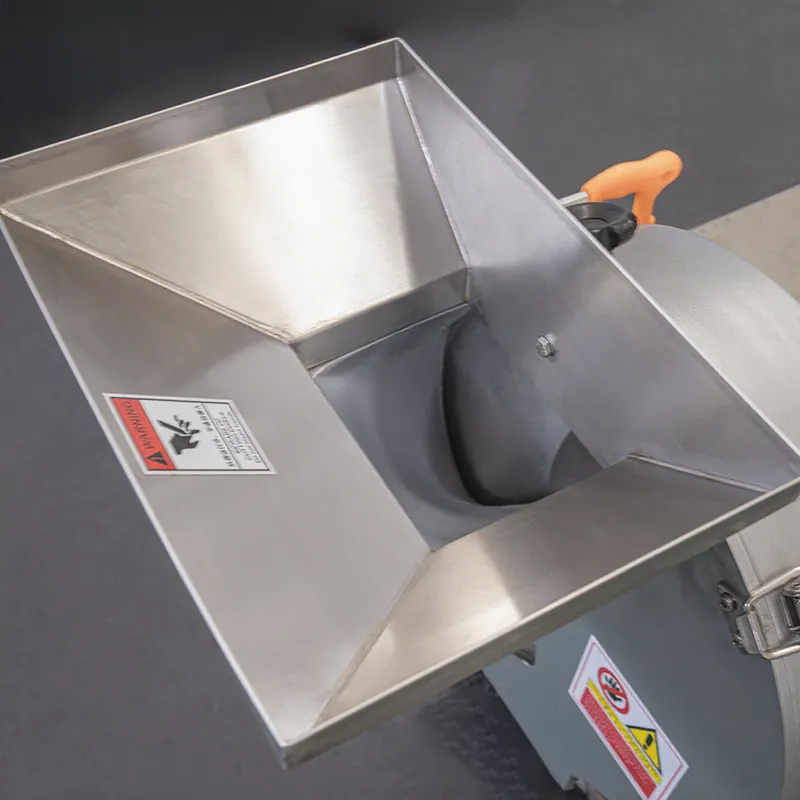
Today's vegetable slicers come with built-in safety features that cut down on kitchen injuries quite a bit compared to using knives manually, probably around two thirds less according to industry reports, plus they tick all the boxes for health regulations. What makes them safe? Well, there are blade locks when doing maintenance, big red emergency stops everyone can reach quickly, and smart systems that shut down automatically if something gets stuck inside. The design also takes ergonomics seriously with rubber bases that won't slide around, feeding channels at just the right angle, and handles that absorb vibrations to protect hands from strain over long shifts. From a hygiene standpoint, these machines use food safe stainless steel throughout and have sealed motors where bacteria can't hide. Every part that comes apart meets those strict NSF/ANSI 18 standards required in commercial kitchens across the country.
FAQ Section
What are precision vegetable slicers?
Precision vegetable slicers are specialized devices designed to cut vegetables into uniform slices, which helps ensure even cooking and reduces waste.
How do vegetable slicers reduce waste?
By producing uniform slices, more of each vegetable is used efficiently, minimizing discard due to irregular cuts.
Can precision slicers help with labor savings?
Yes, they reduce the time needed for manual prep work, allowing staff to focus on value-add tasks, which can lead to significant labor savings.
Are there safety features in modern vegetable slicers?
Yes, modern slicers include built-in safeguards like blade locks, emergency stops, and ergonomic designs to enhance kitchen safety.
Do vegetable slicers meet health code standards?
Yes, they are designed with food-safe materials and comply with health regulations, ensuring hygiene and safety in commercial kitchens.