
 EN
EN
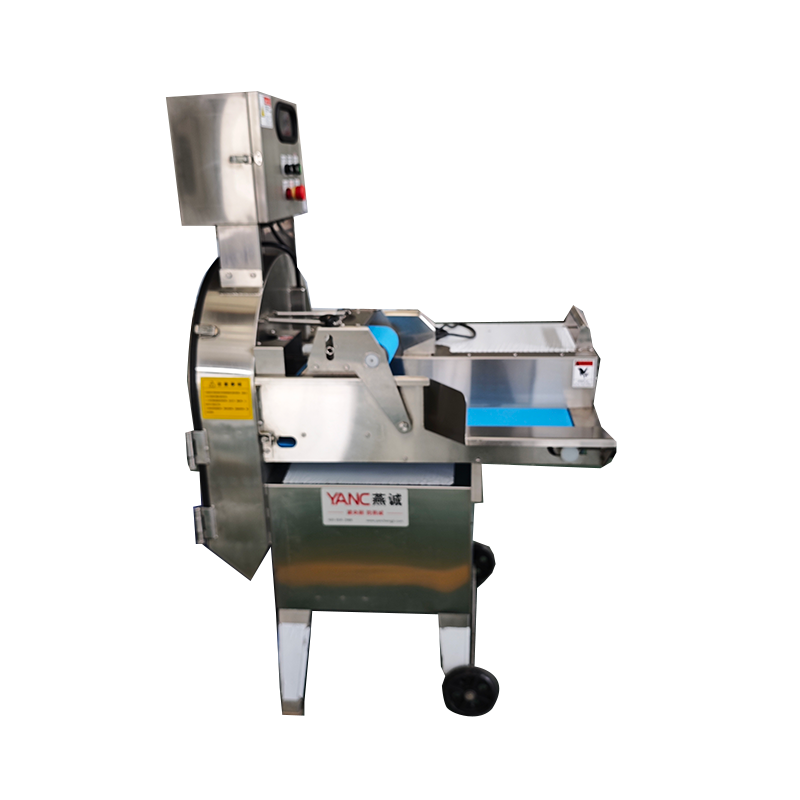

How Modern Vegetable Slicers Accelerate Prep Without Compromising Cleanliness
High-Performance Blades and Optimized Motor Design for Speed and Precision
Today's vegetable slicers come equipped with razor sharp blades made from laser cut stainless steel and powered by heavy duty 350 watt brushless motors. These machines can slice veggies about three times quicker than doing it by hand, which cuts down on kitchen prep work by around 80%. No need to keep moving a knife back and forth like traditional cutting. Just one smooth motion gets through tough root vegetables and tender leafy greens alike. What makes them special? The motor control system manages power so well that there's no overheating from friction, keeping blades in good shape and running almost silently. When chefs want those super thin tomato slices or perfectly julienned carrots, these slicers do the job without crushing plants or squeezing out too much juice. Less juice means fewer bacteria spots on surfaces where food touches during preparation.
Precision Engineering That Minimizes Food Waste and Surface Contamination
The latest models come equipped with waste-free chutes and jam-resistant systems that keep around 98% of the good stuff from getting lost - way better than what most people can achieve when cutting things by hand. These machines have surfaces that meet FDA standards, are smooth as glass, and coated with stuff that keeps bacteria from sticking around. The food chamber tapers down nicely so everything slides right onto the blade without touching anything else. Pretty clever design actually. There's also those hidden blade compartments and built-in trays for catching bits and pieces, which cuts down on mess by about three quarters and stops little particles from floating around in the air. What really stands out though is how these slicers work completely sealed off from countertops. Produce touches just the blade and lands straight into the bin, making them great for kitchens where hygiene matters most during busy prep times.
Safety and Hygiene Built In: Smart Features for Safer, Easier Cleaning
Today's vegetable slicers come packed with safety and sanitation features that actually make sense for real kitchens. Most models have magnetic blade locks that keep those sharp parts from moving around when storing or cleaning up after use. There's also pulse control tech that lets users slice in short bursts rather than continuous motion, which works great for tough veggies or oddly shaped fruits. The bases usually feature silicone grips that stick to countertops even when they get wet, something that really cuts down on accidents caused by slipping appliances. These little details matter because nobody wants to end up in the emergency room just trying to chop some potatoes.
Integrated Safety Mechanisms: Blade Locks, Pulse Mode, and Non-Slip Bases
What makes these models stand out from regular kitchen slicers? Well, they tackle those annoying problems people face all the time. For starters, both hands need to be on the device before it actually cuts anything, so there's no chance of getting nicked when putting ingredients into place. Then there's this pulse function that lets cooks handle tricky veggies without going crazy. Think about trying to slice through a tough sweet potato skin without messing up the whole batch. The extra weight built into the bottom wasn't just added randomly either. Safety experts have tested how stable it stays even when someone is cranking out hundreds of julienne strips per minute, which happens more often than most realize in commercial kitchens.
Dishwasher-Safe, Tool-Free Disassembly for Rapid Sanitization
Modern designs make keeping things clean much easier thanks to parts that come apart without needing tools. The components that touch food all snap off easily and have those smooth surfaces without any little cracks where bacteria might hide. We're talking about NSF certified stainless steel blades here, plus collection bins free from BPA stuff, both safe for the dishwasher. No more worrying about leftover bits sticking around like happens so often with cheaper mandoline slicers. Cleaning takes noticeably less time now, probably saving around five to ten minutes each go round. Makes it way simpler to stick to proper food safety rules without feeling like a chore every single time.
Consistent Versatility: Achieving Uniform Cuts Across All Vegetable Types
Adjustable Thickness and Multi-Blade Systems for Slicing, Julienne, and Shredding
The adjustable thickness settings ranging from half a millimeter all the way up to fifteen millimeters plus the ability to swap out different blades gives this gadget restaurant level flexibility when handling various veggies. Just flip a switch and presto! The machine goes from making thin slices of carrots to creating long zucchini noodles in less than ten seconds flat. The results look good but taste even better. Those two millimeter thick onions really do caramelize properly without burning edges while those tiny strips of bell pepper hold their shape during stir fries instead of turning into mush. Some recent studies in professional kitchens showed that these kinds of precision tools cut down on food waste by around 18 percent over traditional cutting methods. That means not only saving money for restaurants but also helping reduce overall waste which is pretty important for anyone concerned about environmental impact these days.
Real-World Performance: What Users Value in a Reliable Vegetable Slicer
Professional kitchens prioritize reliability, consistency, and operational fluency. Key user requirements include:
- Precision cutting, ensuring uniform slices that promote even cooking and reduce food waste by up to 30% versus manual methods
- Integrated safety mechanisms, including blade guards and auto-shutoff features that lower workplace injury rates
- Rapid cleaning systems, with tool-free disassembly enabling full sanitization in under three minutes
- Throughput efficiency, sustaining cut quality and speed during peak service volumes
These functional priorities translate into measurable outcomes: kitchens report 50% faster prep cycles and 25% lower produce costs when using high-performance slicers. The most effective units combine industrial durability with intuitive ergonomics—functioning not as standalone appliances, but as seamless extensions of the chef’s workflow.
FAQ
What makes modern vegetable slicers more efficient than previous models?
Modern vegetable slicers are equipped with razor-sharp, laser-cut stainless steel blades and heavy-duty motors, allowing for faster slicing with reduced manual effort and lower risks of overheating.
Are the blades in modern slicers safe and easy to clean?
Yes, the blades feature magnetic locks for safe storage and cleaning, and are often NSF certified, making them dishwasher safe for quick sanitization.
How do these slicers ensure food safety and hygiene?
Modern slicers have non-slip bases and use materials that minimize bacterial growth, with surfaces meeting FDA standards for cleanliness. They operate with components that prevent contamination and can be disassembled tool-free for rapid cleaning.
Why is it important to have adjustable thickness settings?
Adjustable thickness settings allow for versatile slicing from very thin to thicker cuts, making it easy to accommodate various recipes and reduce food waste by ensuring uniform cooking.
What safety features are built into modern vegetable slicers?
Modern slicers are designed with safety in mind, incorporating features like blade locks, pulse mode for tricky cuts, and bases with silicone grips to prevent slipping incidents.
Table of Contents
- How Modern Vegetable Slicers Accelerate Prep Without Compromising Cleanliness
- Safety and Hygiene Built In: Smart Features for Safer, Easier Cleaning
- Consistent Versatility: Achieving Uniform Cuts Across All Vegetable Types
- Real-World Performance: What Users Value in a Reliable Vegetable Slicer
-
FAQ
- What makes modern vegetable slicers more efficient than previous models?
- Are the blades in modern slicers safe and easy to clean?
- How do these slicers ensure food safety and hygiene?
- Why is it important to have adjustable thickness settings?
- What safety features are built into modern vegetable slicers?