
 EN
EN
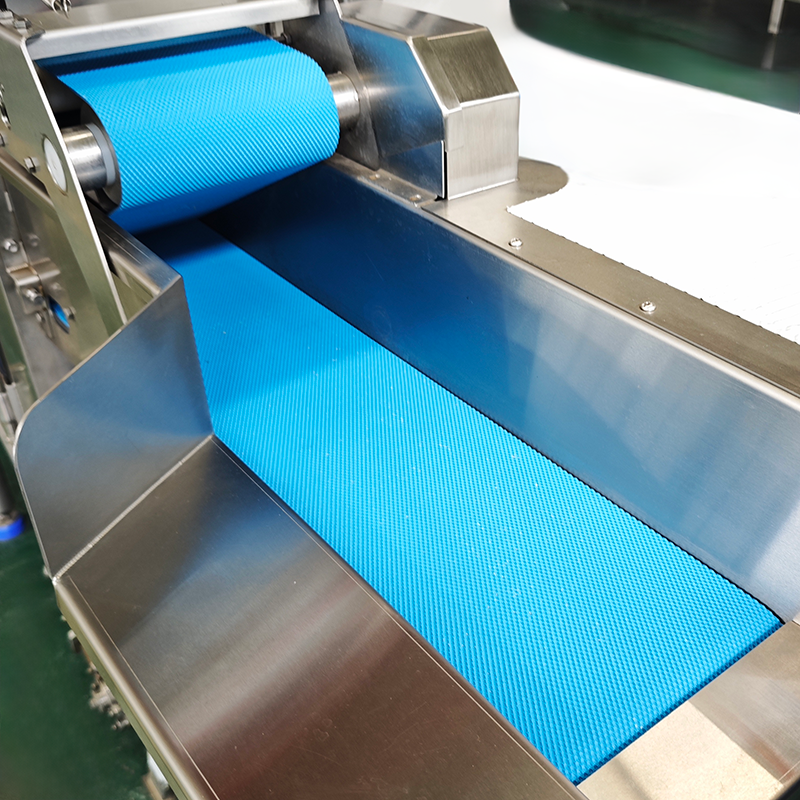

How Vegetable Slicers Deliver Consistent, Uniform Cuts
Blade Geometry and Feed Mechanism: Engineering Precision for Repeatable Thickness
The secret to getting those perfectly even slices lies in how vegetable slicers are built. Most models come with specially designed stainless steel blades at just the right angle, paired with a feeding system that keeps things steady. The blade shape makes all the difference in how it cuts through veggies, while the feeding mechanism pushes food against the blade with consistent pressure so there's no guesswork involved. This kind of mechanical accuracy means every slice comes out roughly the same thickness, which is pretty hard to replicate with regular kitchen knives. Better yet, commercial grade machines often have adjustment knobs that let chefs set thickness down to half millimeter increments. This matters when making things like uniform carrot coins or round cucumber slices for presentation. And let's not forget about waste reduction either. When everything gets cut evenly, there's simply less leftover bits going into the trash bin.
Uniformity’s Functional Impact: Even Cooking, Food Safety, and Reduced Waste
When vegetables are cut consistently, it makes a real difference in how they cook, stay safe, and save time in the kitchen. Even slices mean even cooking throughout, so we avoid those frustrating situations where parts are raw inside while others burn on the outside. Both the USDA and FDA back this up, noting that proper thickness lets heat work properly through foods, which is important for keeping harmful bacteria at bay. Restaurants following FDA guidelines often require their staff to maintain uniform cuts across all menu items because it helps control cooking times better and ensures food gets properly cooked throughout. Beyond just safety concerns, there's another benefit too: precise slicing minimizes wasted product since smaller scraps don't accumulate as much when everything fits together neatly. Kitchen equipment studies indicate that using professional slicers instead of hand cutting can cut down prep waste by around 20%, something that adds up significantly over months or years for any business looking to boost profits while being environmentally responsible.
Vegetable Slicer vs. Traditional Knife Cuts: Precision, Speed, and Skill Accessibility
Matching Classic Cuts (Julienne, Brunoise, Tourné) with Adjustable Slicer Settings
Modern vegetable slicers can produce those classic knife cuts like julienne, brunoise, and tourné with amazing accuracy, something that would take most home cooks months to master by hand. According to the Culinary Institute of America, even professional chefs struggle with manual cutting consistency, often seeing differences of around 15 to 20 percent in slice thickness. But these adjustable slicing tools consistently hit within just 1 millimeter each time they're used. For restaurant kitchens dealing with hundreds of orders daily, this kind of reliability makes all the difference. Food cooks evenly across plates, there's less wasted product from uneven pieces, and presentation stays consistent throughout service rushes when time is money and standards need to be maintained at all costs.
Bias, Crosscut, and Angle Adaptation: Elevating Visual Appeal Without Advanced Knife Skills
Angled cuts (think bias slices on carrots or those pretty fan shapes in zucchini) used to require serious knife skills and plenty of practice. These days, modern veggie slicers come equipped with adjustable templates that make crosscuts, bias slices, and fan shapes much easier to pull off. Just tweak the feeding angle or spin around the blade setup, and voila! The results look great on salads, as garnishes, or anywhere presentation matters. No need to spend years mastering the art anymore. What this means for kitchens is huge really. Line cooks who might not have had time to develop those fancy plating skills can now produce restaurant quality dishes alongside their more experienced sous chef counterparts without anyone noticing the difference.
Multi-Function Vegetable Slicers: Expanding Versatility Beyond Straight Slicing
Modular Attachments for Shredding, Dicing, and Grating – Maintaining Uniformity Across Functions
Kitchen efficiency gets a boost from modern vegetable slicers thanks to their interchangeable attachments like shredding grids, dicing matrices, and grating drums. These attachments actually go way beyond just regular slicing functions. The modules keep things consistent in terms of size and thickness no matter what they're cutting. Take one machine for instance it can handle restaurant quality julienne strips, those perfect 5mm dice pieces, or even finely grated cheese all within about half a millimeter tolerance. No need for separate gadgets anymore since these attachments bridge the gap between different kitchen tools. Plus everything cooks evenly which means less food waste overall. Swapping out the modules takes less than a minute so chefs can switch from tomato slices to shredded cabbage effortlessly without messing around with adjustments. What makes this system work so well is that each attachment shares the same blade design and feeding system as the main unit, so results stay the same whether making potato gratings or carrot sticks. Even novice kitchen staff can get restaurant level cuts without needing years of knife experience, and restaurants save space on their countertops while spending less time fixing multiple machines.
The Presentation Advantage: How Uniform Slicing Drives Perceived Quality and Restaurant ROI
When food gets cut uniformly, it transforms ordinary home cooking into something restaurant quality. The visual harmony just screams quality, shows someone actually cares about presentation, and makes everything look intentional rather than slapped together. Vegetable slicers are amazing at this kind of precision work. They keep giving out those perfect carrot rounds or cucumber ribbons time after time without fail. People tend to see these uniform slices as a sign of good standards, which lets restaurants charge more money for their plates. From an operational standpoint, having consistent cuts makes kitchen workflow so much smoother. Food cooks evenly when all pieces are the same size, and portions stay controlled throughout service. Restaurants that match slice thickness exactly what recipes need usually waste around 15 to maybe 20 percent less ingredients each year compared to others. Beyond saving cash on groceries though, there's another benefit worth mentioning. When customers see plates presented consistently night after night, they start trusting the place more. This builds brand recognition across different shifts too, since everyone serves food looking basically the same way. And let's face it, happy customers come back again and again, which means better business results over time.
Key Benefits of Uniform Cutting:
- Portion Accuracy: A 1mm thickness variation in high-cost ingredients (e.g., meats or specialty vegetables) can alter plate costs by 5–8%
- Waste Reduction: Precise slicing decreases vegetable trim loss by up to 30% versus manual prep
- Brand Integrity: Dishes look identical across shifts and service periods–reinforcing quality expectations and operational reliability
FAQ
- What is the advantage of using a vegetable slicer over a traditional knife? Vegetable slicers provide consistent, uniform slices that are hard to achieve with a traditional knife, contributing to even cooking and reducing waste.
- Can vegetable slicers help in reducing preparation waste? Yes, by producing uniform cuts, they minimize the waste from uneven scraps that occur during manual preparation.
- Is it possible for non-professional cooks to use vegetable slicers? Absolutely, modern slicers are designed to be user-friendly and do not require advanced knife skills, making them accessible for novice cooks.
Table of Contents
- How Vegetable Slicers Deliver Consistent, Uniform Cuts
- Vegetable Slicer vs. Traditional Knife Cuts: Precision, Speed, and Skill Accessibility
- Multi-Function Vegetable Slicers: Expanding Versatility Beyond Straight Slicing
- The Presentation Advantage: How Uniform Slicing Drives Perceived Quality and Restaurant ROI