
 EN
EN
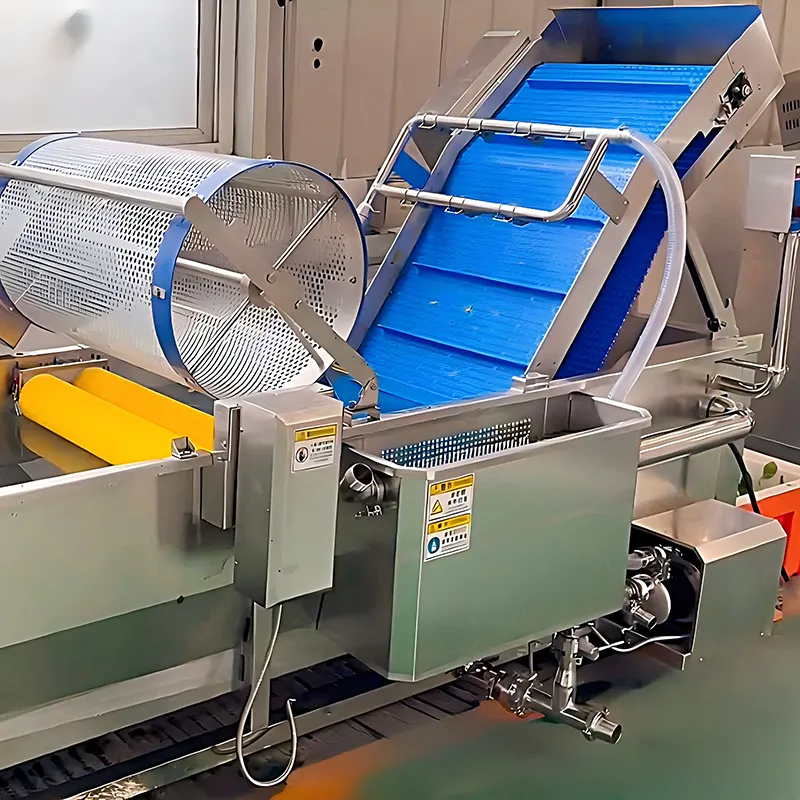
A vegetable washing machine equipped with steam bath cleaning technology represents a significant advancement in the way commercial kitchens and food processing facilities handle root vegetables. Root vegetables such as carrots, potatoes, beets, turnips, and ginger grow beneath the soil, meaning they arrive in processing environments carrying dense layers of mud, sand, and surface-bound contaminants that standard water rinsing alone cannot fully remove. A dedicated vegetable washing machine designed with steam bath functionality addresses this challenge by combining thermal energy with mechanical agitation to lift and eliminate stubborn residues from irregular, rough-textured surfaces.
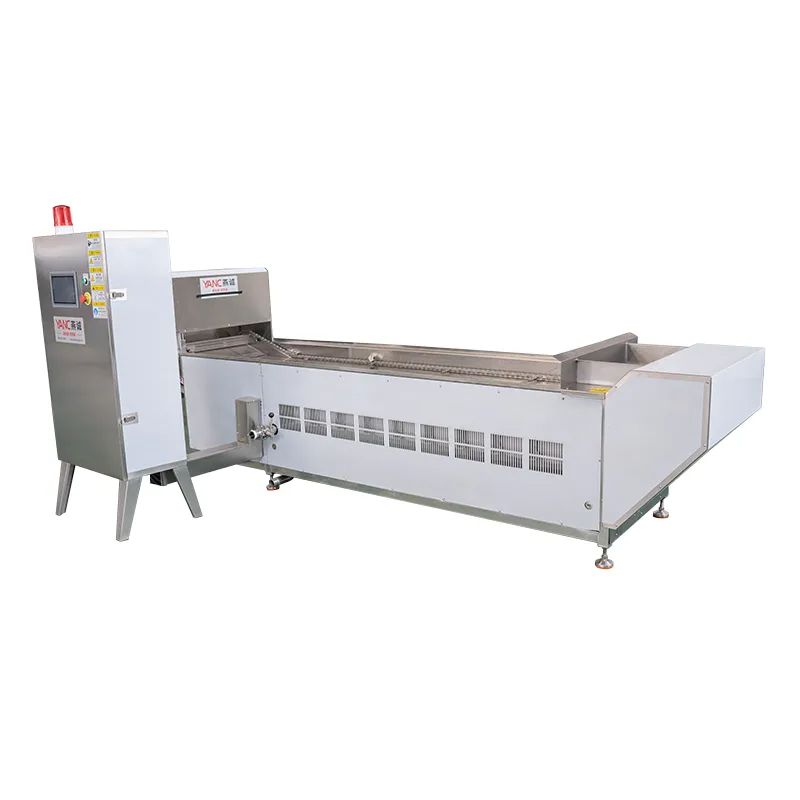
The vegetable washing machine category has expanded considerably in recent years, and the steam bath variant stands out as particularly well-suited to high-throughput food businesses. Whether operating in a central kitchen, a catering company, a vegetable processing plant, or a ready-meal production facility, choosing the right vegetable washing machine can directly influence food safety compliance, labor efficiency, and final product quality. This article explores how the steam bath vegetable washing machine works, why it is especially effective for root vegetables, and what operational factors matter most when selecting this type of equipment.
How Steam Bath Technology Works in a Vegetable Washing Machine
The Role of Steam in Loosening Soil and Contaminants
A steam bath vegetable washing machine generates controlled steam that penetrates the uneven surface texture of root vegetables before or during the washing cycle. Steam softens compacted soil particles, loosens fine sand embedded in crevices, and helps break the adhesion of organic matter clinging to root skins. Because root vegetables have naturally irregular shapes, pits, and rough skin, a vegetable washing machine relying solely on cold water spray often leaves residues in those hard-to-reach areas. Steam changes this dynamic by using thermal softening as a preparatory step that makes subsequent rinsing far more effective.
Mechanical and Thermal Action Working Together
The vegetable washing machine combines steam delivery with brush rollers, water jets, or bubble agitation to create a multi-stage cleaning process. Steam loosens the bond between the vegetable surface and contaminants, while the mechanical action physically scrubs and removes the loosened material. This dual approach means the vegetable washing machine achieves cleaning results that neither method could accomplish alone. Water consumption in a steam-assisted vegetable washing machine is also often lower compared to purely high-pressure water systems, because the steam reduces the force needed to dislodge soil, allowing the machine to clean thoroughly with less water volume per batch.
Why Root Vegetables Benefit Most from This Vegetable Washing Machine
Surface Complexity and Contamination Depth
Root vegetables present unique challenges that make the steam bath vegetable washing machine especially relevant. Unlike leafy greens or smooth-skinned fruits, root vegetables have textured skins that trap soil at a depth that water spray cannot reach effectively. A vegetable washing machine with steam bath capability addresses this because the steam penetrates micro-crevices and softens contaminants from the inside out. For operations processing large quantities of potatoes, sweet potatoes, or parsnips daily, the vegetable washing machine reduces pre-soaking time and manual scrubbing labor that would otherwise be necessary.
Food Safety Standards for Root Vegetable Processing
Food safety regulations in commercial food processing require that raw vegetables meet strict microbial and physical contamination limits before further preparation. A vegetable washing machine with steam bath cleaning helps operators comply with these standards more consistently. The elevated temperature generated during the steam phase provides an additional hygiene benefit by reducing surface microbial counts on root vegetable skins. While the vegetable washing machine is not a sterilization device, the thermal component meaningfully contributes to a safer product entering the next stage of processing. For facilities supplying supermarkets, hospitals, or schools, this level of cleaning reliability from the vegetable washing machine is not a luxury but a requirement.
Key Operational Features of the Steam Bath Vegetable Washing Machine
Throughput Capacity and Batch Processing
A commercial vegetable washing machine designed for steam bath cleaning is typically available in configurations suited to different throughput volumes. Smaller units of the vegetable washing machine handle batches appropriate for restaurant-scale operations, while industrial-grade vegetable washing machine models support continuous feed processing for large production lines. Selecting the correct capacity ensures the vegetable washing machine does not become a bottleneck in the overall production workflow. The vegetable washing machine should be matched to the daily volume of root vegetables processed so that throughput, steam generation capacity, and drainage systems all operate within design parameters.
Ease of Cleaning, Maintenance, and Hygiene Compliance
The vegetable washing machine itself must be easy to clean and maintain to prevent cross-contamination between production runs. A well-designed vegetable washing machine features stainless steel construction, accessible internal components, and drainage systems that remove dirty water efficiently. The steam generation system within the vegetable washing machine should allow for regular descaling and inspection to maintain consistent performance. Operators should verify that the vegetable washing machine meets relevant food equipment hygiene standards, including material safety certifications, before committing to a purchase. A vegetable washing machine that is difficult to clean internally can become a contamination source rather than a contamination control tool, which defeats its core purpose in any commercial operation.
FAQ
Can a vegetable washing machine with steam bath be used for vegetables other than root types?
Yes, a vegetable washing machine with steam bath functionality can process a range of produce beyond root vegetables, including sturdy greens, squash, and corn. However, the vegetable washing machine settings, including steam intensity and brush pressure, should be adjusted according to the delicacy of the produce to avoid surface damage. Root vegetables remain the primary application where the vegetable washing machine delivers its most significant performance advantage due to their heavy soil load and textured surface.
How does the vegetable washing machine affect the nutritional quality of root vegetables?
A properly calibrated vegetable washing machine uses steam at controlled temperatures and for limited durations, which means the thermal exposure during the washing phase is brief. Under normal operating conditions, the vegetable washing machine does not cause meaningful nutrient loss in root vegetables, as the steam contact time is far shorter than cooking. The vegetable washing machine is designed for surface cleaning, not thermal processing, so nutritional integrity of the produce is maintained through the wash cycle.
What should I look for when buying a vegetable washing machine for a commercial kitchen?
When selecting a vegetable washing machine for commercial use, prioritize throughput capacity, steam generation efficiency, ease of internal cleaning, and compliance with food-grade material standards. The vegetable washing machine should have adjustable settings for different produce types and soil loads. Reliable after-sales support and availability of spare parts are also important factors, as the vegetable washing machine will undergo intensive daily use in a commercial environment. Evaluating the vegetable washing machine based on total cost of ownership, including water and energy consumption, will provide a clearer picture of long-term value.