
 EN
EN
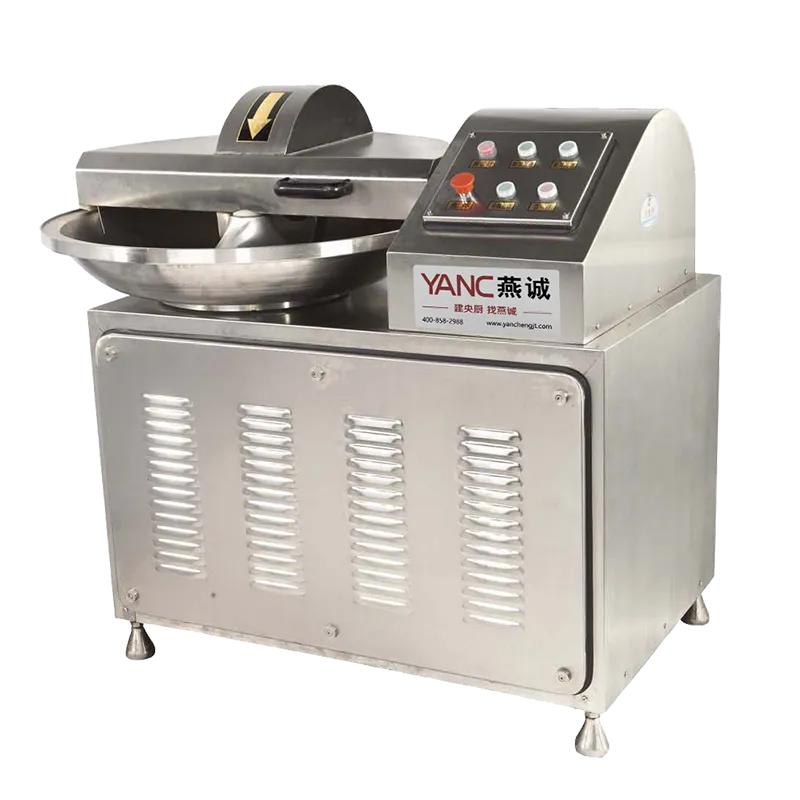
Power and Precision in a Compact Footprint
Blade Diameter (8"–14") and Its Direct Impact on Slice Consistency and Throughput
The size of the blade determines what a commercial meat slicer can actually do. Smaller models with blades between 8 and 10 inches work well in delis that deal mostly with pre-cut portions. These machines have those NSF certified slim designs that fit into cramped spaces behind counters, plus they cut with about half a millimeter precision. When it comes to bigger jobs though, 12 to 14 inch blades make all the difference for handling whole primal cuts. This matters a lot in places making charcuterie products because getting that perfect 1mm slice isn't just about presentation it directly impacts how much product gets wasted and overall quality too. For shops slicing over 300 pounds each day, switching to these larger blades typically boosts production speed by around 30 percent since there's no need to keep moving the meat around during slicing. And here's something important many people overlook blade size needs to match up with motor power. Put too big a blade on a weak motor and things start going wrong pretty fast drag builds up which leads to inconsistent slice thicknesses and wears out parts way before their time.
Motor Horsepower by Operational Demand: From ½ HP for Delis to 1.5+ HP for High-Volume Butcher Shops
The motor power needs to match what kind of meat is being sliced and how often the machine runs. For small specialty stores that handle less than 150 pounds per day, half horsepower motors work best. These are great for things like thin slices of turkey or prosciutto where the machine doesn't need to run constantly. Butchers who process large volumes need much bigger motors, typically 1.5 horsepower or more. Their machines have to keep running all day long through tough jobs like slicing frozen meats or cuts with bones still attached. If the motor isn't strong enough, it can stall or even cause dangerous kickbacks when overloaded. Newer technology has changed this landscape though. Modern three-quarter horsepower units with direct drive systems actually perform better than older one horsepower models while using about 40% less electricity according to recent tests in medium sized commercial kitchens back in 2023.
Safety-Certified Design for Commercial Meat Slicer Compliance
OSHA/FDA-Aligned Hardware: Blade Guards, Emergency Stop Systems, and Carriage Locks
Following OSHA and FDA regulations isn't optional when it comes to kitchen safety. Blade guards are essential because they stop hands from getting too close while machines are running. Emergency stop buttons can shut down rotating components almost instantly, which really matters since cuts from equipment make up about 23% of all injuries in food service according to BLS data from 2023. Carriage locks also play their part by keeping moving parts still when staff need to clean them. Restaurants that implement all these safety measures tend to see roughly 40% fewer injuries based on audits conducted in busy commercial kitchens across the country. Makes sense why operators prioritize this stuff when worker safety is on the line.
Ergonomic Intelligence: Automatic Return Carriages and Precision Thickness Dials Reduce Fatigue and Risk
Automatic return carriages eliminate repetitive manual resetting—reducing wrist flexion by 70% over extended shifts. Precision thickness dials offer tactile, repeatable 0.5–20mm adjustments without forceful calibration. This dual ergonomic approach cuts operator fatigue by 55%, supporting consistent portion control and reducing erratic movements that contribute to blade-related incidents.
Sanitation-First Construction for Food Safety and NSF Certification
Stainless Steel Integrity and Fully Removable Components Meeting FDA Food Code §1-201.10
Slicers that have passed NSF certification typically feature non porous stainless steel construction grade 304 or 316 which doesn't react to food products and stands up well against harsh cleaning agents. The blades carriages and protective guards can all be taken apart without needing any special tools, meeting the FDA's requirements for equipment that is easy to clean according to section 1-201.10 of their Food Code guidelines. When everything comes apart so easily, it makes total sense why these machines work great with standard three compartment sink setups or when run through commercial dishwashers. Getting rid of those pesky spots where food particles get stuck speeds up the whole cleaning process significantly. According to Food Safety Magazine from last year, kitchens that switched to NSF certified gear saw their cleaning times drop by around forty percent. That means less time spent on maintenance and fewer chances for bacteria to spread between different types of food being prepared.
Operational Efficiency: Reducing Downtime Without Compromising Power
For restaurant kitchens, any equipment breakdown is simply not an option these days. According to Ponemon's research from 2023, unexpected downtime for kitchen appliances actually costs the average foodservice operation around $740,000 every single year. That's why serious meat slicers are built with prevention in mind. They come with blades that pop right out without tools, plus parts that can go straight into the dishwasher after each shift. The internal workings? Made from heavy duty stainless steel gears that last through those long grueling days when the kitchen runs nonstop for over 16 hours. And let's not forget about those precision tension settings that cut down on unnecessary wear and tear on the motor itself. Some of the really good models can be taken apart completely and put back together again within just five minutes flat. Makes all the difference when rush hour hits and there's no time to spare for maintenance breaks.
| Downtime Factor | Efficiency Solution | Impact |
|---|---|---|
| Blade alignment issues | Self-adjusting carriage systems | 27% fewer adjustments per shift |
| Cleaning duration | Sealed motors & removable parts | 68% faster sanitation cycles |
| Component wear | Forged stainless steel drive trains | 3x longer service life |
Operational resilience also hinges on people: staff trained in proper slicing technique reduce blade replacements by 40% while sustaining output quality. Prioritize these integrated efficiency multipliers—hardware, hygiene, and human factors—to ensure your meat slicer functions as a productivity asset, not a bottleneck.
FAQs
What is the importance of blade size in a commercial meat slicer?
Blade size directly impacts the slice consistency and throughput of a commercial meat slicer. Smaller blades are suitable for pre-cut portions, while larger blades are ideal for handling whole cuts and enhancing production speed.
How does motor horsepower relate to meat slicing needs?
Motor horsepower should match the slicing demands. Smaller motors are sufficient for low-volume slicing, whereas high-volume butcher shops require motors with 1.5 horsepower or more to handle rigorous tasks efficiently.
Why are safety features essential in meat slicers?
Safety features like blade guards, emergency stop systems, and carriage locks are crucial to prevent injuries and comply with OSHA and FDA regulations, ensuring a safer kitchen environment.
How do ergonomic features benefit users of meat slicers?
Ergonomic features such as automatic return carriages and precision thickness dials help reduce operator fatigue, minimize risk, and contribute to consistent portion control.
What makes NSF certified meat slicers preferable?
NSF certified slicers are constructed from non-porous stainless steel, ensuring durability and easy cleaning. They meet FDA guidelines and are efficient in maintaining food safety standards.
How can operational efficiency be maximized in meat slicers?
Operational efficiency is enhanced by using slicers with easy-to-remove parts for quick cleaning, durable gears for continuous operation, and precision tension settings to reduce wear on the motor.
Table of Contents
- Power and Precision in a Compact Footprint
- Safety-Certified Design for Commercial Meat Slicer Compliance
- Sanitation-First Construction for Food Safety and NSF Certification
- Operational Efficiency: Reducing Downtime Without Compromising Power
-
FAQs
- What is the importance of blade size in a commercial meat slicer?
- How does motor horsepower relate to meat slicing needs?
- Why are safety features essential in meat slicers?
- How do ergonomic features benefit users of meat slicers?
- What makes NSF certified meat slicers preferable?
- How can operational efficiency be maximized in meat slicers?