
 EN
EN
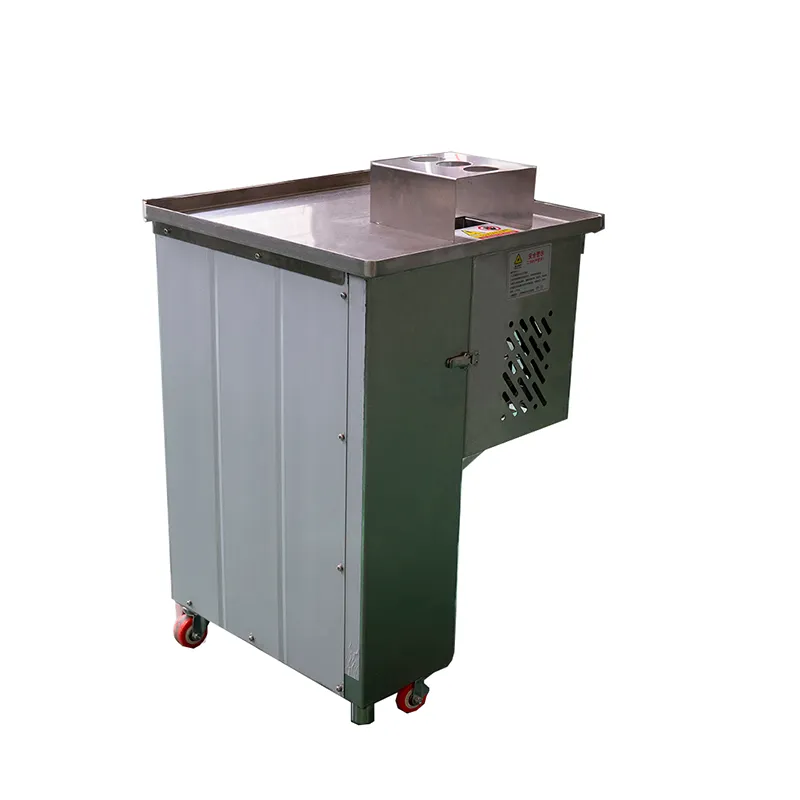
Integrated Safety-Efficiency Architecture in Modern Meat Slicers
Why unified safety and performance design reduces operator error and boosts throughput
Today's meat slicers combine safety features with efficient operation through smart design choices that reduce mental strain on workers. The machines have controls grouped together where they make sense in the workflow, so operators don't get confused trying to remember multiple buttons. Take those blade guards that kick in automatically when someone starts slicing meat. They stop fingers from getting too close without slowing down the whole process. Restaurants report around a third less time spent training new staff since these newer models came out, plus kitchens keep running smoother because there aren't constant stops and starts. According to OSHA data, when safety systems are built into the normal way people work rather than tacked on as extra steps, accidents tend to drop off. Workers focus better on what matters most when everything works together naturally instead of fighting against each other.
NSF-certified meat slicer case study: 73% fewer injuries and 41% improved slice consistency
Models certified by NSF International show what happens when good design works on two fronts at once. A recent look at commercial kitchens in 2023 revealed something interesting about these systems that combine safety with performance. Hand injuries dropped by around 73% compared to previous years, and at the same time, slices became consistently better too, with improvements hitting about 41%. The reason? These machines have special feeding parts that help position food correctly, plus housing designs that let workers reach those sharp blades when needed but actually protect them while the machine runs. Safety isn't just a box to check here it's part of what makes the cutting so accurate and reliable.
Critical Safety Systems: Blade Guards and Interlock Technology
OSHA data insight: How 68% of hand injuries occur during adjustment or cleaning—and how interlocks prevent them
According to OSHA studies, there's a major problem worth noting here: nearly two thirds of all hand injuries from meat slicers occur while workers are adjusting or cleaning them. That makes sense because during these times, safety guards get taken off intentionally, leaving hands dangerously close to those sharp blades. What helps cut down on these accidents? Interlock systems do exactly that. When someone removes a guard, the machine automatically loses power right away. The equipment stays completely inactive until everything gets put back in place properly. No more unexpected starts happening mid-cleaning or maintenance work. For kitchen staff dealing with daily maintenance tasks, this kind of protection turns what used to be risky procedures into something much safer. Workers can focus on getting things clean without constantly worrying about accidentally getting sliced.
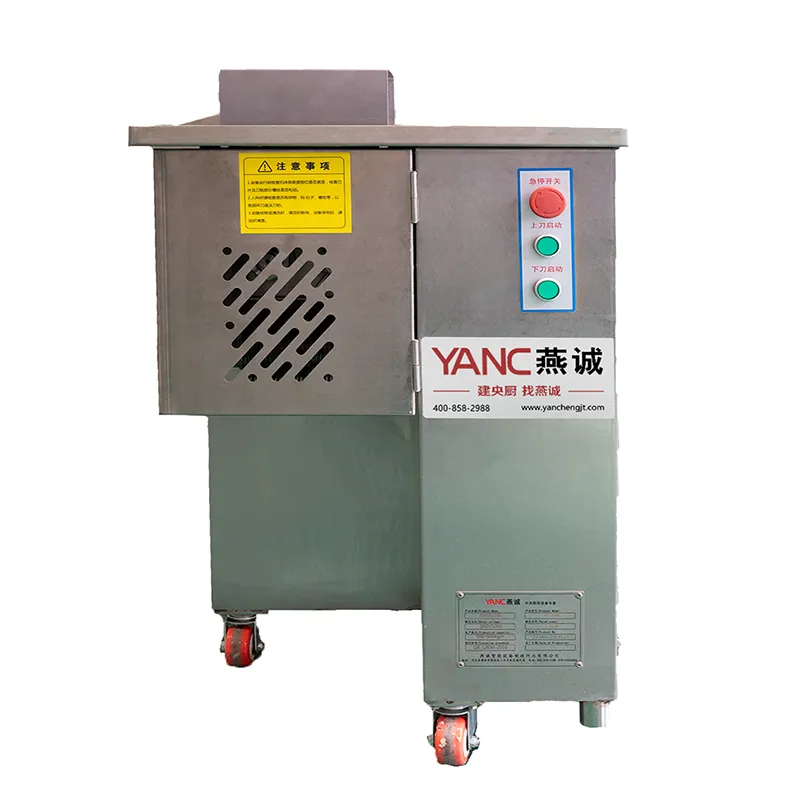
Dual-layer interlock mechanics: Gauge plate engagement + no-volt release for fail-safe operation
Modern food slicers come equipped with double safety measures to keep operators safe. There's the mechanical gauge plate sensor that stops the blade from spinning unless the plate is completely in place, so nothing cuts when it shouldn't. Then there's the no-volt release system, which cuts off electricity right away if someone opens the guard during operation and keeps the machine locked until someone resets it manually. Together these systems satisfy those strict ANSI/NSF food safety requirements and stop machines from suddenly restarting after a power outage or interruption. Even when one safety feature might fail somehow, the other still works as backup. Operators need to physically engage the gauge plate and then go through the proper reset steps each time, which makes sure everyone follows the same safe procedures every single time they use the equipment.
Efficiency-Driven Design Elements: Materials, Ergonomics, and Maintenance Flow
Modern meat slicer design prioritizes operational efficiency alongside safety—leveraging material science, human-centered ergonomics, and service-oriented architecture to sustain performance, compliance, and operator well-being.
Stainless steel construction and tool-free disassembly cut cleaning time by 71% (22 → 6.3 min/shift)
The stainless steel surfaces just dont rust or get microbes sticking to them, which makes cleaning much faster and more dependable. When we added those easy take apart features with the snap fits and simple release buttons, our staff can now break down the equipment in about seven minutes each shift instead of the old 22 minute process. Cutting cleaning time by over two thirds means we can get through more work during the day while still following all the food safety rules properly. The kitchen managers love this because they maintain strict standards but also meet their production targets.
ISO-aligned ergonomics: Optimized pusher, product table, and sharpener placement for reduced fatigue
When equipment incorporates ergonomic design according to standards like ISO 11228 for manual handling tasks and ISO 6385 regarding general ergonomics, workers experience less physical strain throughout their shifts. The system includes a pusher mechanism that requires minimal force to operate, so hands don't get tired from constant gripping. Workers also benefit from tables that can be adjusted to different heights, which means they aren't constantly bending over to reach products. Plus, tools are positioned where they need to be rather than forcing employees to stretch upwards repeatedly. All these improvements have been shown to slash error rates caused by fatigue by around half or better. This not only keeps slices consistently accurate even after hours on the job but also helps maintain employee well being over time.
Food Safety by Design: Preventing Biofilm and Cross-Contamination in Meat Slicers
FDA findings: Fully disassemblable meat slicers reduce Listeria monocytogenes biofilm by 4.7× vs. fixed-blade units
The growth of biofilms, particularly those formed by Listeria monocytogenes, continues to be a major problem for food safety in commercial meat slicers. These machines often have hidden corners and grooves that trap moisture, creating safe havens for bacteria to survive even after cleaning. According to FDA studies, slicers that can be completely taken apart cut down on L. monocytogenes biofilm buildup roughly five times better than models with fixed blades. When equipment allows workers to separate every part including the blade collars, rubber seals, and joint areas between parts, it basically removes all the spots where microbes can hide. This makes proper cleaning actually possible across the entire machine, something that's been hard to achieve with older designs.
The way these machines are built actually meets what the FDA Food Code asks for when it comes to equipment surfaces that can be cleaned easily. Restaurants and processing plants that have gone with modular slicers certified by NSF tend to find far less bacteria showing up in their regular swab tests. If staff take apart the equipment right after use before proteins start to set, and check those spots where parts wear down like rubber seals regularly, then this kind of design isn't just making cleaning easier. It's becoming an important part of how facilities prevent contamination from happening in the first place.
FAQ
What are the benefits of integrated safety-efficiency architecture in meat slicers?
Integrated safety-efficiency architecture in meat slicers helps reduce operator error, boosts throughput, and enhances worker focus by combining safety features with efficient operation and smart design choices.
How do blade guards and interlock technology enhance safety in meat slicers?
Blade guards prevent fingers from getting too close to the blades during operation, while interlock technology automatically cuts power when safety guards are removed, reducing accidents during cleaning or maintenance.
How can ergonomic design reduce operator fatigue in meat slicers?
Ergonomic design reduces operator fatigue by incorporating features like pusher mechanisms that require minimal force, adjustable tables to prevent bending, and optimal tool placement.
How can meat slicers prevent biofilm and cross-contamination?
Fully disassemblable meat slicers prevent biofilm and cross-contamination by allowing thorough cleaning of hidden corners and grooves, reducing bacteria buildup and meeting FDA food safety standards.