
 EN
EN
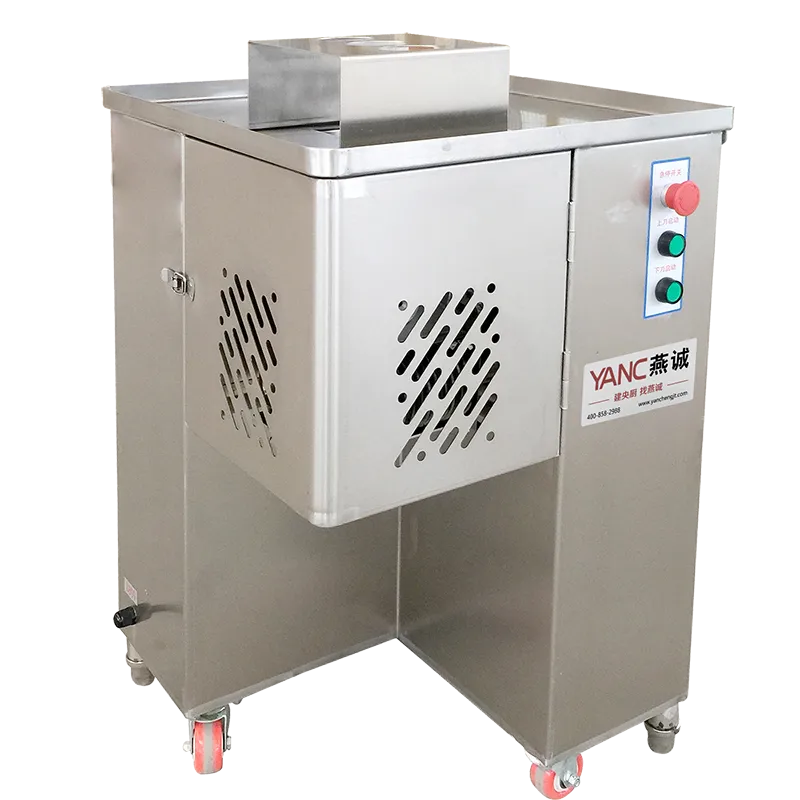
How Quick Blade Replacement Works in Modern Meat Slicers
Cartridge-Based Systems vs. Traditional Bolted Mounts
Many modern meat slicers now come equipped with cartridge based blade systems instead of those old fashioned bolted mounts that needed wrenches and lots of fiddling around. With these new cartridges, changing blades takes less than half a minute according to Food Processing Journal from last year (they reported about 4 minutes average time for older systems). The whole cartridge is sealed so no meat bits get stuck inside where they shouldn't be. Plus there's magnetic stuff that lines everything up properly without needing any kind of calibration. For busy deli counters handling tons of product daily, this means fewer chances of contaminating different meats and saving around 17 percent each year on maintenance expenses. Makes sense when thinking about long term operations costs versus quick fixes.
Ergonomic Lever-Actuated Locking and Tool-Free Disassembly
Modern meat slicers come equipped with special levers that let workers switch blades using just one hand and no extra tools needed. When kitchen staff pull out this locked handle, they can swap blades quickly which cuts down on those annoying wrist pains from repeated motions. According to some numbers from OSHA back in 2022, these devices actually lower injury rates by around 34% in busy restaurant environments. What makes them work so well? Well, there are these little springs holding everything tight while cutting, colored marks showing where parts go right, and textured grips that stay put even when hands get slippery from water or grease. All these clever features not only cut accident chances by about 41%, but they also meet all the strict cleaning standards set by ANSI and NSF organizations.
Sanitary Sealing Standards (ISO 20653) and Cleanability Impact
The quick change systems come with IP69K rated seals that meet ISO 20653 standards, making them suitable for those tough high pressure wash down environments we all know too well. The blade cartridges themselves are pretty impressive too. They have laser welded stainless steel seams that get rid of those pesky crevices where stuff tends to hide. Plus there are these special hydrophobic coatings that actually push away fats and proteins, along with drainage channels that stop fluids from sitting around. Real world testing shows this setup cuts down on biofilm formation by about two thirds when compared to traditional bolted assemblies. And operators notice the difference too, saving roughly 18 minutes each day on cleaning during their shifts. According to recent data from FDA Food Code Audit Trends in 2023, facilities switching to these sealed cartridge systems have seen around 22 percent fewer issues with microbes showing up in their audits.
Meat Slicer Efficiency Gains: Time, Throughput, and Labor Savings
Downtime Reduction: From 4.2 Minutes to <30 Seconds per Blade Swap
Blade replacement systems that cut downtime by almost 90% are changing the game for food processors. These systems bring blade swaps down from around 4 minutes to just over half a minute according to Food Processing Journal research from last year. The secret lies in cartridge style designs that skip all those tedious bolt tightening steps most operators dread. Take a busy delicatessen making 15 or more blade changes each day - these quick change systems save roughly 59 man hours every year on each slicer. That translates into about $1,770 saved annually if labor costs run around $30 per hour. And when business is booming? The difference matters even more. While previous 4 minute interruptions would cause nearly 50 customers waiting in line each hour, these lightning fast replacements keep service flowing without interruption during rush periods.
Real-World Throughput Boost: Deli Chain Pilot Results
A 22-store deli chain implementing quick-swap systems achieved 23% higher throughput with identical staffing. Their pilot data revealed:
| Metric | Before Quick-Swap | After Quick-Swap | Improvement |
|---|---|---|---|
| Slices per hour | 1,840 | 2,264 | +23% |
| Daily capacity | 220 lbs | 271 lbs | +51 lbs |
| Labor cost/lb | $1.20 | $0.97 | -19% |
This throughput gain allowed locations to handle lunch rushes without overtime—a critical advantage amid industry-wide labor shortages. Staff reallocated 18 weekly hours from blade maintenance to customer service and inventory tasks.
Extending Blade Life and Performance in High-Demand Meat Slicing
Molybdenum-Vanadium Steel Blades vs. Standard Stainless: Edge Retention & Corrosion Resistance
How long a blade lasts in commercial meat slicers really depends on what kind of materials go into making them. Blades made from molybdenum-vanadium steel work better than regular stainless steel ones because they have a different mix of metals. These special blades don't bend or warp as easily when cutting large quantities of meat throughout the day. According to a study published in Food Processing Equipment Review back in 2023, blades with vanadium carbide stay sharp about two to three times longer than normal stainless steel alternatives. Plus, the molybdenum component helps protect against rust caused by things like acidic proteins found in meats and common cleaning solutions used in food processing environments.
| Property | Molybdenum-Vanadium Steel | Standard Stainless Steel |
|---|---|---|
| Edge retention | 400–600 hours | 150–200 hours |
| Corrosion resistance | Excellent (pH 2–12) | Moderate (pH 4–10) |
This extended durability reduces replacement frequency by 35–45% in deli operations, directly lowering blade costs and maintenance downtime. The hardened steel matrix also minimizes micro-fractures when slicing frozen meats or bone-in products, ensuring consistent performance where standard blades degrade rapidly.
Safety and Usability Enhancements Built into Advanced Meat Slicers
One-Handed Blade Housing Alignment and Automatic Finger-Guard Interlocks
Today's meat slicers come packed with safety features that cut down on injuries while keeping things running smoothly. Operators can align the blade housing with one hand thanks to those ergonomic levers, which means securing everything takes just seconds instead of fumbling around with awkward twists that lead to sore muscles after hours at work. There are also these automatic finger guards now where sensors stop the blade dead in its tracks whenever someone accidentally removes the protective cover mid-cut. Food processors report about a 72 percent drop in cuts since these models hit the market back in 2024, and staff don't have to pause their workflow every time something happens. Plus, the whole unit doesn't require tools for assembly, making it much easier to clean thoroughly between shifts according to ISO 20653 guidelines. No more hiding spots for bacteria in hard-to-reach corners either. For busy delis handling hundreds of pounds daily, this kind of engineering makes all the difference between smooth operations and constant interruptions.
FAQ Section
What are the benefits of cartridge-based blade systems in meat slicers?
Cartridge-based systems allow for quick and easy blade changes without tools, reducing downtime and contamination risks. They also decrease maintenance expenses and improve overall efficiency.
How do ergonomic lever-actuated locking systems improve safety in meat slicers?
These systems enable tool-free blade swaps with a single hand, reducing repetitive strain injuries and meeting stringent safety standards.
What makes molybdenum-vanadium steel blades superior to standard stainless steel blades?
Molybdenum-vanadium steel blades offer superior edge retention, better corrosion resistance, and longer lifespan, making them ideal for high-demand slicing tasks.
How do quick blade replacement systems impact throughput in delis?
With faster blade swapping, delis experience a significant boost in throughput, allowing them to handle more customers efficiently, reduce labor costs, and manage rush periods more effectively.
Table of Contents
- How Quick Blade Replacement Works in Modern Meat Slicers
- Meat Slicer Efficiency Gains: Time, Throughput, and Labor Savings
- Extending Blade Life and Performance in High-Demand Meat Slicing
- Safety and Usability Enhancements Built into Advanced Meat Slicers
-
FAQ Section
- What are the benefits of cartridge-based blade systems in meat slicers?
- How do ergonomic lever-actuated locking systems improve safety in meat slicers?
- What makes molybdenum-vanadium steel blades superior to standard stainless steel blades?
- How do quick blade replacement systems impact throughput in delis?