
 EN
EN
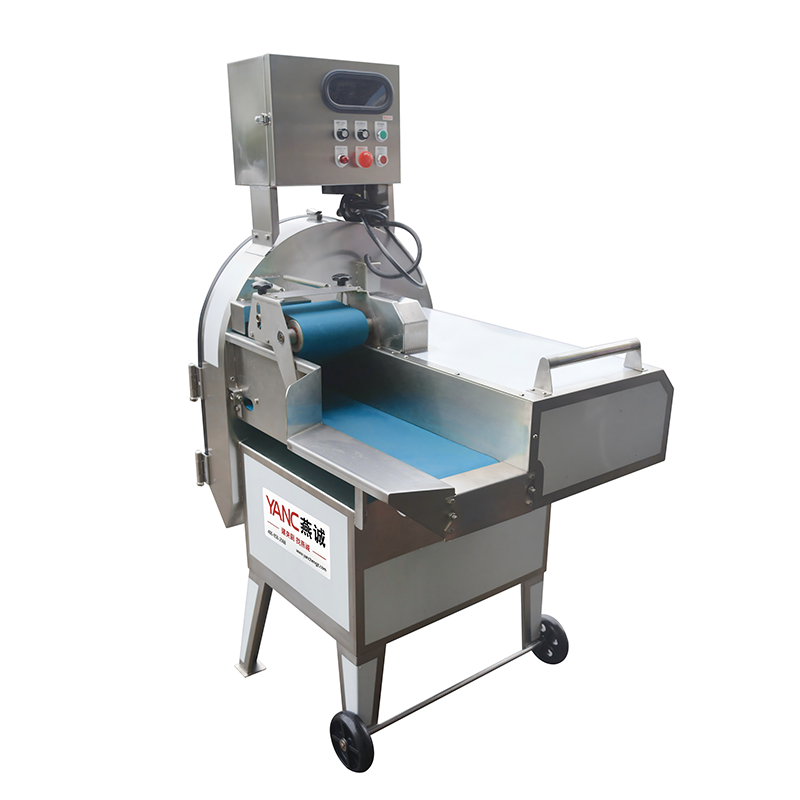
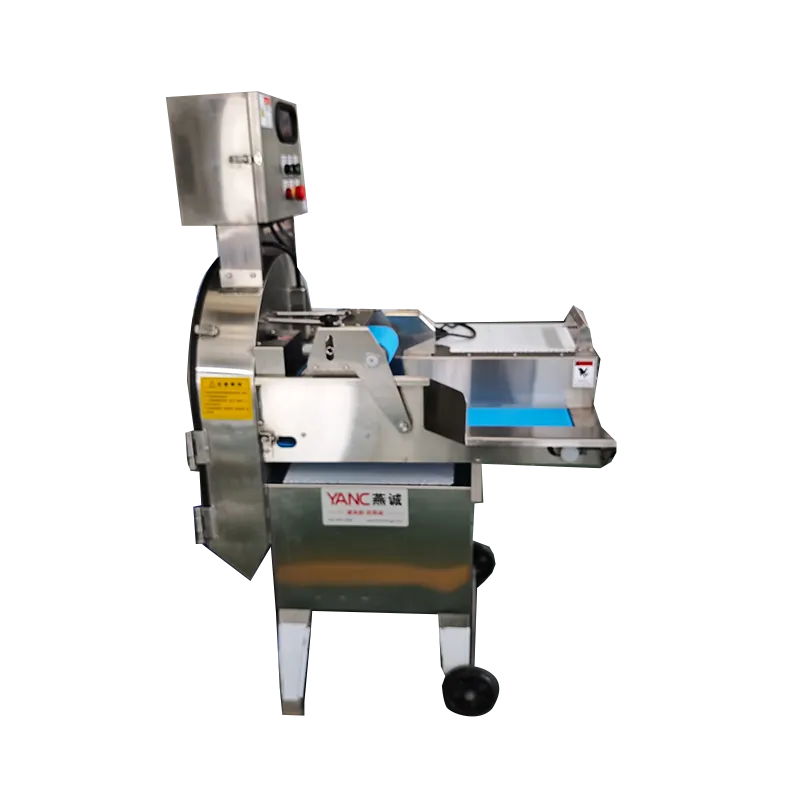
Why Professional Kitchens Need a Purpose-Built Vegetable Slicer
Big kitchens dealing with massive food volumes run into problems regular kitchen gear simply can't handle. That's where specialized veggie slicers come in handy, turning what would otherwise be backbreaking prep work into something much faster and consistent across the board. Let's put numbers to it: chopping veggies manually takes anywhere from 15 to 20 minutes for every 10kg batch, whereas good industrial machines knock that time down to less than five minutes flat. What does that mean? Staff members get freed up to focus on actual cooking instead of repetitive slicing. Getting uniform slices matters too. Uneven pieces cook at different rates, which wastes around 12 to 18 percent of ingredients based on kitchen audits we've seen, plus makes presentation look sloppy. The right safety stuff matters in busy kitchens too. Equipment with protected blades and solid footing cuts down cut injuries by nearly two thirds compared to using regular knives all day long. Looking to buy? Go for NSF certified units made from stainless steel. They'll pass health inspections without issue and hold up through those marathon shifts when the kitchen runs nonstop for eight hours straight.
Core Functional Capabilities: Dicing, Slicing, Shredding, and Grating Explained
Matching Blade Configurations to Menu-Driven Prep Tasks
In professional kitchens, having a good vegetable slicer means being able to get those consistent cuts that match what's on the menu. Most modern slicers come with interchangeable blades these days. Some have dicing grids for making tiny cubes (perfect for brunoise), others feature straight blades great for chiffonade cuts, and there are even julienne attachments that speed up stir fry prep work. Take potatoes for instance. When sliced at exactly 5mm, they roast evenly every time. Coleslaw made from cabbage shredded to around 2mm has just the right crunch without getting soggy. The difference matters. Restaurants using proper blade setups see about 15 percent less wasted veggies overall because everything fits better into what each dish actually needs.
Limitations of 'All-in-One' Design in High-Volume Environments
Multifunction vegetable cutters sound great on paper with their promise of doing it all, but in reality the built-in features tend to hurt performance when used for long periods. Switching quickly from dicing to grating usually means stopping everything for manual adjustments that take around 3 to 5 minutes each time. These changes not only slow things down but also mess with blade alignment and put extra stress on the motor as it struggles with different resistance levels. Restaurants running high volume prep work see about 27 percent more heat-related shutdowns from these combo units compared to machines designed specifically for dicing or shredding alone. And let's not forget about cleaning either food bits get stuck in those complicated parts, making cross contamination a bigger problem during rush hours when staff is already stretched thin.
Industrial-Grade Engineering: Power, Safety, and Sanitation Requirements
Commercial kitchens operate at volumes where consumer-grade tools fail catastrophically. A purpose-built vegetable slicer demands industrial engineering to withstand 8+ hours of daily operation while meeting stringent food safety protocols. This requires three non-negotiable pillars: robust power delivery, failsafe operational safety, and hospital-grade sanitation compliance.
NSF Certification, Stainless Steel Construction, and Tool-Free Disassembly
Food contact surfaces must adhere to NSF/ANSI 2 standards, mandating:
- Non-porous materials: 304 or 316L stainless steel resists corrosion and bacterial colonization
- Seamless welds: Eliminates pathogen-harboring crevices
- Tool-free disassembly: Enables full sanitation in ± 3 minutes between tasks
| Material | Corrosion Resistance | Cost Impact | Kitchen Suitability |
|---|---|---|---|
| Painted Carbon | Low | -40% | Unacceptable |
| 304 Stainless | High | Baseline | Industry Standard |
Without NSF certification, slicers pose contamination risks and violate health codes in 92% of U.S. municipalities.
Motor Specifications and Thermal Management for Continuous Operation
For high volume food preparation operations, motors need to handle around 300 to 500 watts of power output while managing heat effectively. Machines without proper thermal protection systems tend to overheat within about 45 minutes straight cutting time. When this happens, several problems crop up all at once blade speeds drop off, brushes wear out faster than normal, and worst case scenario, the machine shuts down completely right in the middle of service when things are already hectic. That's why serious industrial vegetable cutters come equipped with copper wound motors paired with ceramic bearings these components work together to keep torque levels stable even during those brutal six hour rush periods common in commercial kitchens. Most modern units also feature heat dissipation fins along with automatic shutdown mechanisms triggered when temperatures reach approximately 150 degrees Fahrenheit (about 65 Celsius). These features aren't just nice to have they're essential for preventing equipment failures exactly when operators can least afford them, which means fewer interruptions and less wasted time overall in busy kitchen environments.
Measurable Impact on Labor, Consistency, and Food Cost Control
Standardized Cuts "” Uniform Cooking Times & Reduced Waste
Professional vegetable slicers produce cuts that are pretty much the same every time, which gets rid of those annoying inconsistencies when cutting by hand that lead to some veggies cooking faster than others. When everything is about the same thickness, they cook evenly so nothing ends up too mushy or still raw. Restaurants report saving money because there's less wasted food this way, maybe around 20% less waste in busy commercial kitchens. Plus, since the veggies don't need as much trimming before slicing, chefs save both time and money on ingredients overall.
Labor Efficiency Gains: Real-World Data from Commercial Kitchens
Industry studies show dedicated vegetable cutters reduce prep time by 30–50% compared to manual methods in commercial settings. This efficiency allows staff to reallocate 5–7 hours weekly toward revenue-generating tasks like plating or expediting. The labor savings compound during peak service, increasing throughput while maintaining portion consistency across menu items.
Frequently Asked Questions
Why do professional kitchens prefer specialized vegetable slicers over regular knives?
Professional kitchens prefer specialized vegetable slicers because these machines speed up prep time significantly, offer consistent cuts, and reduce the risk of injuries compared to regular knives.
What should I look for when buying a vegetable slicer for a commercial kitchen?
When purchasing a vegetable slicer for commercial use, it's important to look for models that have NSF certification, stainless steel construction, and tool-free disassembly for easy cleaning and sanitation.
How do specialized vegetable slicers impact food cost control?
Specialized vegetable slicers help control food costs by reducing waste due to standardized cuts that ensure uniform cooking times, leading to less food being thrown out.
Are 'all-in-one' vegetable cutters suitable for high-volume kitchens?
'All-in-one' vegetable cutters may not be ideal for high-volume kitchens because their multifunctionality can hinder performance, lead to more frequent heat-related shutdowns, and complicate cleaning processes.
Table of Contents
- Why Professional Kitchens Need a Purpose-Built Vegetable Slicer
- Core Functional Capabilities: Dicing, Slicing, Shredding, and Grating Explained
- Industrial-Grade Engineering: Power, Safety, and Sanitation Requirements
- Measurable Impact on Labor, Consistency, and Food Cost Control
- Frequently Asked Questions