
 EN
EN
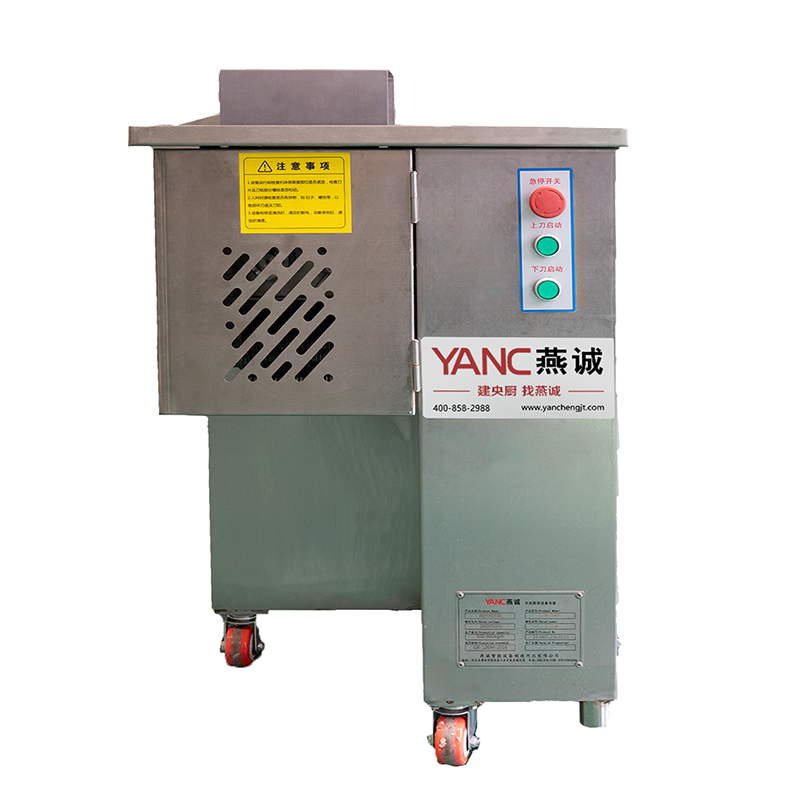
The Evolution of the Meat Slicer: From Basic Blades to Hygienic Smart Design
How Modern Engineering Has Transformed the Traditional Meat Slicer
The latest generation of meat slicers comes equipped with gradient hardened stainless steel blades that stay sharp about 63 percent longer than regular carbon steel ones according to the 2023 Food Processing Equipment Report. This means fewer times needing to sharpen them, which cuts down on cross contamination issues. Slicer manufacturers have also revamped housing designs using antibacterial polymer materials instead of traditional cast iron frames. These new materials stop microbial growth at around 89%, as tested by NSF International back in 2019. Recent surveys show something interesting too. In 2023, over 90% of commercial kitchens reported their meat slicers had quick release features for both blade guards and food pushers. Makes sense really because kitchen staff were constantly complaining about those pesky hard to reach spots where biofilms tend to form.
Key Innovations in Blade Housing That Reduce Food Residue Buildup
Advanced meat slicers employ micro-groove blade covers that channel food particles into removable trays, cutting particulate accumulation by 47% during continuous operation (2022 Equipment Lifecycle Study). Three critical design improvements prevent residue retention:
- Self-sharpening blades with Teflon-reinforced edges eliminate metal shavings mixing with food debris
- Gasket-sealed motor compartments prevent grease migration into critical components
- Interlock sensors halt operation if housing isn’t fully secured post-cleaning
The shift to 360° accessible blade housings has extended average service intervals from 200 to 1,500 hours in commercial environments, according to maintenance logs from 142 U.S. delis analyzed in 2024.
Quick Disassembly Design in Modern Meat Slicers for Faster Cleaning
Tool-Free Dismantling Systems in Contemporary Meat Slicer Models
The latest generation of meat slicers comes with clever quick release systems that make taking them apart a breeze without needing any tools like screwdrivers or wrenches. Instead of bolts and nuts, these machines rely on tension based fasteners and magnetic connections to hold everything together. Restaurant staff can snap off blade guards, slide out food pushers, and detach motor housings all within half a minute flat. A recent look at kitchen operations from last year showed something pretty impressive too kitchens switching to these new designs cut down their cleaning time by almost half compared to older models that required constant wrenching around with bolts.
Modular Components: Simplifying Access to High-Contamination Areas
Leading manufacturers now compartmentalize meat slicers into three key subsystems:
- Blade assembly (removes as single cartridge)
- Carriage track (slides out with food remnants still attached)
- Electronics bay (sealed unit requiring only surface sanitization)
This separation prevents cross-contamination during cleaning while protecting sensitive components from moisture exposure.
Case Study: Reducing Cleaning Time in Commercial Kitchens with Modular Slicers
A Midwest deli chain replaced eight legacy meat slicers with modular units, resulting in:
| Metric | Before | After | Improvement |
|---|---|---|---|
| Daily cleaning time | 22 min | 9 min | 59% faster |
| Weekly deep cleans | 2 hr | 45 min | 62.5% faster |
| Sanitizer usage | 1.3 L | 0.7 L | 46% reduction |
Staff surveys noted the redesign reduced musculoskeletal strain during maintenance tasks by 68%, addressing a key OSHA-reported injury risk in food prep roles.
Hygienic Materials and Surface Treatments in Meat Slicer Construction
Antimicrobial Stainless Steel in High-Contact Areas of the Meat Slicer
These days, most good quality meat slicers come equipped with food safety features built right into their design. They often have parts made from antimicrobial stainless steel not just on the blades but also in those areas where meat actually touches during processing. What makes this special steel so effective? Well, basically it releases tiny amounts of ions that help stop bacteria from taking hold, including nasty stuff like Salmonella and E. coli. Some research out there indicates these treated surfaces can cut down on contamination problems around 70 something percent better than regular stainless steel counterparts. For busy commercial kitchens handling large volumes of product daily, this kind of protection against cross contamination becomes really important when trying to maintain proper hygiene standards throughout operations.
Non-Porous, Easy-Clean Coatings That Resist Bacterial Adhesion
More and more manufacturers are turning to nano ceramic coatings these days because they create really smooth surfaces that just won't let fats and proteins stick around. The good news is these special coatings stop biofilm from forming, which happens to be responsible for about 34 percent of all cross contamination problems seen in slicing equipment according to Food Safety Journal from 2023. When compared to regular textured metal parts, components with these coatings need roughly 40% less scrubbing when it comes time for cleaning. Plus they still meet those important NSF ANSI hygiene requirements that everyone in food processing has to follow. Some plant managers report that this means their staff can spend more time actually producing products rather than fighting stubborn grime after every shift.
Balancing Cost and Durability: Why Premium Materials Matter for Long-Term Hygiene
Cheaper plastics and untreated metals might save money initially but tend to break down after multiple rounds of chemical cleaning. On the other hand, premium stainless steel that comes with corrosion resistant coatings can last anywhere from 8 to 12 years in most cases. Budget alternatives typically only make it 3 to 5 years before needing replacement. The longer lifespan means fewer replacements over time and better hygiene maintenance throughout. According to recent data from the National Restaurant Association (2024), around three out of four commercial kitchens actually see savings in the long run when investing in these higher quality materials.
Best Practices for Routine Meat Slicer Maintenance and Sanitization
Step-by-Step Daily Cleaning Protocol for Commercial Meat Slicers
Start with turning off and unplugging the meat slicer completely. Take apart anything that can come loose including the blade guard and the tray that sits under the meat. For cleaning, grab some good quality food sanitizer that's at least 70 degrees Celsius when mixed properly. Nylon brushes work wonders for getting into those tight spots where bits of meat tend to stick and build up over time. Restaurants that manage to give their slicers a thorough cleaning every four hours instead of just twice a day see around a 62% drop in contamination issues according to industry studies. Don't rush the drying process either. Let everything air dry fully before putting it all back together. Moisture left behind creates perfect conditions for bacteria to grow, which nobody wants when handling food products.
Weekly Deep-Cleaning Routines to Prevent Biofilm Formation
Take apart the whole meat slicer, from the blade housing right down to those motor covers. Let all the parts soak in some good quality enzymatic cleaner for around 15 minutes to tackle those stubborn protein deposits, followed by a proper sanitizing with NSF certified products. Food safety studies suggest this method gets rid of nearly all (about 98%) of those pesky Listeria monocytogenes biofilms. Don't forget to check the blade edges closely with a magnifying glass too. Even tiny scratches can become breeding grounds for bacteria, and damaged blades actually hold about three times more pathogens compared to blades in good condition.
Common Maintenance Mistakes That Compromise Meat Slicer Hygiene
- Neglecting blade housing sanitation: 41% of commercial kitchens fail to clean this high-risk area daily
- Using abrasive scrubbers: Scratches stainless steel surfaces, increasing bacterial adhesion by 75%
- Improper reassembly: Misaligned components create new contamination zones in 33% of cases
Establish color-coded cleaning tools (red for blades, blue for surfaces) to prevent cross-contamination during maintenance.
FAQ
What are the benefits of using antimicrobial stainless steel in meat slicers?
Antimicrobial stainless steel releases ions that inhibit bacterial growth, reducing contamination risks from pathogens like Salmonella and E. coli.
How do modern meat slicers reduce cleaning time?
They feature tool-free disassembly systems, tension-based fasteners, and magnetic connections for quick cleaning, cutting down maintenance time significantly.
Why are non-porous coatings important in meat slicers?
Non-porous coatings prevent the buildup of fats and proteins, reducing biofilm formation and making the cleaning process quicker and more effective.
What is the recommended cleaning protocol for commercial meat slicers?
Daily protocols include dismantling, sanitizing with proper products, and allowing parts to air dry completely. Weekly deep cleans involve enzymatic soaking and thorough inspection for wear and damage.