
 EN
EN
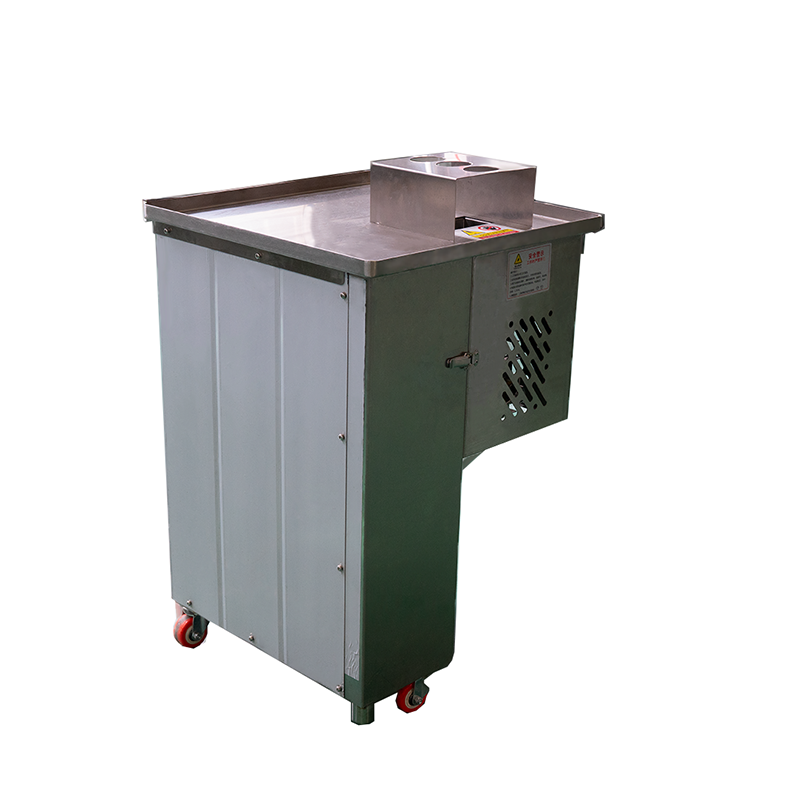
Maximizing Throughput in Modern Meat Processing: The Role of the Meat Slicer
The Growing Demand for Efficiency in Commercial Meat Operations
Since 2020, meat processors have seen their production needs jump by nearly 40%, mostly because consumers want more pre-sliced options and ready to cook protein products these days. Finding enough workers has made things even harder on operations budgets, with many plants spending around $740 thousand extra each year just covering overtime costs. Automated slicing tech isn't something companies can put off anymore if they want to stay profitable. Meat processors handling everything from beef cuts to chicken portions found themselves scrambling last year when almost three quarters of major facilities spent money upgrading equipment to keep up with non stop production demands.
How High-Capacity Slicing (Up to 1000kg/hour) Enhances Production Speed
Industrial-grade meat slicers with 800–1000kg/hour throughput reduce changeover downtime by 47% compared to legacy systems. This capacity aligns seamlessly with standard 8-hour shift quotas, significantly boosting output:
| Protein Type | Manual Output | Automated 1000kg/h System |
|---|---|---|
| Beef Brisket | 220kg | 920kg |
| Deli Turkey | 180kg | 980kg |
| Pork Loin | 250kg | 990kg |
Dual conveyor systems maintain blade momentum during product transitions, eliminating the need for manual speed recalibration—previously responsible for 12 minutes of lost efficiency per hour.
Case Study: Impact of Automated Slicing Systems on Industrial Output
During a test run lasting about three months, this new slicing tech actually boosted chicken breast yields by around 15.3 percent because it could cut with such precise thickness control down to the millimeter level. What really caught attention was how the automatic calibration system cut down blade maintenance time dramatically - instead of spending nearly half an hour each day on maintenance, workers only needed about seven minutes now. This meant production lines stayed running smoothly even when demand spiked seasonally. And there's more good news for early users who saw their trim losses drop by roughly 12.5%. Considering wholesale meat costs hit about $5.42 per kilogram last second quarter of 2024, those savings start adding up pretty fast for processors looking to tighten their bottom line.
Achieving Precision and Uniformity Through Automation
Advanced Cutting Techniques for Consistent Slice Quality
Today's meat slicers can hit around 0.01 inch accuracy thanks to those fancy servo controlled blades plus some smart pressure adjustments. The real advantage? They cut things like bacon and prosciutto super evenly, so there's way less waste when portions aren't all over the map. Take spiral cut hams for instance. Meat processors report cutting down on trim losses by roughly 12 percent when they switch from old school manual slicing to these new oscillating blades. That means better yields overall and packages that look much more consistent on store shelves too.
Sensor Integration for Real-Time Accuracy in the Meat Slicer Workflow
The combination of infrared thickness sensors along with 3D surface mapping creates feedback systems that can tweak blade angles and speeds as they go. The system makes allowances for all sorts of variables like different bone structures, how rigid meat becomes when it gets cold, and those pesky fat deposits that make cutting so tricky. This helps maintain uniform weights across the board while keeping quality standards high. For chicken processors specifically, these kinds of systems cut down on overportioning mistakes quite a bit actually around 18% if we believe what the USDA Efficiency Report from last year claims. Not bad at all considering how complicated meat processing really is.
Balancing Automation and Human Oversight in Precision Control
Automation handles about 92% of all slicing work these days, though experienced techs still play a crucial role in keeping things running smoothly. They watch out for worn blades and know when it's time to replace them once they reach around 0.15mm of erosion. When problems pop up like frozen meat sections getting stuck, these folks step in to fix things. Weekly checks on slicing parameters are another part of their routine to ensure everything stays consistent. Top notch processing plants have found a sweet spot between machines and humans. The AI might suggest tweaks to settings, but ultimately a person needs to sign off on any changes that could impact food safety standards or how the final product looks and feels. After all, no algorithm can completely replace years of hands-on experience in the kitchen.
Optimizing Yield and Reducing Waste Across Protein Types
Automated Portioning of Chicken, Beef, Pork, and Mutton for Maximum Efficiency
Portioning systems that can be programmed handle all sorts of proteins, whether it's delicate chicken breasts or tough mutton cuts, cutting down on mistakes made during manual handling by around 23% when dealing with multiple proteins at once. These systems use built-in weight sensors along with smart algorithms to maintain consistency even when faced with different sized cuts coming through the line. For meat processing plants that work with over fifteen different kinds of proteins each week, this kind of adaptability makes a real difference in day to day operations.
Customizable Blade Settings and Slice Thickness to Minimize Trim Loss
The latest blade interface technology gives chefs control down to the millimeter across fourteen different meat textures ranging from tender veal cuts all the way to tough jerky stuff. Meat processors can actually save dozens of preset settings for various tasks. For instance, those angled blades help keep around 0.8mm of fat intact when taking apart lamb ribs, while pulsing the cut helps avoid flaking issues with fatty pork belly sections. The serrated edges come in handy too, preserving chicken skin integrity even during super thin slices. All this fine tuning cuts down on wasted trim material somewhere between 18 and maybe 27 percent compared to older fixed blade systems. Makes a real difference especially with fancy marbled beef cuts and specialty heritage pork varieties where every ounce counts.
Reducing Overportioning Through Consistent, Automated Slicing
Modern meat slicers equipped with vision technology hit around 99% accuracy when dealing with tricky cuts such as lamb shoulders or venison haunches. These machines work by scanning the meat in three dimensions and then adjusting how they slice based on pre-set template measurements. The result? Less waste overall compared to traditional methods where workers often end up giving customers extra meat by accident. We're talking about reducing those overgenerous portions that happen about 6 to 8 times out of 100 in regular butcher shops. The financial impact adds up fast too. Take a modest sized facility processing Kobe beef for example. Even just improving their yield by 1 percentage point could mean saving around $740,000 each year, as reported in the latest issue of Meat Processing Quarterly.
Innovations Driving the Next Generation of Meat Slicer Technology
Smart Features: Auto-Feed, Self-Sharpening Blades, and Predictive Maintenance
When it comes to making things work better for longer periods, AI powered automation really steps up game. The auto feed systems these days can actually change how they slice stuff depending on what they see happening right then with textures. Meanwhile those fancy self sharpening blades stay pretty sharp throughout their whole shift, sometimes lasting well beyond twelve straight hours without needing attention. There are also these predictive maintenance sensors watching out for when blades start wearing down or motors get too stressed. They send warnings ahead of time so problems don't catch anyone off guard. Factories using this tech reported cutting unexpected stoppages by about forty two percent during tests last year alone.
High-Speed Motors and Continuous Operation for Non-Stop Production
The high torque motors running between 1200 to 1500 RPM work alongside liquid cooling systems so they can slice continuously at speeds exceeding 800 kilograms per hour. What makes these machines really stand out is their ability to adjust motor power based on what's being cut. When dealing with dense cuts like beef sirloin or delicate items such as thinly sliced turkey, the system knows exactly how much force to apply, which keeps things moving smoothly without any blockages. And let's not forget about heat management either. These units stay cool and perform consistently even when暑 temperatures hit 40 degrees Celsius, something many standard slicers just can't handle. That kind of reliability matters a lot in busy meat processing plants where downtime means lost money and unhappy customers.
Specialized Blade Dynamics for Cured and Tough Meats
Diamond-coated blades with tapered cutting angles cleanly slice fibrous proteins like smoked brisket and dry-cured ham without tearing. For frozen applications, cryogenically treated stainless steel blades operating at -18°C (0°F) minimize shatter in flash-frozen pork loins—reducing product damage by 67% compared to conventional blades.
Design Challenge: Merging Advanced Features with Operational Reliability
These days, engineers are putting just as much emphasis on making things last as they do coming up with new ideas. Take a look at what's happening lately: we've got these modular control panels that can handle IP69K ratings, meaning they stand up to even the toughest cleaning processes. There are also backup circuits built right in that keep essential cutting operations running when sensors go down. The numbers tell the story too field tests show these mixed approach systems manage around 98.6% uptime in those damp processing areas where equipment tends to fail so often. What this really means is manufacturers don't have to choose between having cutting edge tech and getting reliable performance from their machines anymore.
FAQ
Why is automated slicing technology critical in meat processing now?
Automated slicing technology is critical because it addresses inefficiencies caused by labor shortages and rising overtime costs while increasing production throughput, reducing waste, and ensuring uniformity and precision in meat cutting.
How do high-capacity slicers enhance production speed?
High-capacity slicers enhance production speed by reducing changeover downtime, maintaining consistency with dual conveyor systems, and significantly boosting output compared to manual slicing methods.
What benefits do modern meat slicers offer in terms of automation?
Modern meat slicers offer automation benefits such as precision cutting, reduced maintenance time, trim loss minimization, and integration of sensor technology for real-time accuracy and efficiency.
How do meat processing factories balance automation and human oversight?
Factories balance automation and human oversight by utilizing skilled technicians to monitor and adjust machinery, ensure food safety standards, and make critical decisions that machines alone cannot handle.
How does the latest blade technology minimize waste?
The latest blade technology minimizes waste by offering customizable settings to accommodate various meat textures, angles to preserve specific parts like fat and skin, and serrated edges for maintaining quality during slicing.
Table of Contents
- Maximizing Throughput in Modern Meat Processing: The Role of the Meat Slicer
- Achieving Precision and Uniformity Through Automation
- Optimizing Yield and Reducing Waste Across Protein Types
- Innovations Driving the Next Generation of Meat Slicer Technology
-
FAQ
- Why is automated slicing technology critical in meat processing now?
- How do high-capacity slicers enhance production speed?
- What benefits do modern meat slicers offer in terms of automation?
- How do meat processing factories balance automation and human oversight?
- How does the latest blade technology minimize waste?