
 EN
EN
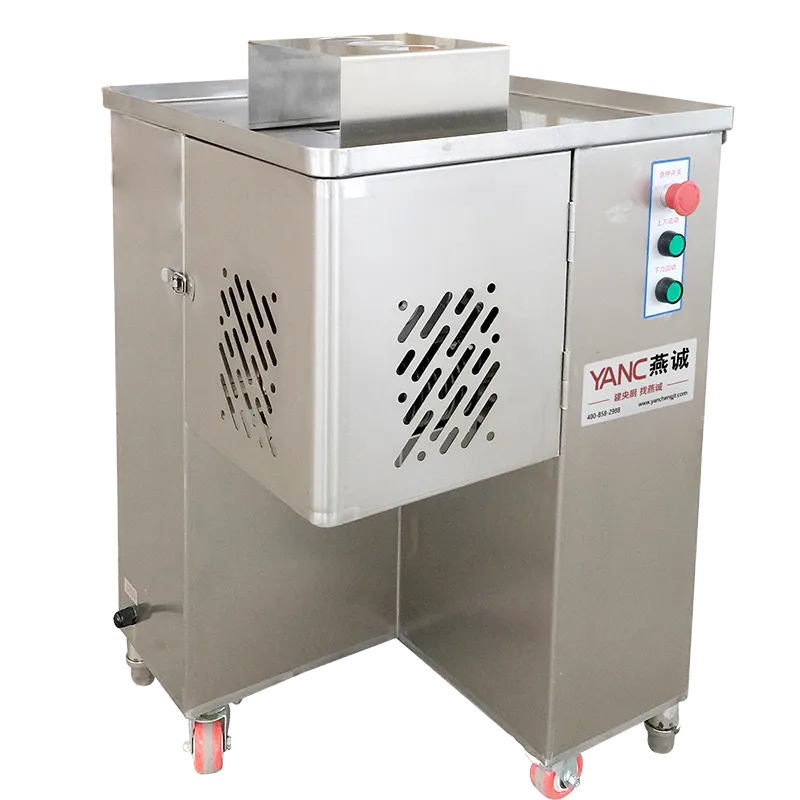
Automating Repetitive Slicing to Cut Direct Labor Hours About Meat Slicer
Time Savings: Manual vs. Meat Slicer Throughput per Shift
A commercial kitchen staffed with people cutting meat by hand typically needs about 45 minutes to get through 10 pounds of roast beef. Throw in a professional meat slicer though, and that same job gets done in around 8 minutes flat according to industry standards from last year. The time savings really stack up when business is busy. What used to take six long hours on weekends now wraps up in just one hour. And those daily deli slicing tasks that consumed two whole hours? They're down to barely twenty minutes with modern equipment. Employees can crank out three times as much work each shift, which adds up to somewhere between fifteen thousand and twenty-five thousand dollars saved annually on labor costs alone for each slicer installed.
Staff Reallocation Opportunities Across Deli and Prep Stations
When kitchens implement automated slicing machines, each employee gains back around 4 to 5 hours every week. Managers tend to put this extra time to good use, focusing on things that really matter during busy periods. Think about specialty sandwiches getting assembled faster at lunchtime, keeping track of what's left in stock as orders come in, and actually interacting with customers instead of just working behind the scenes. According to research published in the Food Safety Journal last year, these changes cut down on repetitive strain injuries by nearly a third. Plus, staff members get better at multiple tasks through cross training, moving away from boring prep work into positions where they directly contribute to bringing in money for the business.
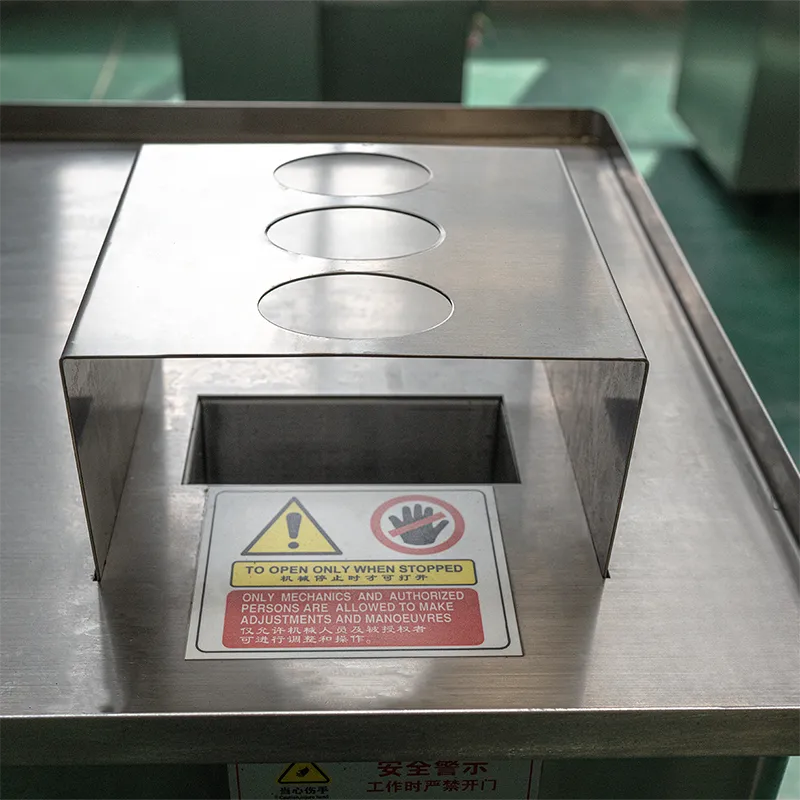
Boosting Kitchen Throughput and Order Accuracy with a Meat Slicer
Reducing Bottlenecks During Peak Service Hours
When the lunch crowd hits or dinner rush kicks in, cutting meat by hand just slows everything down. Customers end up waiting longer while staff members have to put aside other important tasks like getting orders ready and setting tables. Commercial meat slicers can handle around 50 pounds of meat every hour, whereas doing it manually only gets about 10 to 15 pounds done. That kind of difference makes a huge impact on keeping things moving smoothly at the deli counter. Restaurant operators report seeing roughly 30 to 40 percent fewer delays during busy hours when they switch to mechanical slicing. The result? Tables get turned over faster and meals reach customers reliably without needing extra help behind the scenes.
Minimizing Human Error in Thickness and Portion Consistency
When chefs slice meats by hand, they often end up with pieces that vary in thickness and weight. This leads to uneven cooking times, frustrated customers, and plenty of wasted food. Some restaurants report throwing away around 15% of their product because slices are too thick or need trimming before serving. Meat slicers change this whole game. These machines have adjustable settings that let staff set exact thicknesses between about 1mm to 3mm. Every cut comes out pretty much the same size, which is super important when following recipes and meeting those pesky food safety regulations. The result? Better tracking of what goes into each dish, tighter control over how much gets served, and fewer surprises at month end when calculating costs for different protein items on the menu.
Improving Portion Control, Reducing Waste, and Accelerating ROI
Precise Meat Slicer Adjustments for Standardized Portions and Inventory Traceability
Meat slicers used in commercial settings can control slice thickness down to the millimeter, which means every cut comes out pretty much the same size. This helps prevent those big portions that often end up going to waste, something studies show accounts for around 15 to 20 percent loss in deli meats alone. The newer digital versions let staff save specific settings for various types of meat products, plus they keep track of everything through detailed logs that make inventory checks much easier. Restaurants and grocery stores report cutting down on wasted food by roughly 20 to 30 percent when using these machines regularly. Plus, following standard recipe measurements becomes simpler, and maintaining proper food safety standards is just part of daily operations now.
Calculating Total Cost of Ownership vs. Annual Labor + Waste Savings
A commercial meat slicer’s return on investment hinges on three measurable efficiencies:
- Labor efficiency: 50–70% reduction in manual slicing time per shift
- Waste reduction: 15–25% monthly decrease in protein spillage and trim loss
- Consistency benefits: 8–12 weekly labor hours saved by eliminating rework from uneven cuts
For a mid-volume deli, a $2,000 industrial slicer typically achieves payback in 10–14 months. Larger operations report $18,000–$26,000 in annual savings–making ROI both predictable and rapid.
FAQ
What are the benefits of using a meat slicer in a commercial kitchen?
Using a meat slicer in a commercial kitchen offers time savings, labor cost reductions, improved portion control, and consistency in meat thickness. It also helps in reducing waste and enhances operational efficiency.
How can meat slicers reduce labor costs?
Meat slicers cut down on manual slicing time significantly, allowing employees to work more efficiently. This leads to decreased labor hours and annual savings ranging from fifteen to twenty-five thousand dollars for each slicer installed.
Can meat slicers improve food safety and regulations compliance?
Yes, meat slicers can improve food safety compliance by providing consistent slice thicknesses, which helps owners ensure adherence to food safety standards and reduce wastage through accurate portion control.