
 EN
EN
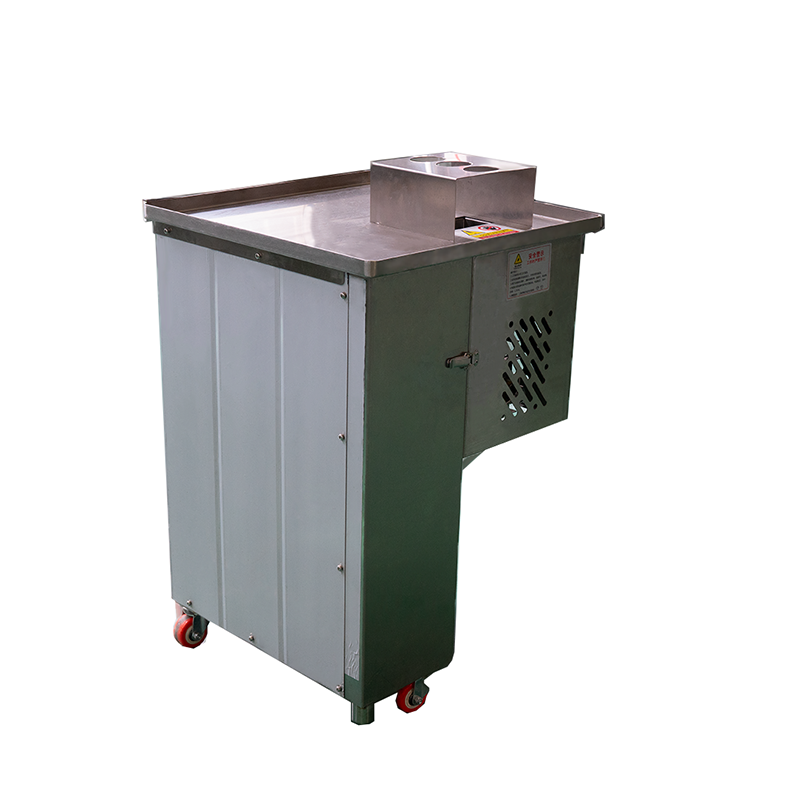
Precision and Consistent Portion Control with a Meat Slicer
Uniform slicing for standardized serving sizes and operational consistency
Commercial meat slicers cut down on mistakes during food prep by slicing proteins and cheeses with pinpoint accuracy. The machines come with settings that let staff adjust how thick each slice comes out, so every batch looks pretty much the same. This matters a lot in busy kitchens where recipes need to stay consistent from morning till night. Customers end up getting sandwiches that taste just as good at lunchtime as they do when grabbing breakfast, because the slices are always uniform regardless of when they're made.
How consistent cuts improve inventory tracking and reduce over-portioning
Having consistent portion sizes makes it much easier to figure out how much ingredients will be needed since we get predictable results from each batch. Take for instance when every 8 oz serving gives precisely 12 slices - this lets restaurant managers compare actual meat consumption with what was sold, achieving around 98% accuracy in their tracking. The benefits go beyond just numbers though. Getting those cuts right on the money helps prevent situations where staff accidentally give customers too much food. Industry studies show that better control over portions can cut down wasted protein costs significantly, saving roughly seven thousand two hundred dollars annually at each establishment.
Data: Up to 40% reduction in portion variability in commercial kitchens
Benchmarks show significant improvements in portion control after adopting commercial-grade slicers:
| Measurement | Manual Slicing | Meat Slicer | Improvement |
|---|---|---|---|
| Slice thickness range | ±3.2mm | ±0.5mm | 84% |
| Portion weight variance | 22% | 13% | 41% |
| Weekly correction passes | 9 | 2 | 78% |
These metrics reflect tighter control over output, reducing rework and improving kitchen efficiency.
Case study: Butcher shop boosts customer satisfaction through repeatable quality
The local butcher shop down the street noticed something interesting after they got those fancy new slicing machines installed. Customer complaints? They basically vanished, dropping around two thirds in just half a year. The real game changer was their famous smoked turkey breast slices, which are now cut exactly 1.5 millimeters thick every time. Sandwich places and those meal prep joints love having such consistent cuts since they need ingredients that work reliably day after day. People started talking about how good the quality had become too. Check online reviews from last year versus this year, and mentions of consistent quality jumped nearly nine out of ten times. Makes sense really when you think about what happens when food looks as good as it tastes.
Labor Efficiency and Time Savings in High-Volume Food Preparation
Automated slicing vs. manual cutting: Speed and reliability in busy environments
In high-demand settings, meat slicers process 12–15 pounds per minute with consistent precision. Unlike hand-cutting—which slows during rush periods due to fatigue—automated systems maintain 98% uptime even during extended shifts, as documented in the 2023 Food Tech Report on airport commissary operations.
Time savings analysis: Manual prep vs. meat slicer performance benchmarks
Portioning a 50-pound pork loin takes 85 minutes manually versus just 25 minutes with a slicer—a 60-minute saving per batch. Across three daily prep cycles, this translates to 180 reclaimed labor hours monthly, freeing staff for higher-value tasks such as menu development or sanitation audits.
Data: Facilities report up to 70% reduction in meat prep time
Kitchens using meat slicers report 43% faster sandwich station setup and 68% shorter charcuterie board assembly times. This increased throughput enables midsize caterers to produce 220 platters per shift instead of 130—an improvement of 69% without additional staffing.
Case study: Supermarket deli streamlines daily operations with automated slicing
A 12-store grocery chain reduced lunchmeat labor costs by 34% after installing precision slicers. By switching from pre-sliced batches to on-demand slicing during peak hours, they cut daily meat waste from 18 pounds to 4.7 pounds per location while meeting real-time demand more efficiently.
Reduction in Food Waste and Cost Savings Through On-Demand Slicing
Minimizing spoilage with just-in-time slicing and better portion management
Meat slicers allow kitchens to prepare only what’s needed for immediate service, eliminating waste from pre-sliced ingredients that spoil before use. This just-in-time approach reduces overproduction by 18–22% compared to traditional batch slicing methods in high-volume environments.
Extended shelf life of bulk ingredients by delaying the slicing process
Whole cuts of meat and cheese stay fresh 3–5 days longer than pre-sliced versions when stored properly. Commercial facilities using delayed slicing report 27% fewer weekly inventory write-offs due to expired products.
Data: 25–30% less food waste in delis using on-demand meat slicers
A 2023 National Restaurant Association study found delis equipped with meat slicers wasted 1,200 fewer pounds of protein annually than those relying on manual prep. Precision thickness controls alone contributed to a 34% reduction in trim loss across participating locations.
Economic benefits: Bulk purchasing power and 15–20% lower cost per pound
Unprocessed bulk meats cost $1.80–$2.30 less per pound than pre-sliced alternatives. Combined with waste reduction, in-house slicing delivers average annual savings of $12,000–$18,000 per facility.
Case study: Catering company reduces trim loss and overhead with precision cuts
A Midwestern catering provider decreased weekly meat waste from 38 lbs to 9 lbs after adopting scheduled slicer prep. The resulting $11,200 annual saving enabled reinvestment in a second unit, further reducing labor needs by 15 hours per week.
Versatility Across Food Types and Operational Environments
Slicing Meats, Cheeses, Vegetables, and Fruits Efficiently With One Machine
Today's meat slicers aren't just for cutting meat anymore. These machines tackle everything from proteins to dairy products and even fresh vegetables, with blade settings that can get as precise as half a millimeter. What's really impressive is how versatile they are. One machine can slice thin deli-style brisket, create those see-through cucumber rounds people love on salads, and cut apples into perfectly uniform pieces for fancy charcuterie boards without falling apart. The bigger industrial versions can crank out between 80 to maybe 120 pounds per hour when working with all sorts of different materials. This kind of versatility means restaurants and food processors save money too, cutting down their equipment expenses by somewhere around 40 to 60 percent instead of buying separate gadgets for each task. According to research published in Food Processing Journal last year, these multi-tasking slicers are changing the game in commercial kitchens everywhere.
Adaptability in Butcher Shops, Supermarkets, and Ready-Meal Production Facilities
Modular meat slicers work across all sorts of operations, from little butcher shops handling about 15 pounds daily right up to big automated lines cranking out frozen meal kits at 1,200 pounds per hour. These machines adjust well to different spaces and production needs. Supermarkets have started putting them to good use for fresh prosciutto slices when customers ask, plus getting vegetables prepped during slow hours. The ready meal industry sees real benefits too. Manufacturers say switching between meat and plant based products happens about 22 percent quicker compared to older equipment. This kind of flexibility makes sense for businesses dealing with changing market demands while keeping costs down.
Case Study: Multi-Category Use in a Large-Scale Food Processing Plant
A food processing plant somewhere in the Midwest that makes around 18 million meals every year managed to shrink their kitchen space quite a bit after they started using these versatile slicing machines. What used to need three different pieces of equipment for things like slicing roast beef at 3.5 millimeters thick, cutting cheddar cheese blocks into 2 mm slices, and julienning butternut squash down to just 1 mm? Now all those jobs get done with one machine. The change saved them about twelve thousand dollars each month on repairs and maintenance alone. Plus, when they checked how much they were getting done over the past couple years, they found slicing output had actually gone up by roughly 30% or so between 2022 and early 2023.
Improved Food Safety, Sanitation, and Professional Presentation
Reduced Contamination Risk Through Minimized Handling and Sanitary Design
Meat slicers these days cut down on cross contamination because they reduce how much hands actually touch the food during processing. The commercial grade ones come with really smooth surfaces that don't have those little cracks where bacteria love to hide, plus they use parts certified by NSF standards that fight off germs better. Cleaning them is also easier since there's less nooks and crannies to worry about. A report from Food Safety Tech back in 2022 showed something interesting too. Places that switched to automatic slicing had around 42 percent fewer problems when testing surfaces for contamination compared to old fashioned manual cutting areas. Makes sense really, less human contact means cleaner operations overall.
Hygienic Features in Modern Meat Slicers
Leading models include antimicrobial blade coatings, dishwasher-safe removable parts, and touch-free motor housings to meet HACCP standards. These innovations address persistent hygiene challenges in high-moisture areas like deli counters and processing lines.
Data: 35% Decrease in Contamination Incidents
Operational data from 160 U.S. food establishments shows a 35% reduction in contamination-related recalls over 12 months after upgrading to advanced slicing systems (Food Processing Safety Journal 2023). This improvement correlates directly with enhanced sanitation practices and reduced hand-to-food contact.
Enhanced Plating Aesthetics and Perceived Quality
Precision-calibrated blades produce uniform slices that elevate visual presentation in charcuterie boards, sandwiches, and banquet plating. Upscale steakhouses report 28% higher customer satisfaction scores when using slicers for portion-controlled carpaccio and paper-thin cured meat displays (Culinary Trends Survey 2023), underscoring the link between consistency and perceived quality.
Read the FAQs below for more insights on using meat slicers in commercial kitchens:
FAQs
Q: How do meat slicers contribute to portion control?
A: Meat slicers provide precise and uniform slices, making it easier to maintain consistent portion sizes. This ensures that every serving matches the intended weight and reduces the chances of over-portioning, thus improving inventory management.
Q: How can meat slicers reduce food waste?
A: By allowing just-in-time slicing rather than pre-slicing, meat slicers reduce the risk of spoilage and overproduction. This approach leads to fewer expired products and reduced food waste.
Q: What features make meat slicers hygienic?
A: Modern meat slicers feature antimicrobial blade coatings, dishwasher-safe removable parts, and minimalistic designs that prevent bacteria build-up, enhancing overall food safety.
Q: Can one machine handle different types of food?
A: Yes, contemporary meat slicers are versatile and can slice various food items including meats, cheeses, vegetables, and fruits with precision, reducing the need for multiple machines in a kitchen.
Table of Contents
-
Precision and Consistent Portion Control with a Meat Slicer
- Uniform slicing for standardized serving sizes and operational consistency
- How consistent cuts improve inventory tracking and reduce over-portioning
- Data: Up to 40% reduction in portion variability in commercial kitchens
- Case study: Butcher shop boosts customer satisfaction through repeatable quality
- Labor Efficiency and Time Savings in High-Volume Food Preparation
-
Reduction in Food Waste and Cost Savings Through On-Demand Slicing
- Minimizing spoilage with just-in-time slicing and better portion management
- Extended shelf life of bulk ingredients by delaying the slicing process
- Data: 25–30% less food waste in delis using on-demand meat slicers
- Economic benefits: Bulk purchasing power and 15–20% lower cost per pound
- Case study: Catering company reduces trim loss and overhead with precision cuts
- Versatility Across Food Types and Operational Environments
- Improved Food Safety, Sanitation, and Professional Presentation
- Read the FAQs below for more insights on using meat slicers in commercial kitchens: