
 EN
EN
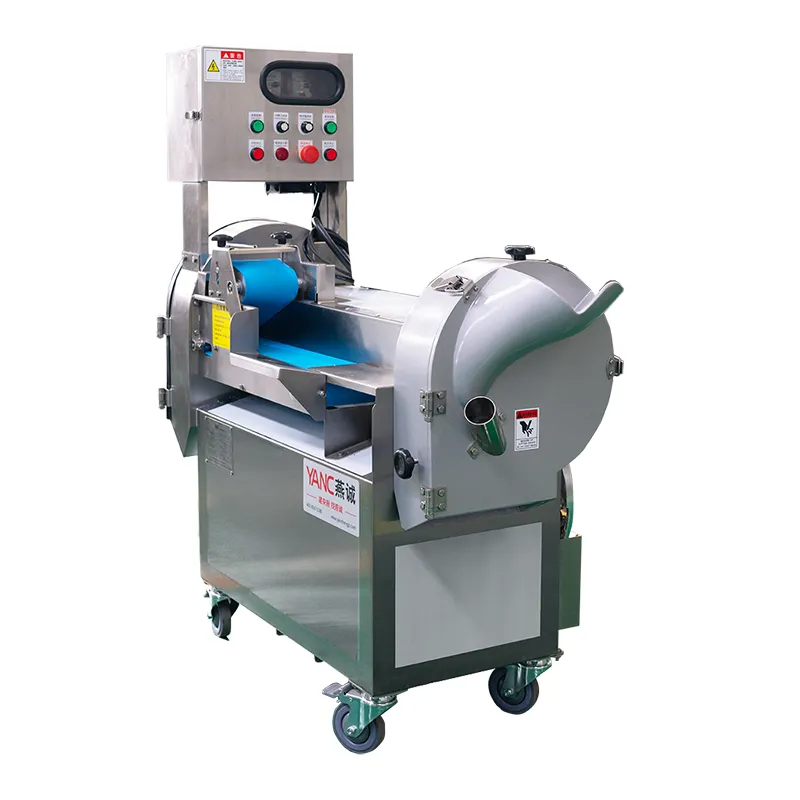
Why Uniform Cuts Matter: The Culinary and Operational Impact of Precision About Vegetable Slicer
Getting those veggies cut evenly matters way beyond just looking good on the plate. When all the pieces are roughly the same size, they cook at about the same rate. No more situation where tiny bits burn while big chunks stay raw inside. Home cooks know this from experience when making stir-fry or roasting vegetables. The difference in cooking time between different sized pieces can ruin the whole dish. Uniform cuts mean better flavor because everything gets properly cooked through. Texture stays consistent too, which is why professional kitchens spend so much time prepping ingredients right. Whether it's for quick pan dishes or slow roasted sides, proper cutting makes all the difference in the final result.
When it comes to kitchen operations, having consistent cuts really makes things run smoother. Prep cooks end up saving about 15 to 20 minutes every day because they don't have to tweak cooking times or deal with odd shaped pieces when rush hour hits. The safety aspect gets better too. When everything is uniform size, there's less frantic chopping going on during mass production runs. Those sudden knife motions are actually responsible for around a quarter of all kitchen cuts in professional environments. Switching from just knives to something like a veggie slicer helps maintain those exact portions, which matters a lot for keeping food costs down. A cooking school did some tracking and found their waste dropped by nearly 30% once they started using these precision cutters. That kind of efficiency doesn't just look good on paper either it translates directly into real money saved at the bottom line.
Key Vegetable Slicer Design Features That Deliver Reliable Precision
Blade Material and Geometry: Stainless Steel vs. Ceramic for Edge Retention and Food Safety
What kind of blade someone has can make all the difference when it comes to how well it works, stays safe, and lasts over time. Most professional kitchens stick with stainless steel because it doesn't rust easily, holds up against constant chopping and slicing, and keeps that sharp edge even after being used thousands of times without bending out of shape. Ceramic blades are another option though. They stay sharp forever basically, which means less frequent sharpening, plus they don't leave any metal flavor behind when cutting fruits or vegetables something chefs really care about for things like tomatoes or herbs. The downside? These ceramic blades break much easier than steel ones if dropped or hit too hard, so they need extra attention during daily kitchen operations.
Both materials require optimized geometry: a 15–20° bevel angle ensures clean, low-resistance cuts that preserve cell structure, minimize oxidation, and support food safety. Smooth, non-porous surfaces resist bacterial adhesion, aligning with FDA Food Code standards for equipment sanitation. Proper geometry also reduces friction-induced sticking—critical for high-volume, uninterrupted processing.
Adjustable Guides and Interchangeable Blades for Dicing, Slicing, and Shredding Versatility
Modular blade systems and precision guides are what turn a single tool into a multi-functional asset. Interchangeable blades enable rapid transitions between:
- Dicing (3–25mm cubes)
- Slicing (0.5–15mm thickness)
- Shredding (julienne or coarse grating)
The adjustable guides hold fruits and veggies at just the right angle so the blade makes even contact across all shapes and sizes. This keeps things accurate down to about half a millimeter without needing constant adjustments by hand. Most commercial versions come with blades that snap right out and back in again in less than ten seconds flat, which really helps when the kitchen gets busy during lunch rushes. Combine them with those positive lock guides and suddenly there's no need for extra gadgets like dicers or mandolines sitting around taking up space on the counter. Everything fits together nicely in one compact system that handles whatever comes next on the menu list.
Using a Vegetable Slicer Effectively: Techniques, Safety, and Workflow Integration
Mastering commercial vegetable slicer operation hinges on three interdependent priorities: precise technique, proactive safety habits, and intentional workflow integration. Done well, it minimizes waste, ensures plating consistency, and reinforces operational rhythm.
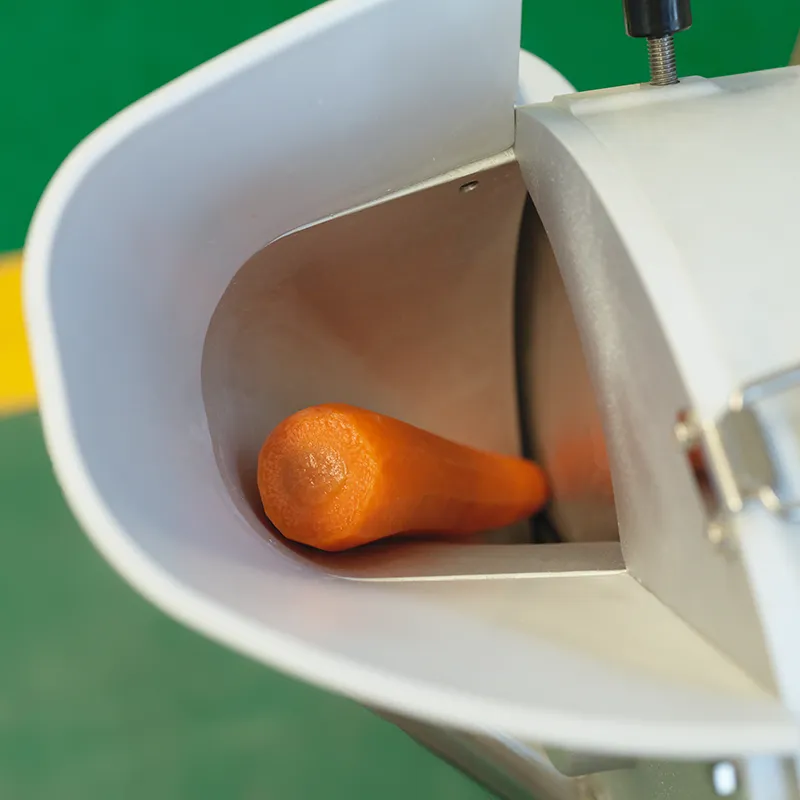
From Prep Bench to Plating: Optimizing Speed Without Sacrificing Consistency
Efficiency starts before the blade engages. Organize vegetables by size and density to batch-process similar items; position collection bins at ergonomic heights to reduce reaching and fatigue. Always use pusher tools—not hands—to feed produce, sustaining both safety and rhythmic throughput.
To keep things moving smoothly in the kitchen, it helps to have those pre-washed veggies right where they can be grabbed quickly, and someone specific assigned just to handling the output. Many kitchens that switch to this kind of assembly line method see their prep times drop by around 30%, all while keeping everything cut consistently. Sharp knives matter a lot too. A blade that's off by even half a millimeter starts making dice look uneven and messes with cooking times. Don't forget to clean equipment thoroughly when switching from one type of veggie to another. Leftover bits from carrots might mix into onions otherwise, creating weird flavors nobody wants on their plate.
When working with manual models, it helps to apply some consistent downward pressure so things don't get jammed while regulating how fast stuff moves through. Electric machines are different though. Those should run on pulse settings when handling delicate stuff such as tomatoes or fresh herbs that can easily get smashed. Getting the output straight to where it needs to go matters a lot. Cooking stations or cold storage areas work best. Skipping those extra transfer steps keeps everything looking good after cutting and makes sure preparation matches up properly with when dishes actually need to be served.
Vegetable Slicer vs. Manual Knife Work: When Tool-Assisted Precision Adds Measurable Value
Skilled chefs can definitely slice vegetables consistently with good knives, but when it comes to large volumes, getting every piece exactly the same size day after day? That's where vegetable slicers really shine. We've seen studies showing that people doing repetitive slicing tasks experience about 65% more fatigue than those using machines. This extra tiredness doesn't just make workers more prone to cuts and injuries, it actually slows down kitchen operations too. The difference is huge when looking at tool assisted systems which keep things within half a millimeter accuracy throughout entire batches. No more worrying about some pieces being too thick while others are paper thin. Human error disappears, so dishes come out looking better, cook more evenly, and restaurants waste less food overall.
The operational return becomes clear when evaluating three core metrics:
- Labor efficiency: Automating repetitive cuts frees 2–3 hours daily per staff member for higher-value tasks like finishing, garnishing, or quality control
- Consistency standards: Identical slice thickness ensures predictable frying times, even baking results, and precise portioning—directly protecting margins
- Safety compliance: Reduced direct blade contact lowers laceration risk by up to 70% versus manual handling, contributing to lower workers’ compensation claims and insurance costs
Uniform vegetables really matter when it comes to what guests see and taste these days. Think about those fancy confit veggies or those super crispy root chip creations that have become so popular lately. Suddenly, getting consistent slices isn't just nice to have anymore but something absolutely needed. Most commercial kitchens going through around 80 kilograms of veggies each week find that spending money on better slicing equipment usually pays off after about half a year. This makes sense for restaurant owners who want to grow their business while keeping quality steady across all their dishes. Plus, having reliable tools helps maintain standards even as staff changes over time, which is something every operator should consider seriously.
FAQ
Q: Why is uniform cutting important in the kitchen?
A: Uniform cutting ensures that food cooks evenly and enhances both flavor and texture. It also streamlines kitchen operations by saving time and improving safety.
Q: What are the key design features of an effective vegetable slicer?
A: Effective slicers feature high-quality blade materials like stainless steel or ceramic, optimized geometry, adjustable guides, and interchangeable blades for versatile use.
Q: How do vegetable slicers improve kitchen efficiency?
A: Slicers reduce prep time and increase safety by minimizing hand work and ensuring consistent results, thus supporting efficient kitchen workflows.
Q: What are the advantages of using a vegetable slicer over manual knife work?
A: Vegetable slicers offer labor efficiency, consistent results, and increased safety by reducing direct blade contact, which also lowers injury risk.
Q: Can investing in a vegetable slicer save money in the long run?
A: Yes, reduced waste and improved efficiency often result in cost savings that offset the initial investment within months for high-volume kitchens.
Table of Contents
- Why Uniform Cuts Matter: The Culinary and Operational Impact of Precision About Vegetable Slicer
- Key Vegetable Slicer Design Features That Deliver Reliable Precision
- Using a Vegetable Slicer Effectively: Techniques, Safety, and Workflow Integration
- Vegetable Slicer vs. Manual Knife Work: When Tool-Assisted Precision Adds Measurable Value
- FAQ