
 EN
EN
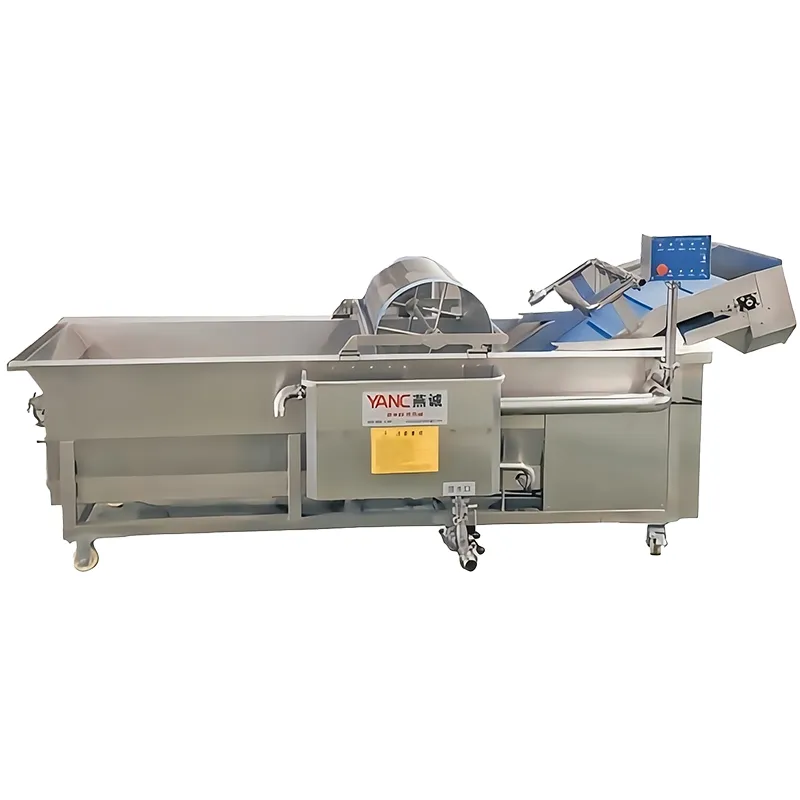
A vegetable washing machine designed for delicate produce can make a significant difference in food processing operations that handle romaine lettuce, bok choy, chives, and cilantro. These are among the most commonly processed leafy greens in commercial kitchens, food factories, and fresh-cut produce facilities, and each one presents its own cleaning challenge. A well-engineered vegetable washing machine addresses those challenges without damaging fragile leaf structures or reducing throughput.
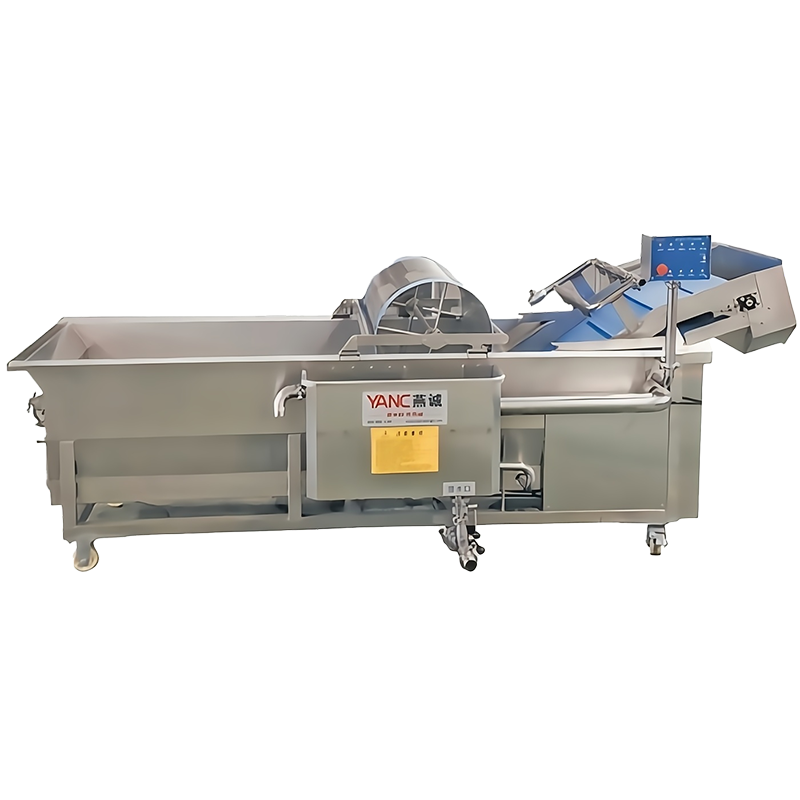
Understanding how a vegetable washing machine performs across these four specific vegetables helps buyers and plant managers select the right equipment with confidence. Romaine has dense layered leaves that trap soil. Bok choy has a thick stem base that holds grit. Chives are thin and easily tangled. Cilantro carries fine stems that mat together under pressure. Each of these characteristics demands that a vegetable washing machine offer adjustable wash intensity, gentle water action, and consistent throughput.
How a Vegetable Washing Machine Handles Different Leaf Types
Romaine and Bok Choy Washing Requirements
Romaine lettuce leaves are layered and wide, which means soil and sand can lodge deep within the leaf base. A vegetable washing machine that uses bubble-generating technology is especially effective here. The bubbling action creates agitation that reaches between leaf layers without applying direct mechanical force. This preserves the structural integrity of romaine while still removing contaminants thoroughly. A quality vegetable washing machine will cycle the produce through a water bath where millions of fine bubbles dislodge debris, after which a spray rinse provides a final clean.
Bok choy presents a different challenge because its stem is thick and dense while its leaves are relatively thin and fragile. A vegetable washing machine must balance water pressure carefully so the stem zone receives enough agitation to release trapped grit while the outer leaves are not torn or bruised. The best approach is a vegetable washing machine with a tiered or adjustable water flow that can handle both zones in a single pass. This makes the vegetable washing machine efficient for high-volume bok choy processing lines where manual re-washing is not practical.
Chives and Cilantro Washing Considerations
Chives are thin, tubular, and prone to tangling in large batches. When processed in a vegetable washing machine, chives need controlled water flow and a conveyor or basket system that prevents clumping. A vegetable washing machine with a floating or mesh-supported feed path keeps chives spread across the washing zone, ensuring every stem receives equal exposure to the cleaning water. Without this design feature, a standard vegetable washing machine may leave interior stems unwashed while exterior ones receive excess agitation.
Cilantro is arguably the most demanding herb for any vegetable washing machine to process. The fine stems and delicate leaf clusters trap pesticide residues and fine sand particles that standard rinsing cannot remove. A vegetable washing machine using a combination of ultrasonic cleaning, ozone treatment, or strong bubble action can break down surface tension and release these fine contaminants. For commercial processors, choosing a vegetable washing machine capable of cilantro-level cleaning means the same machine can handle virtually any other leafy green with ease.
Key Features to Evaluate in a Vegetable Washing Machine
Washing Technology and Water Efficiency
The washing technology inside a vegetable washing machine determines both cleaning quality and operating cost. Bubble-based systems in a vegetable washing machine generate air bubbles that implode gently against produce surfaces, lifting contaminants without mechanical contact. This is ideal for all four vegetables mentioned here. Some models of vegetable washing machine also incorporate spray nozzles positioned above the conveyor belt to deliver a final rinse that removes loosened particles before the produce exits the machine.
Water efficiency is another critical factor. A vegetable washing machine that recirculates and filters wash water can reduce daily consumption significantly compared to open-flow systems. For facilities processing large volumes of romaine, bok choy, chives, and cilantro, a water-efficient vegetable washing machine translates into lower utility costs and a smaller environmental footprint. Look for a vegetable washing machine that includes a sediment collection tray and an easy-drain design to simplify daily maintenance routines.
Throughput Capacity and Build Quality
Commercial operations need a vegetable washing machine that can match their production line speed. Throughput capacity in a vegetable washing machine is typically measured in kilograms per hour and should align with peak processing demand. A vegetable washing machine that slows down a production line creates bottlenecks, while an oversized machine wastes energy and floor space. Matching the vegetable washing machine to actual daily output requirements is essential for operational efficiency.
Build quality in a vegetable washing machine should meet food-grade standards, with all contact surfaces made from stainless steel. A stainless steel vegetable washing machine resists corrosion, tolerates frequent sanitizing cycles, and complies with food safety regulations. The frame construction of a vegetable washing machine should be robust enough to withstand continuous daily operation without developing vibration or alignment issues. Ease of disassembly for cleaning is also a sign of a professionally designed vegetable washing machine.
Operational Benefits Across Processing Facilities
Consistency and Labor Reduction
One of the most practical benefits of a vegetable washing machine is the consistency it delivers. Manual washing of romaine, bok choy, chives, and cilantro produces variable results depending on the worker and the batch size. A vegetable washing machine applies the same wash cycle to every unit of produce, which means food safety outcomes are predictable and auditable. For facilities seeking certification or compliance with food safety standards, a reliable vegetable washing machine supports documentation and process control.
Labor reduction is equally important. A single vegetable washing machine can replace several manual washing stations, freeing workers to focus on higher-value tasks such as trimming, portioning, or packaging. In high-turnover food production environments, a vegetable washing machine reduces dependence on manual labor while maintaining or improving hygiene standards. This makes a vegetable washing machine a strong investment with a measurable return.
Hygiene Standards and Product Shelf Life
Thorough washing in a vegetable washing machine reduces microbial load on produce surfaces, which directly affects shelf life. Romaine, bok choy, chives, and cilantro processed through a high-quality vegetable washing machine arrive at retail or food service with lower bacterial counts and cleaner surfaces. This extends the time the produce remains visually appealing and safe, reducing spoilage losses for distributors and retailers. A vegetable washing machine is therefore not just a cleaning tool but a direct contributor to product quality and commercial value.
FAQ
Can one vegetable washing machine handle all four vegetables in the same session?
Yes, a multifunctional vegetable washing machine is designed to accommodate different produce types. Adjusting water flow and conveyor speed allows the same vegetable washing machine to switch between romaine, bok choy, chives, and cilantro without major reconfiguration. Many commercial models include programmable wash cycles that optimize settings for each vegetable type.
How often does a vegetable washing machine need maintenance?
A vegetable washing machine used in daily commercial operations should be cleaned and inspected at the end of each shift. Sediment trays and filters inside the vegetable washing machine should be emptied regularly to prevent buildup. A thorough deep cleaning of the vegetable washing machine should be performed weekly or according to the manufacturer's schedule to maintain hygiene compliance.
What is the typical throughput of a commercial vegetable washing machine?
Commercial vegetable washing machine models vary in capacity, but mid-range units typically process between 300 and 1500 kilograms of produce per hour. The right vegetable washing machine for your operation depends on daily volume, vegetable type, and available floor space. Consulting with the equipment supplier helps match the correct vegetable washing machine specification to your production needs.