
 EN
EN
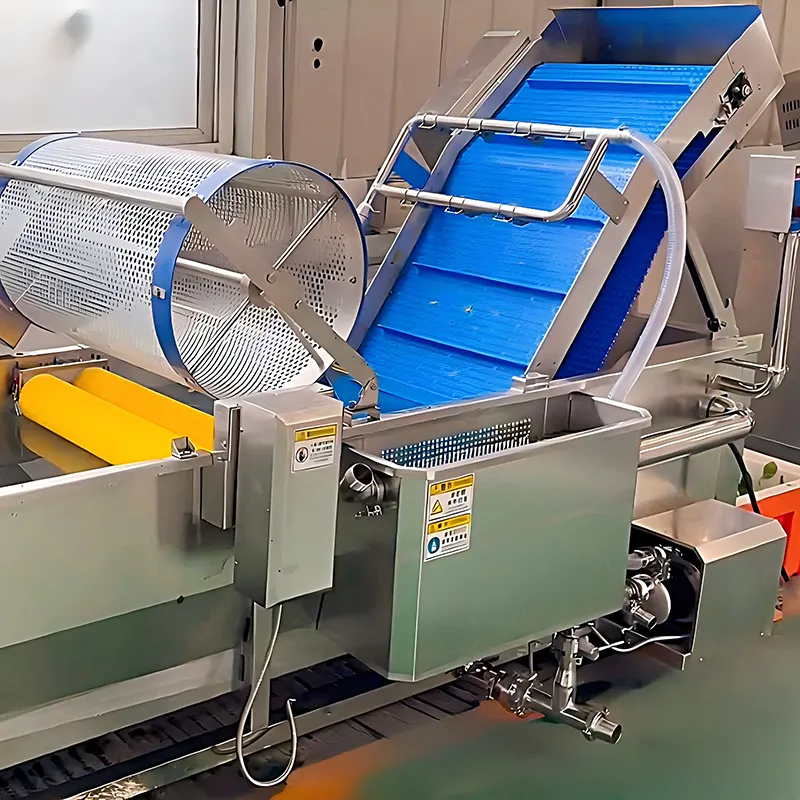
Central kitchens and food processing factories face mounting pressure to deliver safe, clean produce at scale while maintaining operational efficiency. A commercial vegetable washing machine addresses these challenges by automating the critical cleaning process, reducing labor costs, and ensuring consistent sanitation standards. Unlike manual washing methods, a commercial vegetable washing machine provides controlled water flow, optimized cleaning cycles, and food-grade materials that meet health and safety regulations across industrial operations.
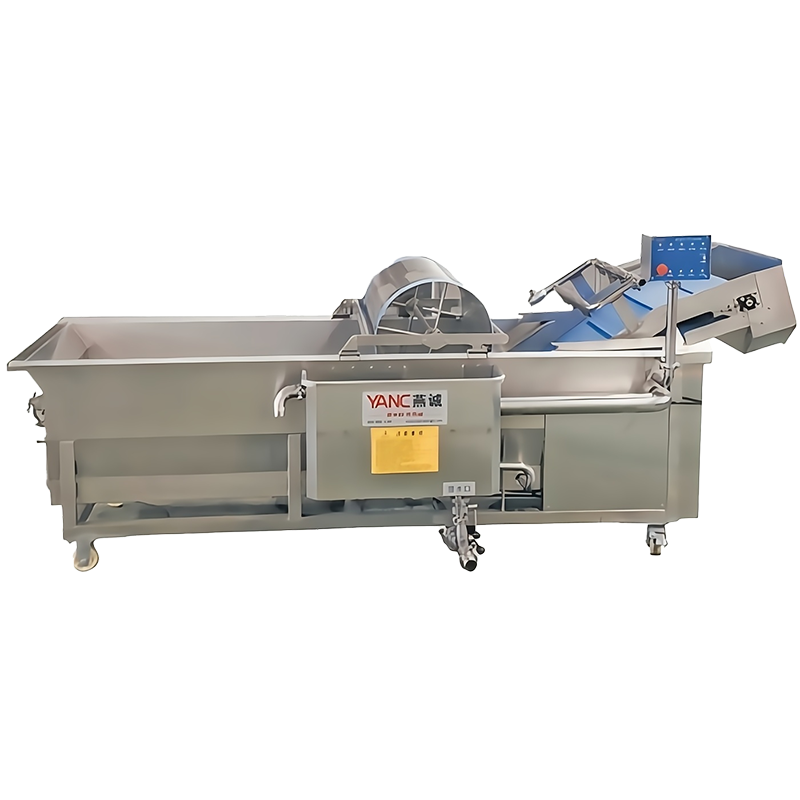
For operations processing hundreds of kilograms daily, investing in a commercial vegetable washing machine transforms production workflows. This equipment handles diverse produce types from leafy greens to root vegetables, offering adjustable washing intensity and water recycling capabilities. Understanding how a commercial vegetable washing machine integrates into central kitchen and factory environments helps procurement teams select systems that align with throughput requirements, space constraints, and quality control protocols.
Core Functions and Operating Mechanisms
Multi-Stage Cleaning Technology
A commercial vegetable washing machine typically employs bubble washing, surfing washing, and spray rinsing stages to remove soil, pesticide residues, and microbial contamination. The bubble washing phase uses air injection to create turbulent water flow that lifts debris from produce surfaces without causing mechanical damage. A commercial vegetable washing machine designed for central kitchens incorporates adjustable bubble intensity, allowing operators to customize cleaning force based on vegetable hardness and contamination levels.
The surfing wash mechanism in a commercial vegetable washing machine generates wave-like water movement that tumbles vegetables gently, ensuring all surfaces contact the cleaning solution. This stage proves particularly effective for irregularly shaped produce like broccoli or cauliflower where soil hides in crevices. Factory-grade commercial vegetable washing machine models integrate this surfing action with automated conveyor systems, maintaining continuous throughput while preserving product integrity.
Water Circulation and Filtration Systems
Advanced commercial vegetable washing machine units feature closed-loop water systems that filter and recirculate wash water, reducing consumption by up to 70 percent compared to flow-through designs. The filtration subsystem in a commercial vegetable washing machine removes suspended solids through mesh screens and settling tanks, while UV sterilization units control microbial load in recirculated water. For operations processing 500 to 2000 kilograms per hour, this water efficiency in a commercial vegetable washing machine translates to significant utility cost savings and environmental compliance benefits.
Temperature control represents another critical function in a commercial vegetable washing machine. Cold water washing preserves vegetable crispness and extends shelf life, while warm water enhances removal of waxy coatings and pesticide films. A properly specified commercial vegetable washing machine allows temperature adjustment between 10 and 40 degrees Celsius, accommodating different produce requirements and seasonal variations in incoming product condition.
Application Scenarios in Central Kitchens and Factories
Central Kitchen Integration Requirements
Central kitchens supplying restaurant chains, catering services, or institutional food programs require a commercial vegetable washing machine that synchronizes with downstream preparation equipment. The washing machine must match the production line speed, typically processing 300 to 800 kilograms per hour depending on menu complexity and service volume. A commercial vegetable washing machine in this environment needs quick-drain features and sanitary construction that supports rapid changeover between different vegetable types to prevent cross-contamination.
Space utilization becomes critical when installing a commercial vegetable washing machine in existing central kitchen facilities. Compact models with vertical washing chambers and integrated drip trays fit within tight floor plans, while larger operations benefit from inline commercial vegetable washing machine systems with extended conveyor sections. The machine footprint must allow maintenance access, with removable panels and hinged covers that facilitate daily cleaning and component inspection without disrupting adjacent workstations.
Factory-Scale Processing Considerations
Food processing factories manufacturing pre-cut salads, frozen vegetables, or ready-to-eat meal components demand a commercial vegetable washing machine with higher throughput capacity and automation integration. These industrial commercial vegetable washing machine installations often process 1000 to 3000 kilograms per hour, requiring robust construction, variable speed drives, and PLC control systems that interface with upstream grading equipment and downstream cutting or blanching machinery.
Sanitation protocols in factory settings impose stricter material requirements on a commercial vegetable washing machine. Food-grade stainless steel construction, typically 304 or 316 grade, ensures corrosion resistance and cleanability. A factory-oriented commercial vegetable washing machine incorporates CIP connections for automated cleaning cycles, reducing manual labor and ensuring consistent sanitation between production runs. Validation documentation from the commercial vegetable washing machine manufacturer supports HACCP compliance and third-party food safety audits.
Selection Criteria and Performance Optimization
Capacity Matching and Throughput Planning
Selecting an appropriately sized commercial vegetable washing machine begins with analyzing peak processing volumes and batch schedules. Undersized equipment creates production bottlenecks, while oversized commercial vegetable washing machine installations waste energy and water during low-volume periods. Operators should calculate hourly throughput requirements accounting for wash cycle duration, typically 3 to 8 minutes per batch depending on soil load and vegetable type.
A commercial vegetable washing machine with adjustable belt speed or variable cycle timing provides operational flexibility. During harvest seasons when incoming produce carries heavier soil loads, extended wash cycles in the commercial vegetable washing machine ensure adequate cleaning without quality compromise. Conversely, lighter summer crops allow faster processing, maximizing the commercial vegetable washing machine utilization and reducing energy consumption per kilogram processed.
Maintenance Accessibility and Operating Costs
Long-term performance of a commercial vegetable washing machine depends on routine maintenance accessibility. Models with tool-free filter removal, hinged inspection doors, and color-coded service points reduce downtime and maintenance labor costs. The commercial vegetable washing machine should include wear indicators for belts, bearings, and seals, allowing predictive replacement before failures disrupt production schedules.
Energy efficiency metrics matter when evaluating commercial vegetable washing machine options. Look for units with high-efficiency motors, optimized pump sizing, and insulated water tanks that minimize heat loss. A commercial vegetable washing machine consuming 3 to 5 kilowatts per hour offers better operating economics than legacy designs requiring 8 to 12 kilowatts for equivalent throughput. Over a five-year service life, this efficiency difference in a commercial vegetable washing machine can offset 20 to 30 percent of initial equipment cost through reduced utility expenses.
FAQ
What capacity commercial vegetable washing machine suits a central kitchen serving 2000 meals daily?
A central kitchen serving 2000 meals daily typically requires a commercial vegetable washing machine with 400 to 600 kilogram per hour capacity, assuming vegetables constitute 30 percent of meal components. This throughput in a commercial vegetable washing machine allows processing 120 to 180 kilograms during a 3-hour preparation window, with buffer capacity for menu variations and peak service periods.
How does a commercial vegetable washing machine reduce labor costs compared to manual washing?
A commercial vegetable washing machine eliminates 2 to 3 full-time washing positions in facilities processing 500 kilograms daily, reducing labor costs by approximately 60 to 75 percent for the cleaning operation. The commercial vegetable washing machine also improves consistency, reducing rewash rates from 15 to 20 percent in manual systems down to 2 to 3 percent, further enhancing labor productivity across the production line.
Can a commercial vegetable washing machine handle delicate leafy greens without damage?
Modern commercial vegetable washing machine designs include variable intensity controls and gentle handling features specifically for delicate produce. By adjusting bubble intensity and belt speed, the commercial vegetable washing machine processes spinach, lettuce, and herbs with less than 1 percent mechanical damage, comparable to careful manual washing while maintaining higher throughput and consistent cleaning quality.