
 EN
EN
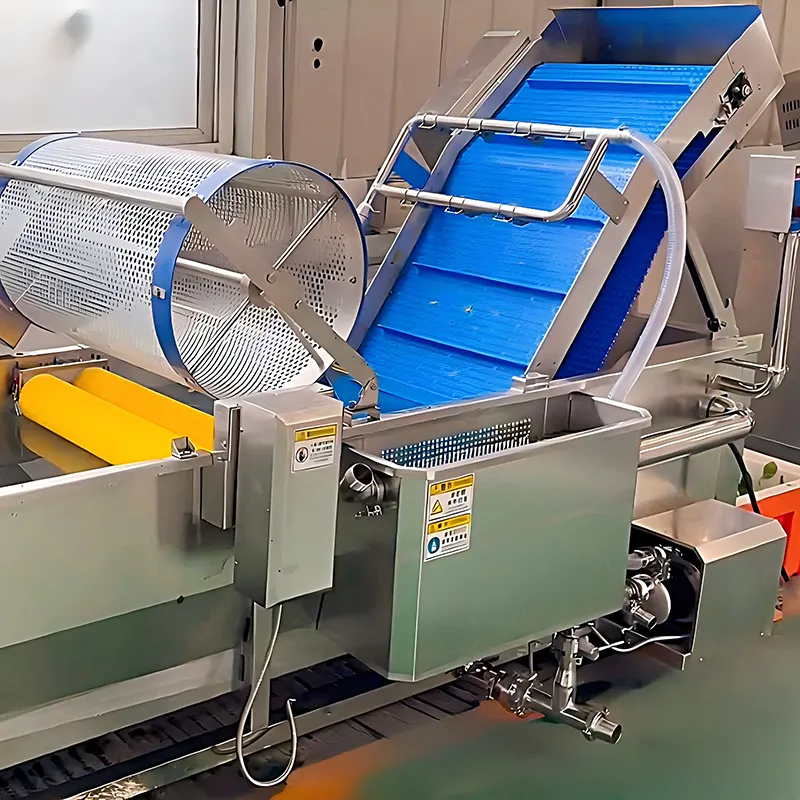
Modern food processing facilities face increasing pressure to deliver consistently clean produce while maintaining efficiency and food safety standards. A vegetable washing machine with spray rinse represents a critical advancement in commercial cleaning technology, combining multiple cleaning mechanisms to remove soil, pesticides, microbial contaminants, and surface residues from fresh vegetables. This integrated approach addresses the limitations of single-stage washing systems by incorporating bubble cleaning, high-pressure spray rinse, and controlled water circulation to achieve thorough cleaning results across diverse vegetable types and contamination levels.
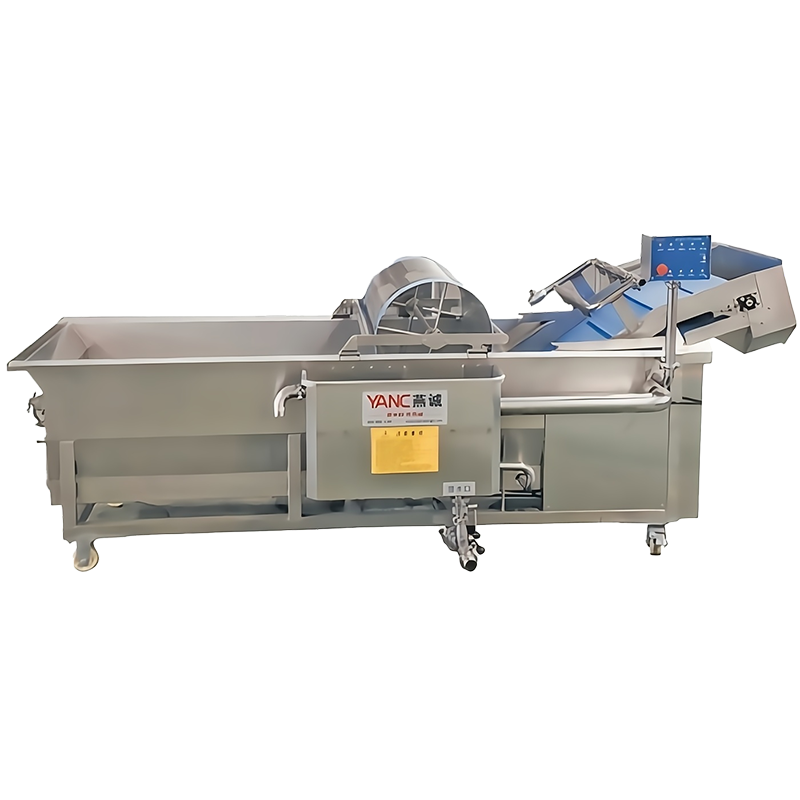
Understanding how a vegetable washing machine with spray rinse operates requires examining the synergy between its component systems. The spray rinse stage serves as the final critical step that removes loosened particles and residual cleaning agents, ensuring vegetables emerge clean, fresh, and ready for further processing or packaging. This comprehensive cleaning solution has become essential for processors handling leafy greens, root vegetables, and delicate produce that demand both gentle handling and aggressive contaminant removal.
How the Spray Rinse System Enhances Cleaning Performance
Multi-Stage Cleaning Architecture
The vegetable washing machine with spray rinse employs a sequential cleaning process where each stage addresses specific contamination challenges. The initial bubble washing phase uses air injection to create turbulent water movement that lifts soil particles and debris from vegetable surfaces. This agitation stage is particularly effective for removing heavy soil loads from root vegetables like carrots, potatoes, and radishes. Following bubble washing, the vegetable washing machine with spray rinse transitions produce through a high-pressure water jet zone where targeted spray nozzles deliver concentrated streams that penetrate crevices and surface irregularities.
The spray rinse system in a vegetable washing machine with spray rinse operates with precisely calibrated water pressure and flow rates to maximize particle removal without causing physical damage to delicate produce. Multiple spray bars positioned above the conveyor belt deliver overlapping coverage patterns, ensuring every vegetable surface receives thorough rinsing. The vegetable washing machine with spray rinse maintains consistent spray angles and nozzle spacing to eliminate blind spots where contaminants might escape cleaning. This systematic approach makes the vegetable washing machine with spray rinse significantly more effective than simple immersion washing methods.
Water Quality and Circulation Management
Effective operation of a vegetable washing machine with spray rinse depends on maintaining clean rinse water throughout production cycles. Advanced systems incorporate continuous water filtration and replacement protocols that prevent recontamination during the spray rinse stage. The vegetable washing machine with spray rinse typically features separate water circuits for bubble washing and spray rinsing, allowing operators to optimize water quality for each cleaning phase. Fresh water feeds the spray rinse section while filtered water recirculates through the bubble washing zone, balancing water conservation with hygiene requirements.
The vegetable washing machine with spray rinse design includes sediment collection systems that capture removed soil and organic matter before it can redeposit on clean vegetables. Overflow weirs and drain channels direct contaminated water away from the rinse zone, maintaining the cleanliness differential between washing and rinsing stages. Temperature control in the vegetable washing machine with spray rinse affects both cleaning efficacy and vegetable quality, with most systems operating between 10 and 15 degrees Celsius to remove contaminants without damaging temperature-sensitive produce.
Operational Advantages for Different Vegetable Categories
Leafy Greens and Delicate Vegetables
Processing leafy vegetables like lettuce, spinach, and cabbage requires a vegetable washing machine with spray rinse that balances thorough cleaning with gentle handling. The spray rinse function proves especially valuable for these products because it removes soil particles trapped in leaf folds and stem attachments without the aggressive tumbling that damages delicate tissues. The vegetable washing machine with spray rinse achieves this through adjustable spray pressure settings that operators can modify based on product fragility and contamination levels.
The vegetable washing machine with spray rinse configuration for leafy greens typically includes wider conveyor belts and reduced transport speeds to allow extended rinse exposure time. Multiple spray rinse zones within the vegetable washing machine with spray rinse system enable progressive cleaning where initial sprays remove bulk contamination while final sprays provide polishing rinses. This staged approach makes the vegetable washing machine with spray rinse particularly effective for organic produce where visible soil removal directly impacts consumer perception and market value.
Root Vegetables and Heavily Soiled Produce
Root vegetables present different challenges that the vegetable washing machine with spray rinse addresses through higher spray pressures and extended washing cycles. Carrots, potatoes, beets, and similar products often carry significant soil loads that require aggressive initial cleaning before spray rinsing becomes effective. The vegetable washing machine with spray rinse handles these products by combining vigorous bubble washing with high-pressure spray rinse jets that reach 2 to 4 bar pressure, sufficient to dislodge embedded soil without damaging vegetable skins.
The vegetable washing machine with spray rinse design for root vegetables incorporates rotating spray nozzles or oscillating spray bars that vary the angle of water impact across the conveyor width. This movement pattern ensures complete coverage of irregularly shaped vegetables as they tumble through the spray rinse zone. The vegetable washing machine with spray rinse also features reinforced conveyors and impact-resistant surfaces to withstand the weight and abrasiveness of root vegetable processing, extending equipment service life while maintaining consistent cleaning performance.
Integration with Processing Lines and Quality Control
Throughput Capacity and Production Efficiency
The vegetable washing machine with spray rinse influences overall processing line efficiency through its throughput capacity and cycle time requirements. Commercial models process between 500 and 3000 kilograms per hour depending on machine size and vegetable type, with the spray rinse stage adding minimal time to total washing cycles. The vegetable washing machine with spray rinse achieves this efficiency through continuous belt operation that allows steady product flow rather than batch processing interruptions.
Operators can optimize vegetable washing machine with spray rinse performance by matching belt speed to product contamination levels and cleaning requirements. Slower speeds increase spray rinse exposure time for heavily soiled vegetables while faster speeds maintain throughput for pre-cleaned or lightly contaminated products. The vegetable washing machine with spray rinse typically includes variable frequency drives that enable precise speed adjustment without stopping production, allowing real-time optimization based on incoming product quality.
Quality Verification and Contamination Monitoring
Modern vegetable washing machine with spray rinse systems incorporate inspection zones immediately following the rinse stage where operators or automated vision systems verify cleaning effectiveness. This quality control integration ensures the vegetable washing machine with spray rinse meets food safety standards and customer specifications before products advance to cutting, blanching, or packaging operations. Visual inspection of spray-rinsed vegetables provides immediate feedback on machine performance and indicates when maintenance or adjustment is required.
The vegetable washing machine with spray rinse contributes to microbial load reduction through both mechanical particle removal and dilution of surface contaminants. While the vegetable washing machine with spray rinse alone does not sterilize vegetables, it significantly reduces total bacterial counts when combined with proper water sanitation protocols. Many processors integrate the vegetable washing machine with spray rinse into comprehensive HACCP plans where washing represents a critical control point for pathogen reduction.
FAQ
What makes the spray rinse stage essential in vegetable washing machines?
The spray rinse stage in a vegetable washing machine with spray rinse serves as the final contamination removal step that eliminates particles loosened during bubble washing but not fully removed from vegetable surfaces. High-pressure water jets in the vegetable washing machine with spray rinse penetrate surface irregularities and crevices where soil and debris accumulate, achieving cleanliness levels unattainable through immersion washing alone. The spray rinse also removes residual cleaning agents and suspended particles from the washing water, ensuring vegetables emerge genuinely clean rather than simply redistributing contaminants across surfaces.
How does water consumption compare between vegetable washing machines with and without spray rinse systems?
A vegetable washing machine with spray rinse typically consumes 20 to 40 percent more water than simple immersion washers due to the continuous fresh water supply required for effective rinsing. However, the vegetable washing machine with spray rinse achieves superior cleaning results that reduce downstream processing costs and product losses from inadequate cleaning. Many vegetable washing machine with spray rinse models incorporate water recirculation and filtration systems that partially offset increased consumption by reusing water for initial washing stages while reserving fresh water exclusively for the spray rinse function.
Can the spray pressure in a vegetable washing machine with spray rinse damage delicate vegetables?
The vegetable washing machine with spray rinse includes adjustable pressure controls specifically to prevent damage to delicate produce while maintaining effective cleaning. Operators configure spray pressure based on vegetable type, with settings ranging from 1 bar for leafy greens to 4 bar for robust root vegetables. Proper setup of the vegetable washing machine with spray rinse matches spray intensity to product characteristics, and well-designed systems incorporate pressure regulation that maintains consistent cleaning action without subjecting vegetables to excessive force that could cause bruising, splitting, or surface damage.