Building a Central Kitchen: Equipment Configuration Is the First Key Step
Equipment configuration is one of the most important parts of central kitchen planning. Too few machines may limit production capacity, while too many may increase unnecessary investment costs.
More importantly, different sizes of central kitchens require very different equipment solutions. Small central kitchens focus on functional coverage and space saving. Medium-sized kitchens focus on production line connection and workflow efficiency. Large central kitchens focus on system layout and full production coordination.
So, how do you decide which type of central kitchen solution is right for your project?
1. How to Identify Your Central Kitchen Scale
Central kitchens are usually divided into three categories based on daily meal production capacity.
Daily output: less than 1,000 meals. This type is suitable for start-up restaurant chains or single-store operations. Because of limited space and budget, the main goal is to achieve multiple functions with compact equipment.
Medium-sized Central Kitchen
Daily output: 1,000–5,000 meals. This type is commonly used for regional restaurant chains, school cafeterias, and catering companies. The main focus is improving efficiency and ensuring smooth production flow between different processing stages.
Daily output: more than 5,000 meals. At this level, the central kitchen operates more like a standardized food processing factory. The key focus becomes system planning, area division, and full production line coordination.
2. How to Choose the Right Equipment Configuration
(1)Small Central Kitchen: Multi-function Equipment for Flexible Production
For small central kitchens, the priority is to complete core processing tasks with limited equipment and space.
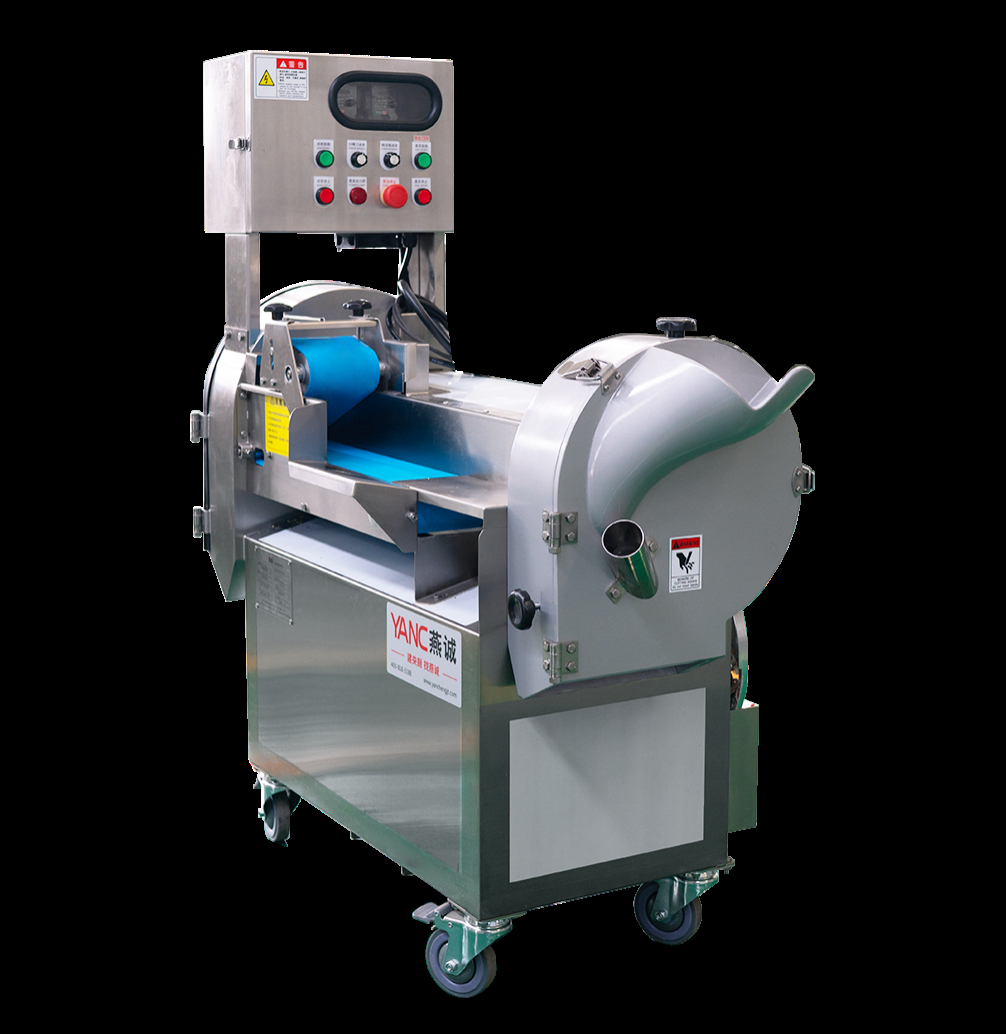
Instead of purchasing many separate machines, choosing multi-function equipment is often more cost-effective. For example, one automatic vegetable cutter can process both leafy vegetables and root vegetables, while one cooking kettle can handle both cooking and frying tasks. At the same time, the production layout should leave room for future expansion and equipment upgrades.
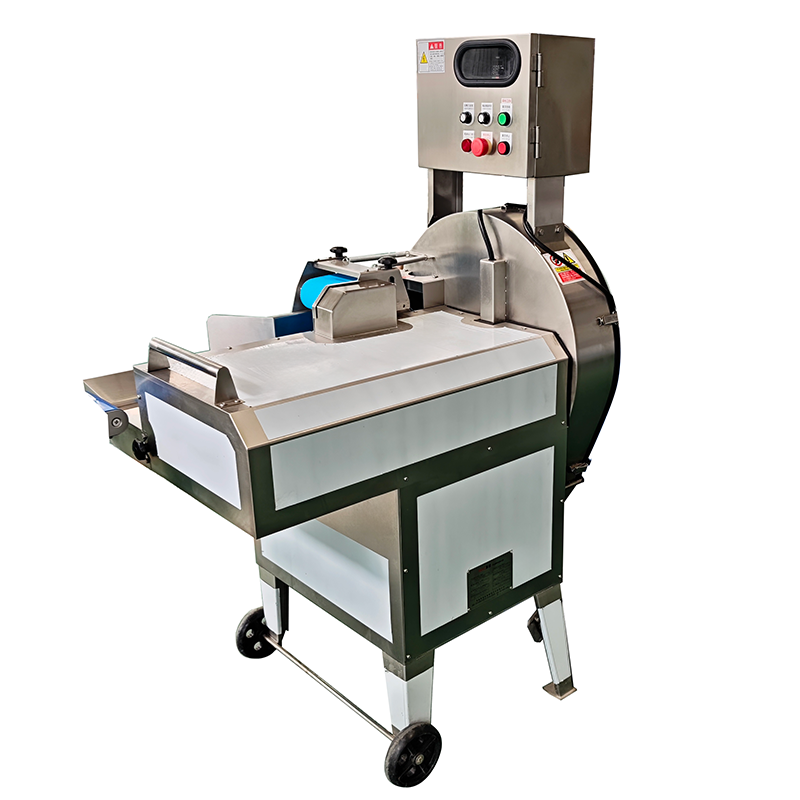
a. Our TW-750 Multi-function Vegetable Cutting Machine features a compact structure and integrated functions. It can process leafy vegetables and root vegetables while supporting slicing, shredding, and dicing functions.
As a practical commercial vegetable cutter and industrial vegetable cutting machine, it helps save space while keeping investment costs under control.
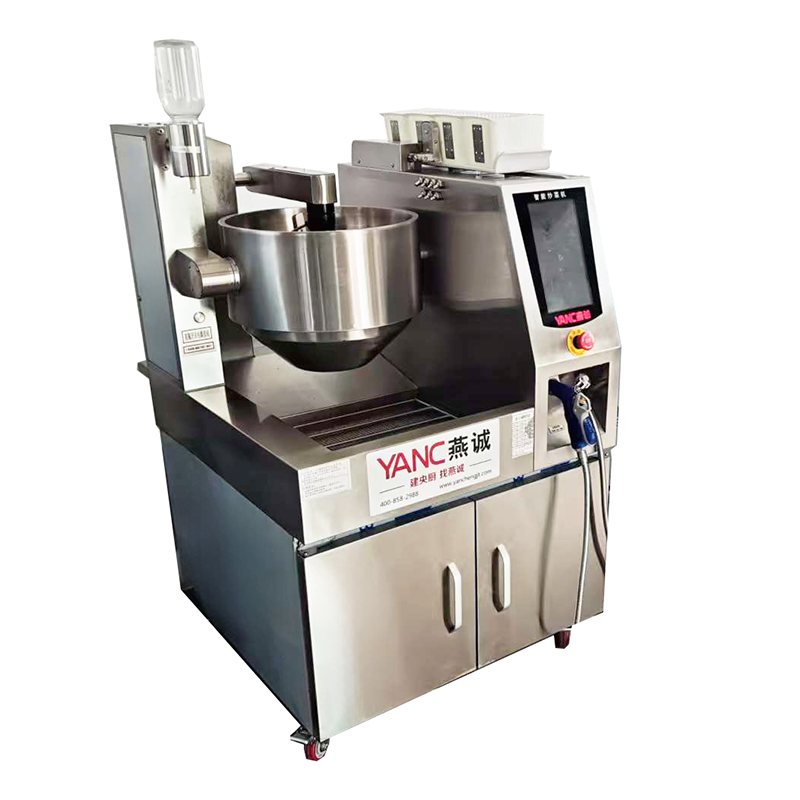
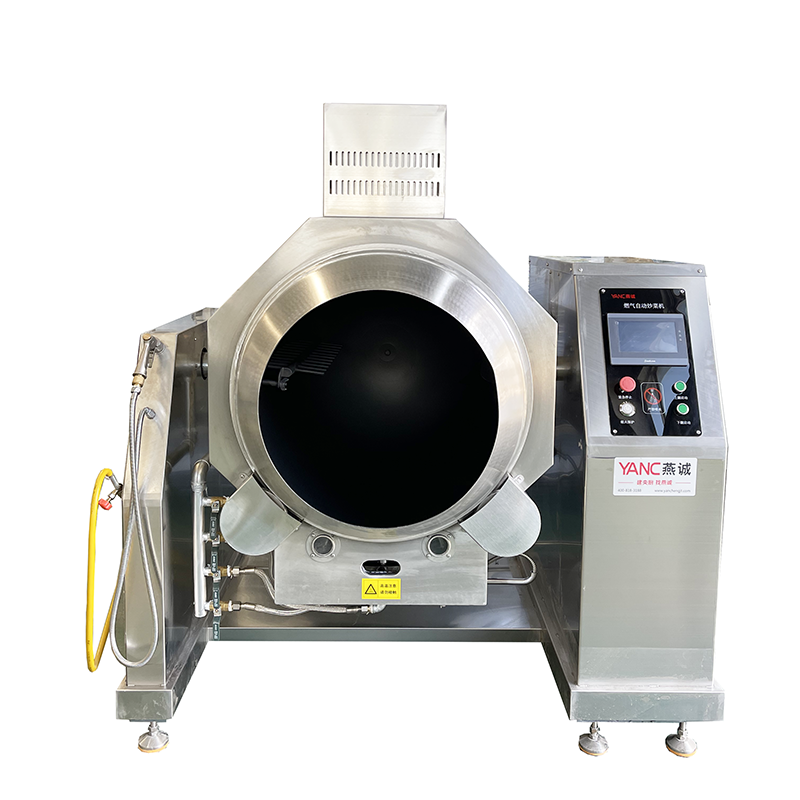
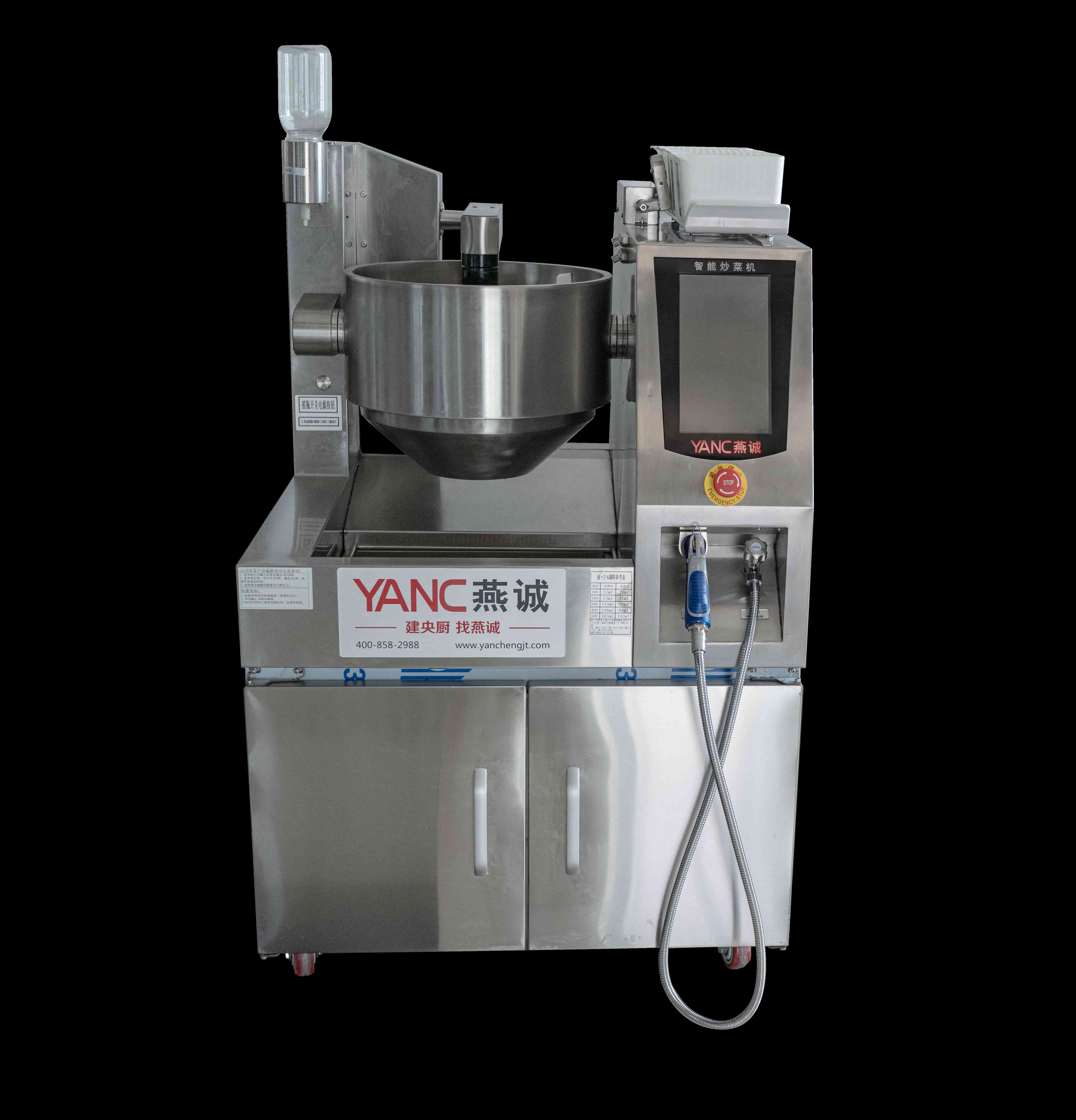
b. Our YC-H-EAC40T Automatic Cooking Machine features recipe storage, automatic ingredient feeding, and flexible cooking functions for different dishes. Its compact design makes it suitable for small and medium-sized central kitchens.
(2)Medium-sized Central Kitchen: Connected Production Lines for Better Workflow
As production capacity increases, using independent machines may create bottlenecks in the workflow. The key to equipment selection is ensuring smooth material transfer between each processing stage.
For vegetable processing, washing, cutting, and dehydrating should work together as one continuous process. Conveyor systems can replace manual transportation to improve efficiency and reduce labor costs.
Our vegetable processing production line supports the complete processing workflow and can be flexibly adjusted according to production requirements.
Multiple machines such as commercial vegetable slicers, vegetable dicing machines, and vegetable shredder machines can be connected through conveyor systems to improve production efficiency and reduce manual handling.
(3)Large Central Kitchen: Systematic Layout and Full Production Coordination
For large-scale projects, a central kitchen becomes a standardized food processing base. Equipment planning should focus on the overall production system instead of individual machines.
Different processing areas such as vegetable processing, meat processing, cooking, and staple food production should be arranged separately while remaining connected through a complete logistics and conveyor system.
At the same time, future expansion space should be reserved for packaging, freezing, and other extended production needs.
Complete Central Kitchen & Food Processing Solutions
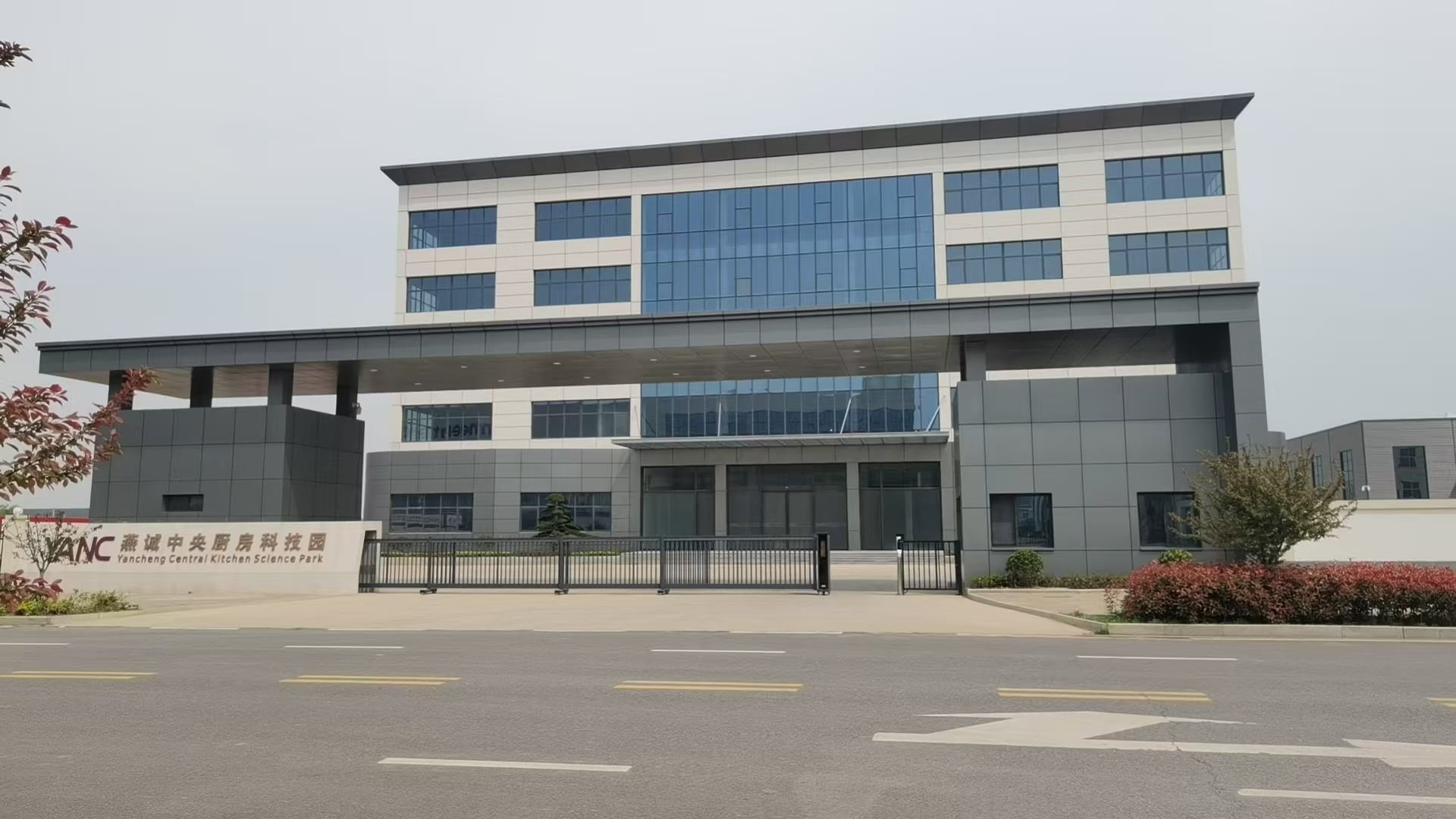
Yanc specializes in complete central kitchen and food processing solutions, providing full support from process planning and equipment selection to project installation and after-sales service.
Our product range covers:
a.vegetable processing equipment
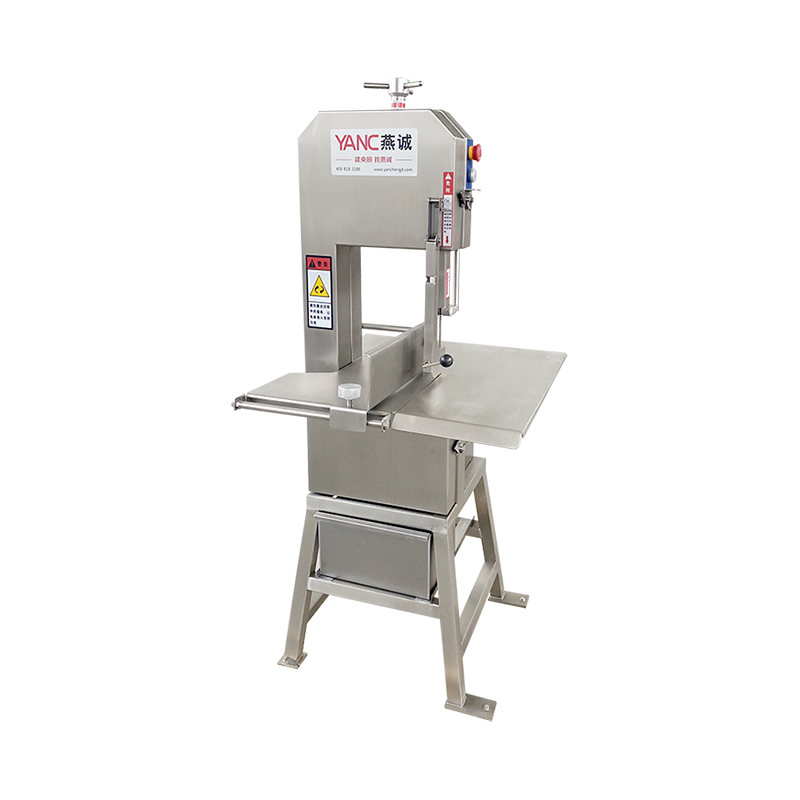
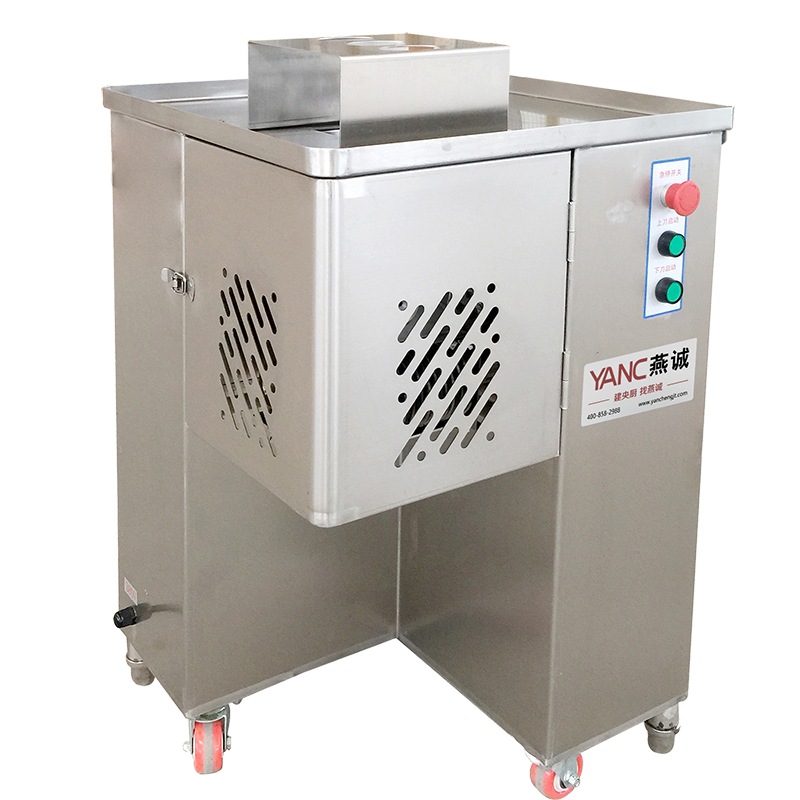
b.meat processing equipment
c.cooking processing equipment
d.rice cooking and steaming systems
e.packaging and inspection equipment
f.cleaning and sterilizing equipment
We can provide complete turnkey project solutions or customized equipment according to customer requirements.
If you are planning a new food factory or upgrading an existing production line, welcome to contact us for professional equipment solutions.


 Hot News
 EN
EN